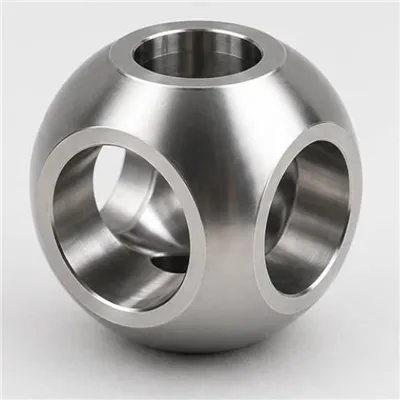
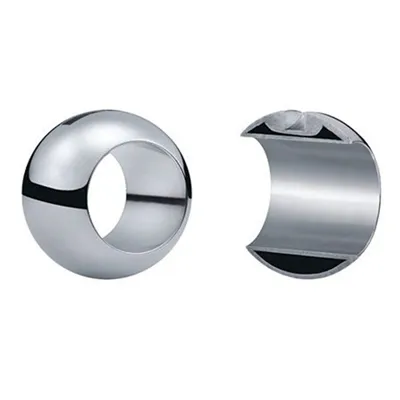
Hey there! I'm a supplier of Valve Seat, and today I'm gonna talk about the tools you need to install a valve seat. Whether you're a professional mechanic or a DIY enthusiast, having the right tools is crucial for a successful valve seat installation.
1. Valve Seat Cutter Set
One of the most important tools for valve seat installation is a valve seat cutter set. This set typically includes cutters of different sizes and angles to match the specifications of your Valve Seat. The cutters are used to machine the valve seat surface to the correct shape and finish. You can choose from single - angle, multi - angle, or adjustable cutters depending on your needs.
A good quality cutter set will ensure a precise and smooth surface on the valve seat, which is essential for proper valve sealing. It's important to select a cutter set that is made from high - quality materials to withstand the cutting forces and provide long - lasting performance.
2. Valve Seat Installer
A valve seat installer is used to press the new valve seat into the Valve Body. This tool is designed to apply even pressure to the valve seat, ensuring a proper fit. There are different types of valve seat installers available, including hydraulic and mechanical ones.
Hydraulic installers are more powerful and can provide a consistent and controlled force, which is great for larger or more difficult - to - install valve seats. Mechanical installers, on the other hand, are more affordable and easier to use for smaller projects.
3. Valve Spring Compressor
When installing a valve seat, you'll need to remove and reinstall the valve springs. A valve spring compressor is used to compress the valve springs, allowing you to remove and replace the valves and valve seats. This tool is essential for accessing the valve seat area and making the necessary repairs or replacements.
There are different styles of valve spring compressors, such as the over - the - head type and the in - block type. The over - the - head type is more commonly used and is suitable for most engines. It's important to choose a compressor that is compatible with your engine's valve spring size and design.
4. Micrometer and Dial Indicator
To ensure that the valve seat is installed correctly, you'll need to measure the valve seat dimensions. A micrometer is used to measure the diameter of the valve seat, while a dial indicator can be used to measure the runout and concentricity of the valve seat.
Accurate measurements are crucial for proper valve seat installation. If the valve seat dimensions are not within the specified tolerances, it can lead to poor valve sealing, reduced engine performance, and even engine damage.
5. Torque Wrench
A torque wrench is used to tighten the valve seat and other components to the correct torque specification. Over - tightening or under - tightening the valve seat can cause problems such as leaks or premature wear.
It's important to follow the manufacturer's torque specifications when installing the valve seat. A torque wrench allows you to apply the exact amount of force required, ensuring a secure and proper installation.
6. Deburring Tools
Deburring tools are used to remove any burrs or sharp edges from the valve seat and valve body. Burrs can cause problems with valve sealing and can also damage the valve.
There are different types of deburring tools available, such as hand files, deburring blades, and power deburring tools. Using a deburring tool will help to ensure a smooth and clean surface on the valve seat and valve body, which is essential for proper valve operation.
7. Cleaning Supplies
Before installing a new valve seat, it's important to clean the valve body and valve seat area thoroughly. You'll need cleaning supplies such as degreasers, solvents, and brushes to remove any dirt, oil, or debris.
Cleaning the valve body and valve seat area will help to ensure a proper fit and prevent any contaminants from interfering with the valve seat installation. It's also a good idea to use a lint - free cloth to dry the area after cleaning.
8. Safety Equipment
When working on valve seat installation, it's important to wear the appropriate safety equipment. This includes safety glasses to protect your eyes from flying debris, gloves to protect your hands from sharp edges and chemicals, and a dust mask to protect your lungs from dust and fumes.
Safety should always be your top priority when working on any automotive project. Make sure you have the necessary safety equipment and use it properly.


Now that you know what tools are needed to install a valve seat, you might be wondering where to get high - quality Valve Seat products. Well, that's where I come in! As a trusted Valve Seat supplier, I offer a wide range of valve seats that are designed to meet the highest quality standards.
If you're interested in purchasing valve seats or have any questions about valve seat installation, feel free to reach out to me. I'm here to help you with all your valve seat needs. Whether you're a professional mechanic looking for bulk orders or a DIYer working on a small project, I've got you covered.
Don't hesitate to contact me for more information or to discuss your specific requirements. I'm confident that I can provide you with the right valve seats and support to ensure a successful valve seat installation.
References
- Automotive Repair Manuals
- Valve Seat Manufacturer's Guides
- Industry - specific Technical Publications