Valve balls with handles are crucial components in a wide range of industries, from plumbing to industrial manufacturing. As a supplier of valve balls with handles, I often get asked about their lifespan. In this blog post, I'll delve into the factors that affect the longevity of these valve balls and provide some insights on how to maximize their service life.
Factors Affecting the Lifespan of Valve Balls with Handles
Material Quality
The material used to manufacture the valve ball is one of the most significant factors influencing its lifespan. Common materials for valve balls include stainless steel, brass, and plastic. Stainless steel is known for its excellent corrosion resistance and durability, making it a popular choice for applications where the valve will be exposed to harsh chemicals or high temperatures. Brass is also a durable material, but it may be more susceptible to corrosion in certain environments. Plastic valve balls are lightweight and cost - effective, but they may not be as durable as metal ones, especially in high - pressure or high - temperature applications.
For example, in a chemical processing plant where the valve is exposed to corrosive chemicals, a stainless - steel valve ball would be a better choice than a brass or plastic one. The high - quality stainless steel can withstand the chemical attack and maintain its integrity over a longer period.
Operating Conditions
The conditions under which the valve ball operates play a crucial role in determining its lifespan. Factors such as pressure, temperature, and the type of fluid or gas flowing through the valve can all have an impact. High - pressure applications can put a lot of stress on the valve ball, potentially leading to deformation or cracking over time. Similarly, extreme temperatures can cause the material to expand or contract, which may also affect the valve's performance.
For instance, in a steam system where the temperature can reach several hundred degrees Celsius, the valve ball needs to be able to withstand the thermal stress. If the valve is not designed for such high temperatures, it may fail prematurely.
Frequency of Use
How often the valve is used also affects its lifespan. A valve that is opened and closed frequently will experience more wear and tear compared to one that is used less often. Each time the valve is operated, there is friction between the valve ball and the seat, which can gradually erode the surfaces. In industrial settings where valves are used continuously, proper maintenance and regular inspections are essential to ensure their long - term performance.
Types of Valve Balls and Their Lifespan
Hollow Valve Ball
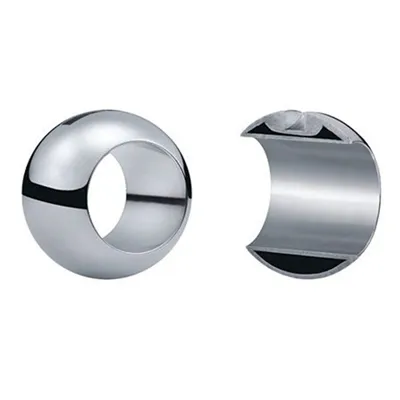
Hollow valve balls, such as those described on the Hollow Valve Ball page, are often used in applications where weight is a concern. They are typically lighter than solid valve balls, which can be an advantage in some systems. However, the hollow design may make them more susceptible to damage if they are subjected to high - pressure or impact forces. The lifespan of a hollow valve ball can vary depending on the material and the operating conditions, but with proper use and maintenance, they can last for several years.
Fixed Valve Ball
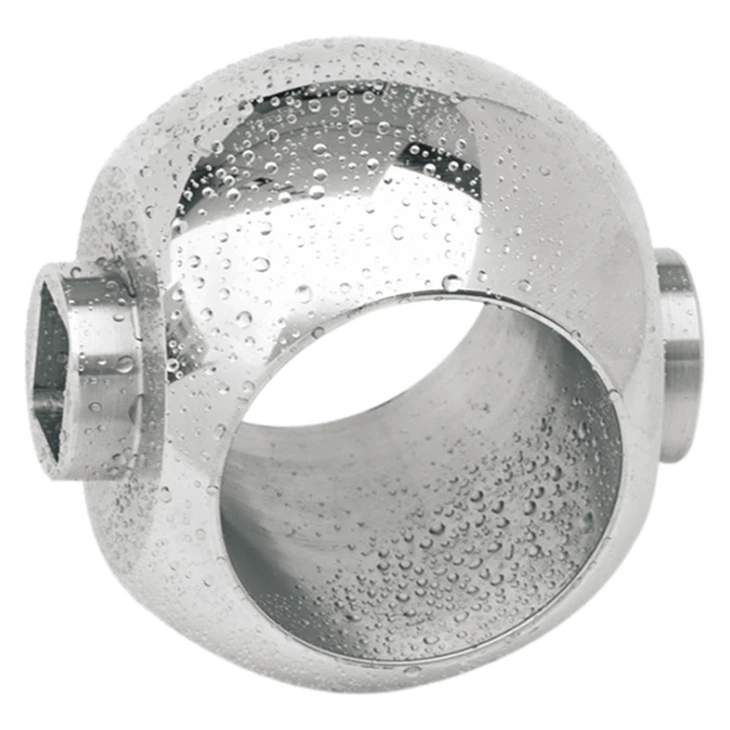
Fixed valve balls, as detailed on the Fixed Valve Ball page, are designed to be stationary within the valve body. They are commonly used in applications where precise control of the flow is required. Fixed valve balls are generally more durable than some other types, as they are less likely to experience excessive movement and wear. With good material quality and appropriate operating conditions, a fixed valve ball can have a long service life, often lasting for decades in some industrial applications.
Three - way Valve Ball
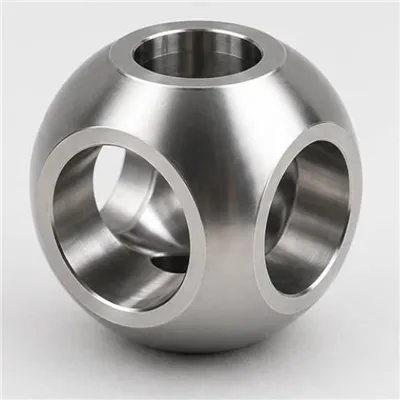
Three - way valve balls, as shown on the Three - way Valve Ball page, are used to control the flow of fluids or gases in multiple directions. Their lifespan depends on factors such as the complexity of the flow patterns, the pressure differentials, and the frequency of operation. In applications where the three - way valve is used to switch between different flow paths frequently, the valve ball may experience more wear. However, with proper design and maintenance, these valve balls can still provide reliable service for an extended period.
Maximizing the Lifespan of Valve Balls with Handles
Proper Installation
Correct installation is the first step in ensuring the long - term performance of a valve ball with a handle. The valve should be installed in accordance with the manufacturer's instructions, and all connections should be properly tightened to prevent leaks. Improper installation can lead to premature wear and failure of the valve ball.
Regular Maintenance
Regular maintenance is essential for extending the lifespan of valve balls. This includes cleaning the valve to remove any debris or deposits that may accumulate over time. Lubrication of the moving parts, such as the handle and the valve ball, can also reduce friction and wear. Additionally, periodic inspections should be carried out to check for signs of damage or wear, such as cracks, corrosion, or leaks.

Monitoring Operating Conditions
Monitoring the operating conditions of the valve is crucial. This includes keeping track of the pressure, temperature, and flow rate. If any abnormal conditions are detected, appropriate measures should be taken to address them. For example, if the pressure is too high, the system may need to be adjusted or the valve may need to be replaced.
Conclusion
The lifespan of a valve ball with a handle can vary significantly depending on several factors, including material quality, operating conditions, and frequency of use. By choosing high - quality materials, ensuring proper installation, performing regular maintenance, and monitoring the operating conditions, you can maximize the lifespan of your valve balls.
If you are in the market for valve balls with handles, we are here to provide you with high - quality products and professional advice. Our team of experts can help you select the right valve ball for your specific application and ensure that it meets your requirements. Contact us to start a procurement discussion and find the best valve ball solution for your needs.
References
- "Valve Handbook" by E. Ludwig
- "Industrial Valves: Selection, Operation, and Maintenance" by John W. Campbell