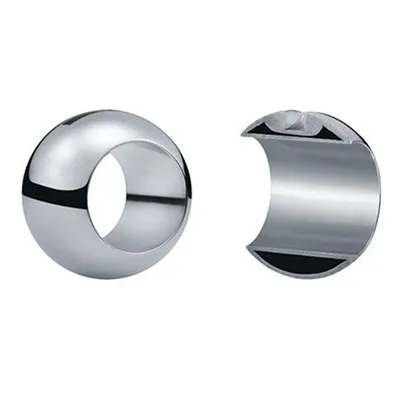
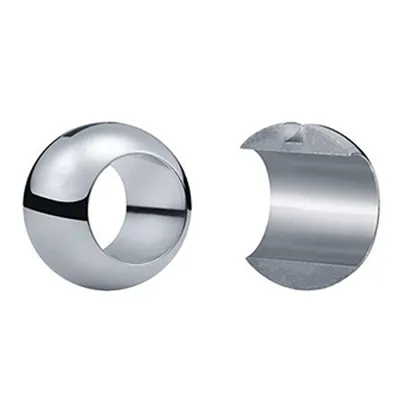
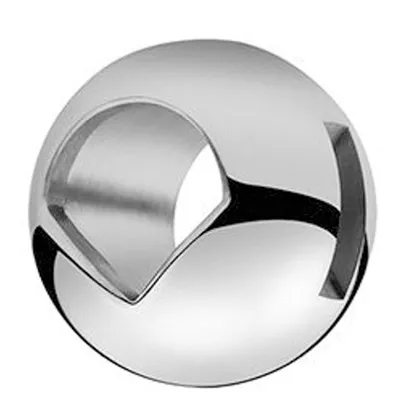
Hey there! As a supplier of Soft - Sealed Balls, I often get asked, "Do Soft - Sealed Balls have a heat - resistance property?" Well, let's dive right into this topic and find out!
First off, what are Soft - Sealed Balls? Soft - Sealed Balls, as you can learn more about here, are a crucial component in many industrial applications. They are used in valves, and the soft seal provides a tight closure, preventing leaks. This is in contrast to Hard - sealed Valve Ball, which have a different sealing mechanism.
Now, when it comes to heat resistance, it's not a one - size - fits - all answer. The heat - resistance property of Soft - Sealed Balls depends on a few key factors.
Material Matters
The primary determinant of a Soft - Sealed Ball's heat resistance is the material used for the soft seal. There are several common materials out there, and each has its own heat - tolerance range.
-
Neoprene: This is a popular choice for Soft - Sealed Balls. Neoprene is known for its good resistance to oil, ozone, and weathering. It can generally withstand temperatures from around - 20°C to 100°C. So, in applications where the temperature is within this range, neoprene - sealed Soft - Sealed Balls work just fine. For example, in some water - based systems or mild - temperature chemical processing units, neoprene can maintain its sealing properties.
-
Nitrile Rubber: Nitrile rubber is another widely used material. It has excellent resistance to oil and fuel, making it a great option for automotive and industrial applications where these substances are present. Nitrile rubber can handle temperatures from approximately - 40°C to 120°C. This wider temperature range gives it an edge over neoprene in some high - stress environments. If you're dealing with a system that has a bit more heat variation, nitrile - sealed Soft - Sealed Balls could be the way to go.
-
Viton: Viton is a high - performance fluoroelastomer. It offers outstanding heat resistance, with the ability to endure temperatures up to 200°C and sometimes even higher in short - term applications. It also has excellent chemical resistance, making it suitable for extreme industrial conditions, such as in the aerospace and chemical industries. However, Viton is more expensive than neoprene and nitrile rubber, so cost is a factor to consider.
Application Considerations
The way Soft - Sealed Balls are used also impacts their heat - resistance performance.
-
Continuous vs. Intermittent Heat: If the Soft - Sealed Balls are exposed to continuous high temperatures, it'll put more stress on the soft seal material. For instance, in a steam - powered system where the temperature is constantly high, the seal material will degrade faster compared to an application where the high - temperature exposure is intermittent. In intermittent applications, the seal has some time to cool down, which can extend its lifespan.
-
Pressure and Heat Interaction: Pressure and heat often go hand in hand in industrial settings. Higher pressures can exacerbate the effects of heat on the Soft - Sealed Balls. When there's a lot of pressure in a system, the soft seal has to work harder to maintain the seal. Combine that with high temperatures, and the material can deform or lose its elasticity more quickly. So, it's important to consider the pressure levels in your system when evaluating the heat - resistance of Soft - Sealed Balls.
Testing and Quality Assurance
As a supplier, we take heat resistance seriously. We conduct a variety of tests to ensure that our Soft - Sealed Balls meet the required standards.
-
Thermal Cycling Tests: In these tests, we subject the Soft - Sealed Balls to repeated cycles of heating and cooling. This simulates real - world conditions where the temperature fluctuates. By monitoring the seal's performance over multiple cycles, we can determine its long - term heat - resistance capabilities.
-
High - Temperature Exposure Tests: We also expose the Soft - Sealed Balls to constant high temperatures for an extended period. During this time, we measure factors like seal integrity, material hardness, and any signs of degradation. This helps us understand how the seal will perform in a high - heat environment over time.

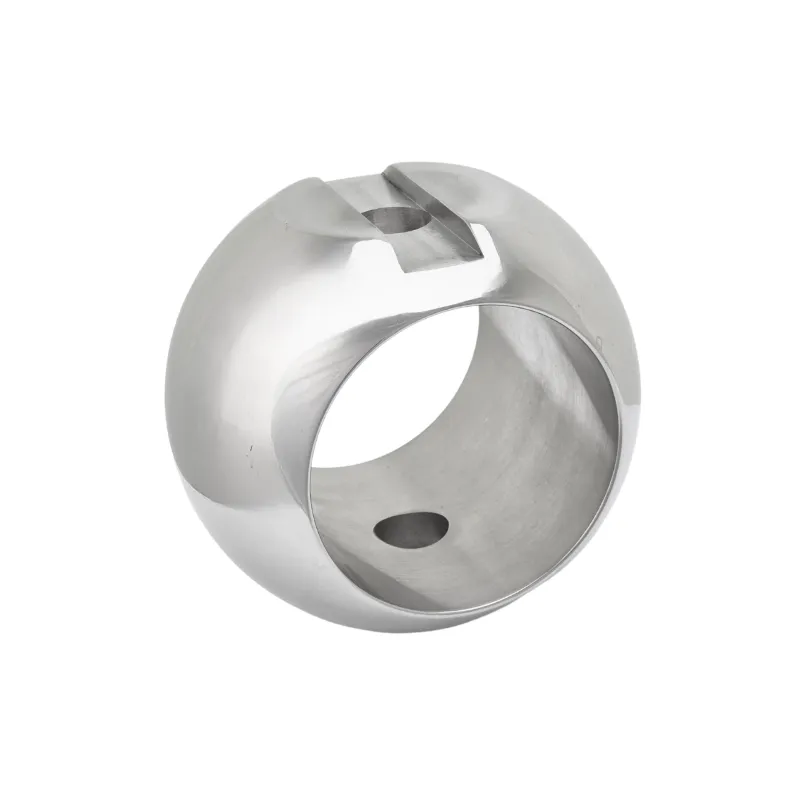
But it's not just about testing in the lab. We also gather feedback from our customers. Their real - world experiences provide valuable insights into how our products are holding up in different applications.
When to Choose Soft - Sealed Balls for High - Heat Applications
There are certain situations where Soft - Sealed Balls can be a good choice even in high - heat environments.
-
Good Sealing Requirements: If your application requires a tight seal to prevent leaks, Soft - Sealed Balls can be superior to hard - sealed ones. For example, in some chemical processing plants where even a small leak can be dangerous, the flexibility of the soft seal can provide a better seal than a hard - sealed alternative.
-
Cost - Effective Solutions: While Viton - sealed Soft - Sealed Balls can be expensive, using neoprene or nitrile rubber in lower - heat applications can offer a cost - effective solution. If your system operates within the temperature limits of these materials, you can save money without sacrificing too much in terms of performance.
In conclusion, Soft - Sealed Balls can have heat - resistance properties, but it all boils down to the material, application, and proper testing. Whether you're in the automotive, chemical, or any other industry that requires reliable valve components, we've got the Soft - Sealed Balls to meet your needs.
If you're interested in purchasing Soft - Sealed Balls for your application, don't hesitate to reach out. Our team is ready to discuss your specific requirements, help you choose the right material, and ensure you get the best - performing products. Let's start a conversation and find the perfect solution for you!
References
- Rubber Handbook, Smithers Rapra
- Industrial Valve Handbook, Elsevier