Hey there! As a supplier of F - Port Valve Balls, I often get asked about the temperature rating of these nifty little components. So, let's dive right into it and explore what the temperature rating of an F - Port Valve Ball really means.
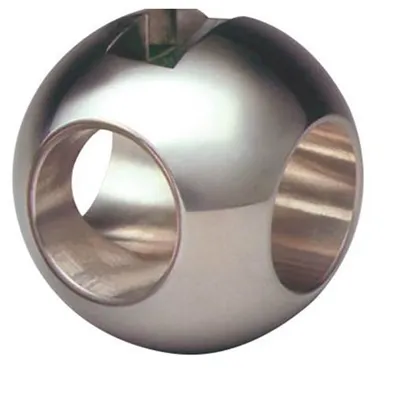
First off, what exactly is an F - Port Valve Ball? Well, it's a type of valve ball that has a unique F - shaped port design. This design allows for specific flow characteristics and is commonly used in various industrial applications where precise control of fluid or gas flow is required.
Now, let's talk about temperature ratings. The temperature rating of an F - Port Valve Ball is a crucial factor to consider when choosing the right valve for your application. It indicates the range of temperatures within which the valve ball can operate safely and effectively.
The temperature rating of an F - Port Valve Ball depends on several factors. One of the main factors is the material used to manufacture the valve ball. Different materials have different thermal properties, which means they can withstand different temperature ranges.
For example, stainless steel is a popular material for F - Port Valve Balls. Stainless steel has excellent corrosion resistance and can typically withstand a wide range of temperatures. It can handle temperatures from around -200°C to 600°C, depending on the specific grade of stainless steel. This makes it suitable for many industrial applications, including those in the chemical, oil, and gas industries.
Another common material is brass. Brass is known for its good thermal conductivity and is often used in applications where lower temperature ranges are involved. Brass F - Port Valve Balls can generally handle temperatures from -20°C to 200°C. They are commonly used in plumbing and HVAC systems.


There are also other materials like ceramic and plastic that can be used to make F - Port Valve Balls. Ceramic valve balls can withstand extremely high temperatures, sometimes up to 1000°C or more. However, they are more brittle and may not be suitable for applications with high mechanical stress. Plastic valve balls, on the other hand, are often used in low - temperature and low - pressure applications, with temperature ratings typically ranging from -40°C to 80°C.
When determining the temperature rating of an F - Port Valve Ball, it's also important to consider the type of media flowing through the valve. Different media can have different effects on the valve ball at various temperatures. For instance, some chemicals may react with the valve ball material at high temperatures, causing corrosion or other forms of damage.
In addition to the material and the media, the design of the valve ball and its associated components also play a role in the temperature rating. A well - designed valve ball with proper seals and gaskets can better withstand temperature variations. The manufacturing process and quality control also ensure that the valve ball meets the specified temperature rating.
Now, let's compare the F - Port Valve Ball with some other types of valve balls. If you're interested in different port designs, you might want to check out the T - Port Valve Ball, V - Port Valve Ball, and X - Port Valve Ball. Each of these has its own unique characteristics and temperature ratings.
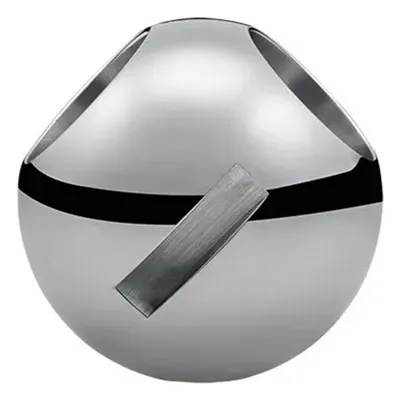
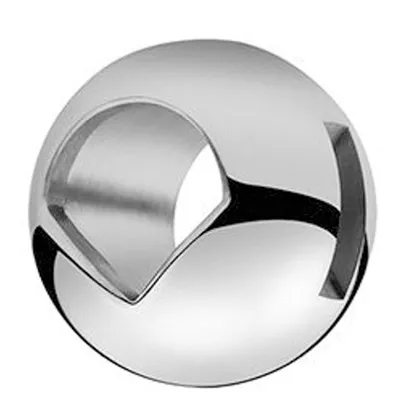
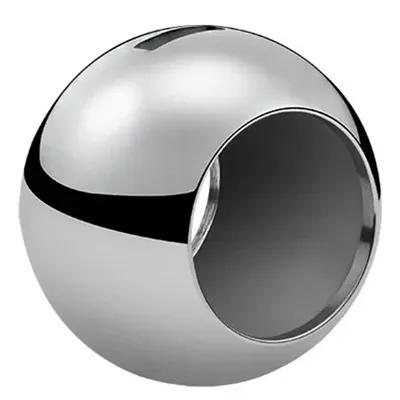
The T - Port Valve Ball, for example, has a T - shaped port and is often used in applications where multiple flow paths need to be controlled. Its temperature rating will also depend on the material used, similar to the F - Port Valve Ball. The V - Port Valve Ball has a V - shaped port, which provides a more linear flow characteristic and is suitable for applications where precise flow control is required. The X - Port Valve Ball, with its X - shaped port, offers yet another option for specific flow requirements.
When it comes to choosing the right F - Port Valve Ball for your application, it's essential to consider the temperature rating carefully. You don't want to end up with a valve ball that fails due to overheating or freezing. Make sure to consult with a professional or an experienced supplier like us to ensure you get the right valve ball for your specific needs.
If you're in the market for F - Port Valve Balls or any other types of valve balls, we're here to help. We have a wide range of valve balls in different materials, sizes, and temperature ratings. Our team of experts can assist you in selecting the best valve ball for your application, taking into account factors like temperature, pressure, and media.
Don't hesitate to reach out to us if you have any questions or if you're interested in purchasing F - Port Valve Balls. We're always happy to have a chat and help you find the perfect solution for your industrial needs.
References:
- Industrial Valve Handbook
- Material Science and Engineering textbooks