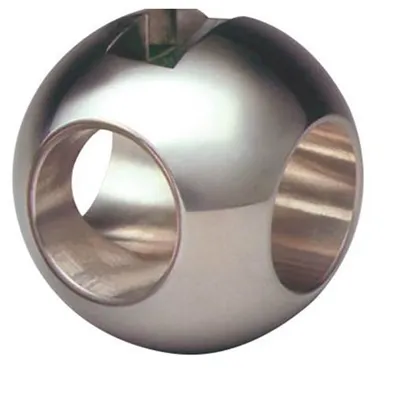
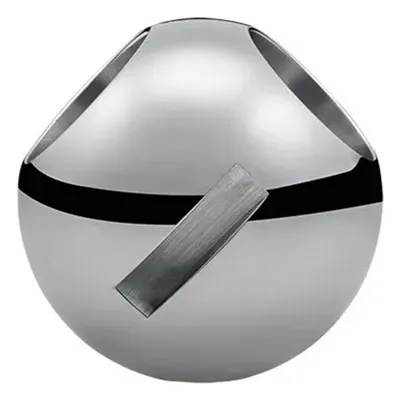
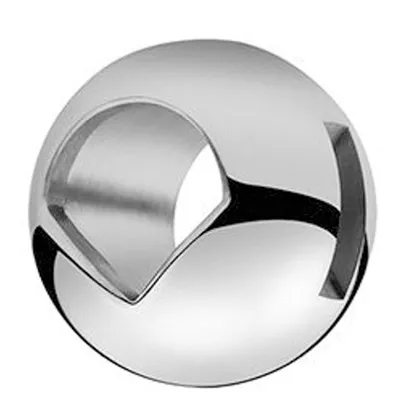
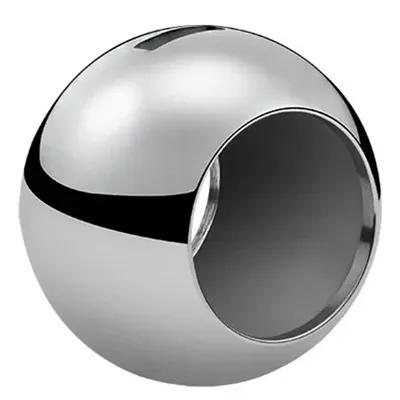
In the industrial realm, Inconel alloy valve balls are highly regarded for their exceptional performance in various applications. As a reputable supplier of Inconel Alloy Valve Ball, I've witnessed firsthand the challenges that can arise with these components. Understanding the common failures of Inconel alloy valve balls is crucial for ensuring their optimal use and longevity.


1. Corrosion
One of the most prevalent issues with Inconel alloy valve balls is corrosion. Despite Inconel's excellent corrosion - resistance properties, under certain extreme conditions, it can still be susceptible.
Galvanic Corrosion
Galvanic corrosion occurs when two dissimilar metals are in contact in an electrolyte. In a valve system, if the Inconel alloy valve ball comes into contact with a different metal, such as steel or aluminum, and there is an electrolyte present (like water or a corrosive fluid), a galvanic cell is formed. The less noble metal (in this case, the other metal) acts as the anode and corrodes, while the Inconel acts as the cathode. This can lead to pitting and localized corrosion on the valve ball surface. For example, in a marine environment where seawater is the electrolyte, if the valve ball is in contact with a steel component, galvanic corrosion can accelerate the deterioration of the valve ball.
Crevice Corrosion
Crevice corrosion happens in areas where there are small gaps or crevices. In a valve, these can occur between the valve ball and the seat or in areas where debris accumulates. The stagnant fluid in these crevices creates a different chemical environment compared to the bulk fluid. Oxygen depletion in the crevice can lead to the formation of an acidic environment, which attacks the Inconel alloy. Over time, this can cause deep pits and cracks in the valve ball, compromising its integrity.
2. Wear and Abrasion
Valve balls are constantly in motion within the valve system, and they are subject to wear and abrasion.
Sliding Wear
When the valve ball slides against the valve seat during opening and closing operations, sliding wear occurs. The friction between the two surfaces can cause material removal from the valve ball. The hardness of the valve seat and the operating conditions, such as pressure and flow rate, play a significant role in the extent of sliding wear. For instance, in a high - pressure system with a hard - faced valve seat, the Inconel alloy valve ball may experience more rapid wear.
Erosive Wear
Erosive wear is caused by the impact of solid particles carried by the fluid flowing through the valve. In industries such as mining or oil and gas, where the fluid may contain sand, gravel, or other abrasive particles, the valve ball can be severely damaged. These particles strike the valve ball surface, chipping away material and causing surface roughness. As the surface becomes rougher, the wear rate can increase, leading to premature failure of the valve ball.
3. Fatigue
Fatigue failure is another common problem in Inconel alloy valve balls.
Cyclic Loading
Valve balls are often subjected to cyclic loading during normal operation. Each time the valve opens and closes, the valve ball experiences stress changes. Over time, these cyclic stresses can cause microscopic cracks to form on the surface of the valve ball. These cracks can propagate under continued loading, eventually leading to the failure of the valve ball. The frequency and magnitude of the cyclic loading, as well as the material properties of the Inconel alloy, influence the fatigue life of the valve ball.
Thermal Fatigue
In applications where there are significant temperature variations, thermal fatigue can occur. When the valve ball is exposed to rapid heating and cooling cycles, thermal stresses are generated. These stresses can cause cracks to form and grow, especially at areas of high stress concentration. For example, in a steam valve system, the valve ball may experience large temperature changes during start - up and shut - down operations, leading to thermal fatigue.
4. Sealing Failure
The proper sealing of the valve ball is essential for the efficient operation of the valve.
Surface Roughness
If the surface of the Inconel alloy valve ball is too rough, it can prevent a proper seal from forming between the valve ball and the seat. Surface roughness can be caused by wear, corrosion, or improper manufacturing processes. A rough surface allows fluid to leak past the seal, reducing the efficiency of the valve and potentially causing system malfunctions.
Deformation
Deformation of the valve ball can also lead to sealing failure. High - pressure conditions or improper installation can cause the valve ball to deform. A deformed valve ball cannot make a tight seal with the valve seat, resulting in leakage.
Mitigation Strategies
To address these common failures, several strategies can be employed.
Material Selection
Choosing the right grade of Inconel alloy is crucial. Different grades have different properties, and selecting the appropriate grade based on the application requirements can enhance the performance and durability of the valve ball. For example, some grades of Inconel have better corrosion resistance in specific environments, while others are more suitable for high - temperature applications.
Surface Treatments
Surface treatments can improve the wear and corrosion resistance of the valve ball. Electroless Nickel Plated (ENP) Valve Ball provides a hard and corrosion - resistant coating, which can reduce wear and protect the underlying Inconel alloy. Chromium Carbide (CRC) Valve Ball is another option, offering excellent abrasion resistance.
Proper Installation and Maintenance
Proper installation of the valve ball is essential to prevent deformation and ensure a good seal. Regular maintenance, including inspection for wear, corrosion, and proper lubrication, can help detect and address issues before they lead to failure.
Conclusion
Inconel alloy valve balls are vital components in many industrial applications. However, they are prone to several common failures, including corrosion, wear and abrasion, fatigue, and sealing failure. By understanding these failures and implementing appropriate mitigation strategies, we can ensure the reliable and long - term operation of the valve system.
If you are in need of high - quality Inconel alloy valve balls or have any questions regarding their performance and application, feel free to contact us for procurement and further discussion. We are committed to providing you with the best solutions for your industrial needs.
References
- ASM Handbook Volume 13A: Corrosion: Fundamentals, Testing, and Protection
- Tribology Handbook, Second Edition