Hey there! As a supplier of Hollow Valve Balls, I often get asked about how these nifty little components work, especially their opening and closing mechanisms. So, let's dive right in and break it down.
The Basics of Hollow Valve Balls
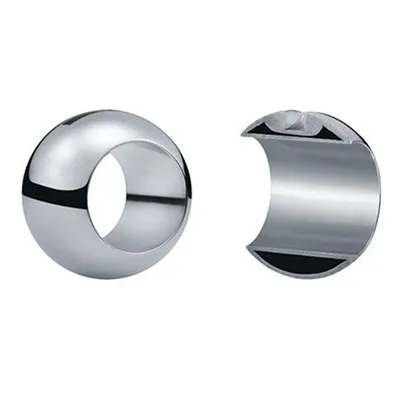
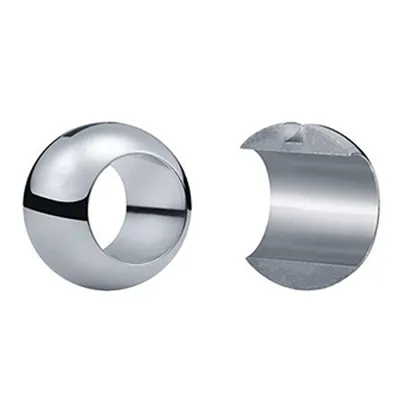
First off, what exactly is a Hollow Valve Ball? Well, it's a type of valve ball with a hollow center. This design offers several advantages, like reducing weight and material usage, which can be a big plus in many applications. These valve balls are used in various industries, from oil and gas to water treatment, to control the flow of fluids.
How the Opening Mechanism Works
The opening mechanism of a Hollow Valve Ball is all about allowing fluid to pass through. When you want to open the valve, you typically turn the valve stem. This rotation causes the ball to move within the valve body. As the ball rotates, the hole in the ball aligns with the inlet and outlet ports of the valve. Once the alignment is perfect, fluid can flow freely through the valve.
Let's say you're using a Valve Stem Ball. The valve stem is connected to the ball, and when you turn the stem, it directly rotates the ball. This is a simple and effective way to open the valve. The key here is that the ball needs to rotate smoothly and precisely to ensure a proper seal when closed and a clear path for fluid when open.
The Closing Mechanism
Closing the valve is just as important as opening it. When you want to stop the flow of fluid, you turn the valve stem in the opposite direction. This rotates the ball so that the hole in the ball is no longer aligned with the inlet and outlet ports. Instead, the solid part of the ball blocks the flow, creating a seal.
The seal is crucial to prevent any leakage. The ball needs to fit snugly against the valve seats to create an effective barrier. In a Floating Valve Ball, the ball is free to move slightly within the valve body. When the valve is closed, the pressure of the fluid pushes the ball against the downstream seat, enhancing the seal.
Different Types of Hollow Valve Balls and Their Mechanisms
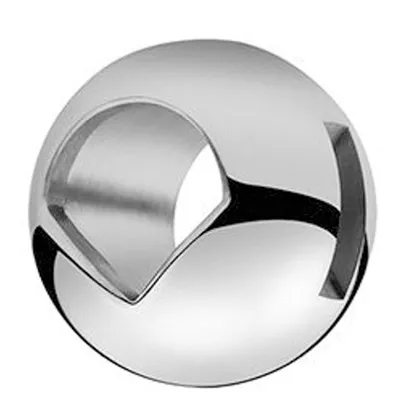
There are different types of Hollow Valve Balls, and each has its own unique opening and closing mechanism. For example, a Three-way Valve Ball can direct fluid flow in multiple directions. It has three ports and a ball with a special design to control the flow between these ports.
When using a three-way valve ball, you can rotate the ball to different positions to direct the fluid to different outlets. This gives you more flexibility in controlling the flow of fluids in a system. For instance, in a chemical processing plant, a three-way valve ball can be used to divert different chemicals to different storage tanks.
Factors Affecting the Opening and Closing Mechanisms
Several factors can affect how well a Hollow Valve Ball opens and closes. One of the main factors is the material of the ball and the valve seats. The materials need to be compatible and able to withstand the pressure and temperature of the fluid. For example, in high-temperature applications, you might need a ball made of a heat-resistant material like stainless steel.
Another factor is the design of the valve body. The valve body needs to be designed to allow the ball to rotate smoothly and to provide a proper seal. Any misalignment or damage to the valve body can affect the performance of the valve.
Maintenance and Troubleshooting
To ensure that the opening and closing mechanisms of your Hollow Valve Balls work properly, regular maintenance is essential. This includes cleaning the valve, checking for any signs of wear or damage, and lubricating the moving parts.
If you encounter any problems with the opening or closing of the valve, there are a few things you can do. First, check if the valve stem is turning freely. If it's stuck, there might be debris or damage in the valve body. You can try cleaning the valve or replacing any damaged parts.
Why Choose Our Hollow Valve Balls
As a supplier of Hollow Valve Balls, we take pride in offering high-quality products. Our valve balls are made from the best materials and are designed to provide reliable performance. We have a team of experts who can help you choose the right valve ball for your specific application.


Whether you need a simple Valve Stem Ball or a more complex Three-way Valve Ball, we've got you covered. We also offer competitive prices and excellent customer service.
Contact Us for Your Valve Ball Needs
If you're in the market for Hollow Valve Balls, we'd love to hear from you. Whether you have questions about the opening and closing mechanisms or need help choosing the right valve ball for your project, our team is here to assist you. Don't hesitate to reach out and start a conversation about your valve ball requirements.
References
- Valve Handbook: A Guide to Valve Selection and Application
- Industrial Valve Technology: Principles and Practice