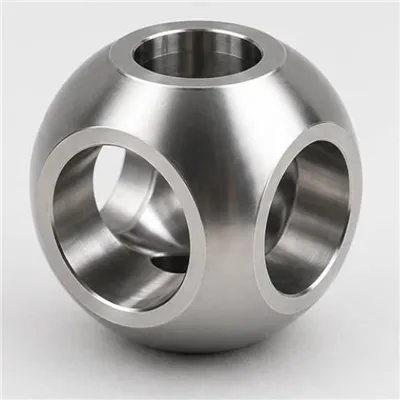
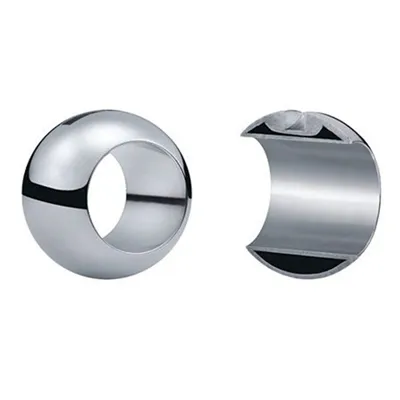
Floating valve balls are crucial components in various industries, and the automotive industry is no exception. As a leading supplier of Floating Valve Ball, I've witnessed firsthand how these small yet powerful parts play a significant role in enhancing the performance and reliability of automotive systems. In this blog, we'll explore the diverse applications of floating valve balls in the automotive industry.
Fuel Delivery Systems
One of the primary applications of floating valve balls in the automotive industry is in fuel delivery systems. These systems are responsible for transporting fuel from the fuel tank to the engine, and floating valve balls are used in several key components.
Fuel Injectors
Fuel injectors are devices that spray fuel into the engine's combustion chamber in a precise and controlled manner. Floating valve balls are used in the injector's nozzle to regulate the flow of fuel. When the injector is activated, the valve ball moves to allow fuel to pass through the nozzle and into the combustion chamber. The floating design of the valve ball ensures a tight seal when the injector is closed, preventing fuel leakage and ensuring efficient fuel delivery.
Fuel Pumps
Fuel pumps are responsible for pressurizing the fuel and delivering it to the fuel injectors. Floating valve balls are used in the pump's check valves to control the flow of fuel. The check valves prevent the backflow of fuel, ensuring that the fuel is delivered to the engine in a one-way direction. The floating valve balls provide a reliable and efficient sealing mechanism, allowing the fuel pump to operate effectively.
Engine Cooling Systems
Engine cooling systems are essential for maintaining the optimal operating temperature of the engine. Floating valve balls are used in several components of the cooling system to ensure proper coolant flow and temperature regulation.
Thermostats
Thermostats are devices that regulate the flow of coolant through the engine based on the engine's temperature. Floating valve balls are used in the thermostat's valve mechanism to control the opening and closing of the valve. When the engine is cold, the valve ball seals the valve, preventing coolant from flowing through the engine. As the engine warms up, the valve ball moves to allow coolant to flow through the engine, helping to maintain the optimal operating temperature.
Radiator Cap
The radiator cap is a critical component of the engine cooling system that helps to maintain the pressure in the cooling system. Floating valve balls are used in the radiator cap's pressure relief valve to prevent the cooling system from overpressurizing. When the pressure in the cooling system exceeds a certain level, the valve ball moves to allow excess pressure to escape, preventing damage to the cooling system.
Transmission Systems
Transmission systems are responsible for transferring power from the engine to the wheels. Floating valve balls are used in several components of the transmission system to ensure smooth and efficient operation.
Automatic Transmissions
Automatic transmissions use a complex system of gears, clutches, and valves to shift gears automatically. Floating valve balls are used in the transmission's hydraulic control system to regulate the flow of hydraulic fluid. The hydraulic fluid is used to engage and disengage the clutches and shift the gears. The floating valve balls provide a precise and reliable control mechanism, allowing the transmission to shift gears smoothly and efficiently.
Manual Transmissions
Manual transmissions also use floating valve balls in the clutch system. The clutch is a device that allows the driver to engage and disengage the engine from the transmission. Floating valve balls are used in the clutch master cylinder and slave cylinder to control the flow of hydraulic fluid. The hydraulic fluid is used to operate the clutch, allowing the driver to shift gears smoothly.
Brake Systems
Brake systems are essential for ensuring the safety of the vehicle and its passengers. Floating valve balls are used in several components of the brake system to ensure reliable and efficient operation.
Anti-lock Braking Systems (ABS)
Anti-lock braking systems (ABS) are designed to prevent the wheels from locking up during braking, allowing the driver to maintain control of the vehicle. Floating valve balls are used in the ABS's hydraulic control unit to regulate the flow of brake fluid. The hydraulic control unit is responsible for modulating the brake pressure at each wheel, ensuring that the wheels do not lock up. The floating valve balls provide a precise and reliable control mechanism, allowing the ABS to operate effectively.
Brake Calipers
Brake calipers are devices that apply pressure to the brake pads, causing them to press against the brake rotors and slow down the vehicle. Floating valve balls are used in the brake caliper's piston to control the flow of brake fluid. The piston is responsible for applying pressure to the brake pads, and the floating valve ball ensures that the piston moves smoothly and evenly, providing consistent braking performance.
Other Applications
In addition to the above applications, floating valve balls are also used in several other components of the automotive industry, including:
Air Conditioning Systems
Air conditioning systems use floating valve balls in the expansion valve to regulate the flow of refrigerant. The expansion valve is responsible for reducing the pressure of the refrigerant, allowing it to expand and cool the air inside the vehicle. The floating valve ball provides a precise and reliable control mechanism, ensuring efficient operation of the air conditioning system.
Suspension Systems
Suspension systems use floating valve balls in the shock absorbers to control the flow of hydraulic fluid. The shock absorbers are responsible for damping the vibrations and shocks caused by the vehicle's movement, providing a smooth and comfortable ride. The floating valve ball ensures that the shock absorber operates effectively, providing consistent damping performance.
Power Steering Systems
Power steering systems use floating valve balls in the steering control valve to regulate the flow of hydraulic fluid. The steering control valve is responsible for controlling the direction and amount of hydraulic fluid that is sent to the power steering cylinder, allowing the driver to steer the vehicle with ease. The floating valve ball provides a precise and reliable control mechanism, ensuring smooth and responsive steering.
Conclusion
As we've seen, floating valve balls play a crucial role in the automotive industry, with applications in fuel delivery systems, engine cooling systems, transmission systems, brake systems, and many other components. At our company, we are committed to providing high-quality Floating Valve Ball that meet the strictest standards of performance and reliability. Our products are designed to withstand the harsh conditions of the automotive environment, ensuring long-lasting and trouble-free operation.


If you're in the automotive industry and are looking for a reliable supplier of floating valve balls, we'd love to hear from you. We offer a wide range of products to meet your specific needs, and our team of experts is always available to provide technical support and assistance. Contact us today to learn more about our products and services and to discuss your requirements.
References
- Automotive Engineering Handbook, Society of Automotive Engineers (SAE)
- Principles of Automotive Engineering, Richard H. Burger
- Automotive Technology: A Systems Approach, James D. Halderman