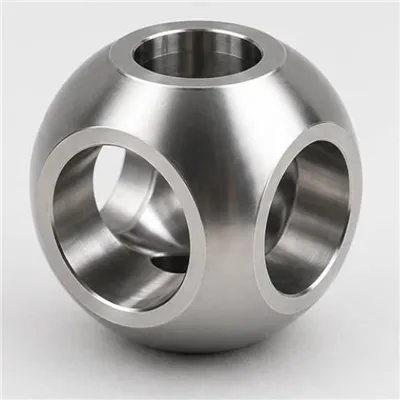
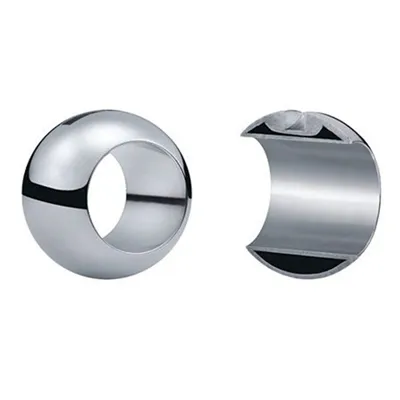
Hey there! As a supplier of Directional Valve Balls, I've seen my fair share of valve ball failures. It can be a real headache for everyone involved, from manufacturers to end-users. That's why I'm here to chat about the preventive measures for the failure of a directional valve ball. Let's dive right in!
Understanding the Causes of Directional Valve Ball Failure
Before we can talk about prevention, we need to know what causes these failures in the first place. There are several factors that can contribute to the breakdown of a directional valve ball, and understanding them is key to keeping your valves in tip-top shape.
- Wear and Tear: One of the most common causes of valve ball failure is simple wear and tear. Over time, the constant movement and friction between the valve ball and its seat can cause the surfaces to degrade. This can lead to leaks, reduced performance, and eventually, complete failure.
- Contamination: Dirt, debris, and other contaminants can find their way into the valve system and cause damage to the valve ball. Contamination can scratch the surface of the ball, preventing it from sealing properly and leading to leaks. It can also cause the ball to stick, making it difficult to operate the valve.
- Corrosion: If the valve ball is exposed to corrosive substances or environments, it can start to corrode. Corrosion weakens the material of the ball, making it more prone to damage and failure. This is especially true in industries where the valves are used in harsh chemical or marine environments.
- Improper Installation: If the directional valve ball is not installed correctly, it can cause a whole host of problems. Incorrect alignment, improper torque, or using the wrong type of seal can all lead to premature failure of the valve ball.
Preventive Measures for Directional Valve Ball Failure
Now that we know what can go wrong, let's talk about how we can prevent it. Here are some effective preventive measures that you can take to ensure the longevity and reliability of your directional valve balls.


Regular Maintenance and Inspection
- Visual Checks: Make it a habit to visually inspect your directional valve balls on a regular basis. Look for signs of wear, such as scratches, dents, or discoloration. Check for any signs of contamination, like dirt or debris on the surface of the ball. If you notice any issues, address them immediately.
- Lubrication: Proper lubrication is essential for reducing friction and wear on the valve ball. Use a high-quality lubricant that is compatible with the materials of the valve and the operating environment. Follow the manufacturer's recommendations for lubrication intervals and amounts.
- Cleaning: Keep your valve system clean to prevent contamination. Use a suitable cleaning agent to remove any dirt, debris, or contaminants from the valve ball and its components. Make sure to dry the parts thoroughly before reassembling the valve.
Proper Installation
- Follow the Manual: Always follow the manufacturer's installation instructions carefully. Make sure the valve ball is installed in the correct orientation and that all the components are tightened to the specified torque. Using the wrong installation method can lead to premature failure.
- Use the Right Tools: Use the appropriate tools for the installation process. This will ensure that the valve ball is installed correctly and that there is no damage to the ball or its components.
- Quality Seals: Use high-quality seals to prevent leaks and ensure a proper seal between the valve ball and its seat. Make sure the seals are the correct size and type for the valve.
Material Selection
- Choose the Right Material: Select a directional valve ball made from a material that is suitable for the operating environment. For example, if the valve will be exposed to corrosive substances, choose a ball made from a corrosion-resistant material like stainless steel or ceramic.
- Consider the Application: The application of the valve also plays a role in material selection. For high-pressure applications, you may need a valve ball made from a stronger material, such as a High-pressure Valve Ball.
Contamination Control
- Filtration: Install filters in the fluid system to prevent dirt, debris, and other contaminants from reaching the valve ball. Make sure to regularly clean or replace the filters to maintain their effectiveness.
- Sealing: Use proper sealing techniques to prevent contaminants from entering the valve system. This includes using gaskets, O-rings, and other seals to keep the valve components protected.
The Importance of Quality Directional Valve Balls
As a supplier, I can't stress enough the importance of using high-quality directional valve balls. A cheap, low-quality valve ball may seem like a good deal at first, but it can end up costing you more in the long run. Quality valve balls are made from better materials, are more precisely manufactured, and are less likely to fail prematurely.
When you choose a directional valve ball from a reputable supplier, you can be confident that you're getting a product that has been tested and proven to perform. At our company, we take pride in offering a wide range of high-quality valve balls, including Throttle Valve Balls, High-pressure Valve Balls, Directional Valve Balls, and Shunt Valve Balls. Our valve balls are designed to meet the highest standards of quality and performance, ensuring that your valve systems operate smoothly and efficiently.
Contact Us for Your Directional Valve Ball Needs
If you're in the market for high-quality directional valve balls, look no further. We're here to help you find the right valve ball for your application. Whether you need a standard valve ball or a custom-designed solution, we have the expertise and resources to meet your needs.
Don't let valve ball failure disrupt your operations. Take the necessary preventive measures and invest in quality valve balls. If you have any questions or need more information, feel free to reach out to us. We'd be happy to assist you in any way we can.
References
- "Valve Handbook", Various authors
- "Fluid Power Technology", By John C. Parr
- Technical documentation from valve ball manufacturers