Hey there! As a supplier of Trunnion Valve Balls, I often get asked about the valve actuation time. Frankly speaking, it ain't a one - size - fits - all answer. Let's dive right in and explore what valve actuation time for a Trunnion Valve Ball is all about.
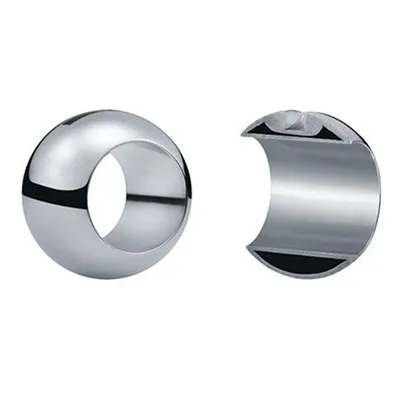
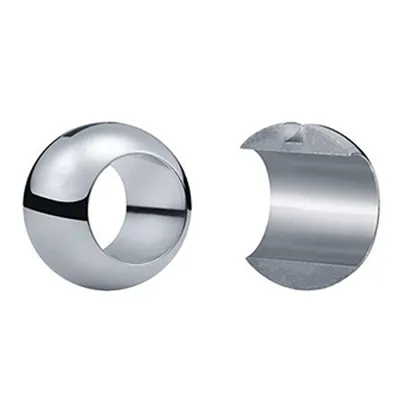
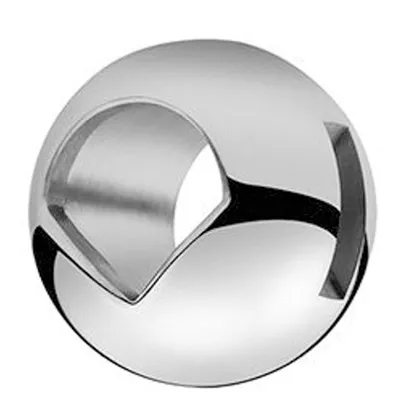
First off, what the heck is a Trunnion Valve Ball? Well, it's a key component in many valve systems. You can learn more about it here Trunnion Valve Ball. Unlike some other valve balls out there, like the Solid Valve Ball, Four - way Valve Ball, Fixed Valve Ball, and Valve Ball With Handle, the Trunnion Valve Ball has a unique design. It's supported by trunnions, which are basically small shafts or pins. These trunnions help to reduce the operating torque required to turn the ball, making it a great choice for high - pressure applications.
Okay, now let's talk about valve actuation time. In simple terms, it's the time it takes for the valve ball to go from a fully open position to a fully closed position, or vice versa. Why does this matter? Well, in lots of industrial processes, timing is everything. For example, in a chemical plant, you might need to quickly shut off a valve to prevent a dangerous chemical spill. Or, in an oil and gas pipeline, a fast - acting valve can help to control the flow of oil or gas more precisely.
There are several factors that can affect the valve actuation time of a Trunnion Valve Ball. The first one is the size of the valve. Generally speaking, larger valves take longer to actuate than smaller ones. This is because there's more mass to move. Think about it like trying to turn a big wheel compared to a small one – it takes more effort and time to get the big wheel moving.
Another crucial factor is the pressure differential across the valve. When there's a large pressure difference between the upstream and downstream sides of the valve, it can be harder to move the valve ball. This means that the actuation time will be longer. To put it into perspective, imagine trying to open a door when there's a strong wind pushing against it from the other side. It's going to take you more time and effort to get that door open.
The type of actuator used also plays a huge role. There are different types of actuators, such as electric, pneumatic, and hydraulic. Electric actuators are often known for their precision and relatively fast actuation times, but they might not be as powerful as hydraulic ones. Pneumatic actuators are popular because they're relatively inexpensive and can provide a quick actuation, but they might not be suitable for high - pressure applications. Hydraulic actuators are super powerful and can handle high pressures, but they can be a bit slower due to the nature of the hydraulic fluid flow.
The material and design of the Trunnion Valve Ball itself are also important. A well - designed valve ball with smooth surfaces and proper tolerances can reduce friction, which in turn can speed up the actuation time. The material of the ball affects its weight and durability. For instance, a lighter material might make the ball easier to move, resulting in a shorter actuation time.
Now, let's get a bit more technical about measuring the valve actuation time. Usually, it's measured using sensors. These sensors can detect the position of the valve ball and record the time it takes to change positions. The data collected from these sensors can help engineers optimize the valve performance. They can adjust the actuator settings, the valve design, or other parameters to get the desired actuation time.
So, how do we figure out the right valve actuation time for a specific application? It's all about understanding the requirements of the process. If you're dealing with a process that requires quick response times, like in a safety - critical system, you'll need a valve with a short actuation time. On the other hand, if the process is more forgiving and doesn't require immediate valve action, you might be able to use a valve with a longer actuation time.
As a supplier of Trunnion Valve Balls, we've worked with a wide range of customers in different industries. We've seen how getting the valve actuation time right can make or break a project. That's why we offer customized solutions. We can work with you to understand your specific needs and then design and manufacture a Trunnion Valve Ball that meets those requirements.
If you're in the market for a Trunnion Valve Ball or just want to learn more about valve actuation times, don't hesitate to reach out. Whether you're in the chemical industry, oil and gas, or any other field that uses valves, we've got the expertise to help you find the right solution. We're here to ensure that your valve system operates smoothly and efficiently, with the perfect actuation time for your application.


Let's work together to make your valve - related projects a success. Whether you have questions or you're ready to start a procurement process, feel free to get in touch and let's have a chat about your needs.
References
- Industrial Valve Handbook: Covers various aspects of valve design, operation, and performance metrics.
- Valve Technology Journal: Contains research and case studies related to valve actuation times and efficiency.