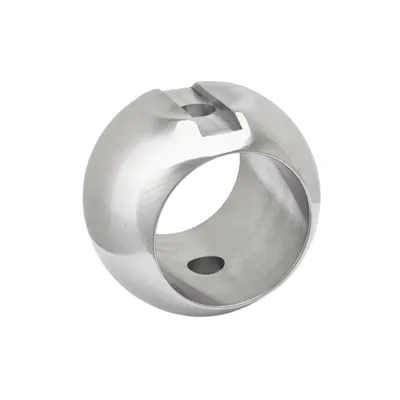
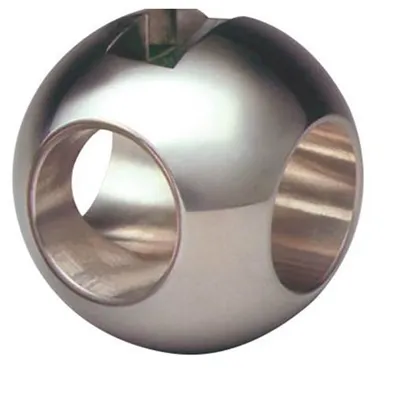
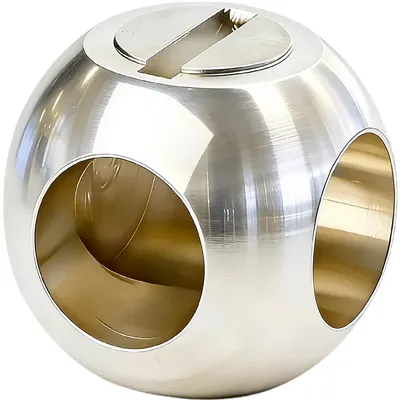
Hey there! I'm a supplier of Soft - Sealed Balls, and today I want to have a chat with you about whether these Soft - Sealed Balls are durable.
First off, let's get to know what Soft - Sealed Balls are. Soft - Sealed Balls are a type of valve balls commonly used in various industrial applications. They are designed with a soft sealing material, which gives them some unique properties compared to other types of valve balls, like the Hard - sealed Valve Ball.
When it comes to durability, there are several factors we need to consider. One of the key aspects is the material of the soft seal. Soft seals are usually made from materials like rubber, PTFE (polytetrafluoroethylene), or other elastomers. These materials have different characteristics in terms of durability.
Rubber is a popular choice for soft seals. It has good elasticity, which allows it to form a tight seal even under low pressure. But rubber also has its limitations. It can be affected by temperature, chemicals, and ozone. High temperatures can cause rubber to harden and lose its elasticity over time. Chemicals in the fluid flowing through the valve can also react with the rubber, leading to degradation. For example, if the fluid contains strong acids or alkalis, the rubber seal may start to break down. Ozone, which is present in the atmosphere, can also cause rubber to crack and deteriorate.
On the other hand, PTFE is known for its excellent chemical resistance. It can withstand a wide range of chemicals without being affected. It also has a low coefficient of friction, which means it can reduce wear and tear on the valve components. However, PTFE is not as elastic as rubber. It may not be able to form as tight a seal under low pressure as rubber can. And in some cases, PTFE can creep under high pressure, which might affect the long - term sealing performance.
Another factor that affects the durability of Soft - Sealed Balls is the operating conditions. If the valve is used in a high - pressure environment, the soft seal will be under a lot of stress. The pressure can cause the seal to deform or even break. For instance, in a hydraulic system where the pressure can be extremely high, the soft seal needs to be able to withstand the force without failing.
The frequency of operation also plays a role. If the valve is opened and closed frequently, the soft seal will experience more wear and tear. Each time the valve is actuated, the seal rubs against the valve seat, which can gradually wear down the seal material.
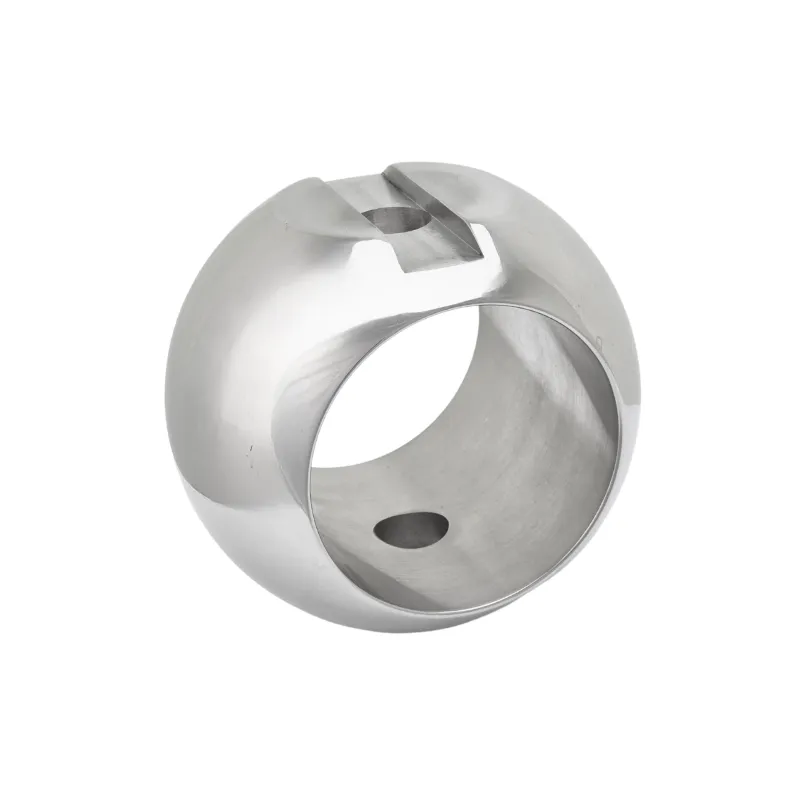

However, despite these challenges, Soft - Sealed Balls can still be very durable if they are properly selected and maintained. When choosing a Soft - Sealed Ball, it's important to consider the specific requirements of the application. For example, if the fluid is corrosive, a PTFE - sealed ball might be a better choice. If the pressure is relatively low and the temperature is within a normal range, a rubber - sealed ball could work well.
Regular maintenance is also crucial. Inspecting the soft seal regularly for signs of wear, damage, or degradation can help catch problems early. If the seal is showing signs of wear, it can be replaced before it fails completely. This can prevent costly downtime and potential damage to the entire system.
In many industrial applications, Soft - Sealed Balls have proven to be reliable and durable. They are widely used in industries such as water treatment, chemical processing, and food and beverage production. In water treatment plants, Soft - Sealed Balls are used to control the flow of water and chemicals. They can provide a tight seal to prevent leaks and ensure the proper operation of the system. In chemical processing, the chemical resistance of the soft seal is essential to handle different types of chemicals safely.
To sum it up, Soft - Sealed Balls can be durable, but it depends on various factors such as the material of the soft seal, the operating conditions, and the level of maintenance. With the right selection and proper care, they can serve their purpose effectively for a long time.
If you're in the market for Soft - Sealed Balls, I'd love to have a chat with you. Whether you have questions about the durability, the right type for your application, or anything else, feel free to reach out. I'm here to help you make the best choice for your needs.
References:
- Industrial Valve Handbook
- Material Science for Valve Applications