The fluid dynamics within a valve system is a complex and crucial aspect of various industrial applications. As a leading supplier of Metal Seat Valve Balls, we understand the significance of how these components interact with fluid flow, particularly in relation to fluid turbulence. In this blog, we will explore the effects of metal seat valve balls on fluid turbulence and how our products can optimize fluid control in different scenarios.
Understanding Fluid Turbulence
Fluid turbulence is a chaotic and irregular flow pattern characterized by rapid changes in velocity and pressure. It occurs when the fluid's flow velocity exceeds a certain critical value, causing the smooth laminar flow to break down into a more disordered state. Turbulence can have both positive and negative effects on industrial processes. On one hand, it can enhance mixing and heat transfer, which is beneficial in applications such as chemical reactions and heat exchangers. On the other hand, excessive turbulence can lead to increased energy consumption, noise, and wear on the valve components.
How Metal Seat Valve Balls Influence Fluid Turbulence
The design and material of the metal seat valve ball play a significant role in determining the level of fluid turbulence within the valve. Here are some key factors to consider:
Ball Shape and Size
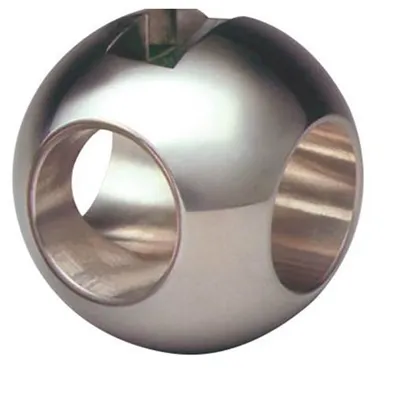
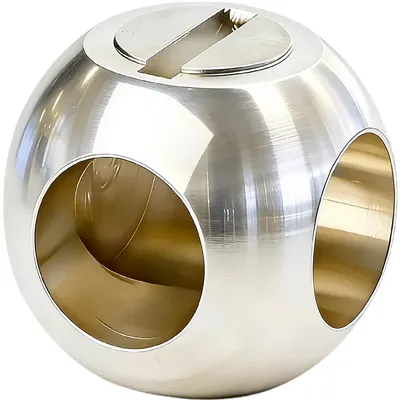
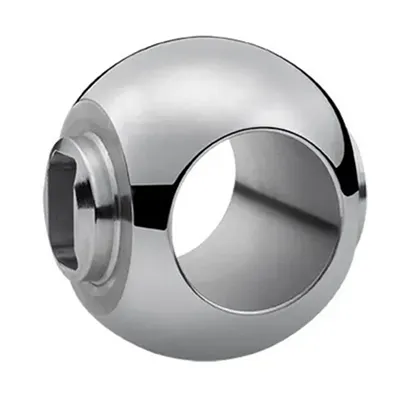
The shape and size of the valve ball can affect the flow path of the fluid. A well-designed ball with a smooth surface can help maintain a more laminar flow, reducing turbulence. For example, a spherical ball with a precise diameter and roundness can minimize the disruption of the fluid flow, allowing it to pass through the valve more smoothly. In contrast, a ball with irregularities or a non-uniform shape can create eddies and vortices, increasing turbulence.
Material Properties
The material of the valve ball can also influence fluid turbulence. Different materials have different surface roughness and friction coefficients, which can affect the flow of the fluid. For instance, a valve ball made of a smooth and hard material, such as Monel Valve Ball, can reduce the friction between the ball and the fluid, resulting in less turbulence. On the other hand, a ball with a rough surface or a material that is prone to corrosion can cause more resistance to the fluid flow, leading to increased turbulence.
Valve Opening and Closing
The way the valve is opened and closed can also impact fluid turbulence. A sudden opening or closing of the valve can create a shock wave in the fluid, causing a significant increase in turbulence. To minimize this effect, it is important to use a valve with a gradual opening and closing mechanism. Our Metal Seat Valve Balls are designed to provide a smooth and controlled flow, reducing the impact of sudden changes in the valve position.
Benefits of Reducing Fluid Turbulence
Reducing fluid turbulence can bring several benefits to industrial processes. Here are some of the key advantages:


Energy Efficiency
Excessive turbulence can lead to increased energy consumption as the fluid has to overcome the resistance caused by the turbulent flow. By reducing turbulence, the fluid can flow more smoothly through the valve, requiring less energy to maintain the desired flow rate. This can result in significant cost savings over time.
Noise Reduction
Turbulence can generate noise as the fluid collides with the valve components. By minimizing turbulence, the noise level can be reduced, creating a more comfortable working environment. This is particularly important in applications where noise pollution is a concern, such as in residential areas or hospitals.
Component Longevity
Turbulence can cause wear and tear on the valve components, leading to premature failure. By reducing turbulence, the stress on the valve ball and other components is minimized, extending their lifespan. This can reduce maintenance costs and downtime, improving the overall efficiency of the industrial process.
Our Metal Seat Valve Balls
As a trusted supplier of Metal Seat Valve Balls, we offer a wide range of products to meet the diverse needs of our customers. Our valve balls are made from high-quality materials, including Stainless Steel Valve Ball and A350 LF2 Valve Ball, which are known for their excellent corrosion resistance and durability.
We use advanced manufacturing techniques to ensure the precision and quality of our valve balls. Our products are designed to provide a smooth and controlled flow, reducing fluid turbulence and optimizing the performance of the valve system. Whether you need a standard valve ball or a custom-made solution, we have the expertise and resources to meet your requirements.
Conclusion
The metal seat valve ball has a significant impact on fluid turbulence, which can affect the efficiency and performance of industrial processes. By understanding the factors that influence fluid turbulence and choosing the right valve ball, you can optimize the fluid control in your application. As a leading supplier of Metal Seat Valve Balls, we are committed to providing high-quality products and excellent customer service. If you have any questions or need assistance with your valve ball requirements, please do not hesitate to contact us. We look forward to working with you to find the best solution for your needs.
References
- White, F. M. (2006). Fluid Mechanics. McGraw-Hill.
- Schlichting, H., & Gersten, K. (2000). Boundary-Layer Theory. Springer.
- Fox, R. W., McDonald, A. T., & Pritchard, P. J. (2012). Introduction to Fluid Mechanics. Wiley.