Troubleshooting problems with a V - Port Valve Ball can be a complex but manageable task. As a V - Port Valve Ball supplier, I've encountered a wide range of issues over the years and have developed effective strategies to address them. In this blog, I'll share some insights on how to troubleshoot common problems associated with V - Port Valve Balls.
Understanding the V - Port Valve Ball
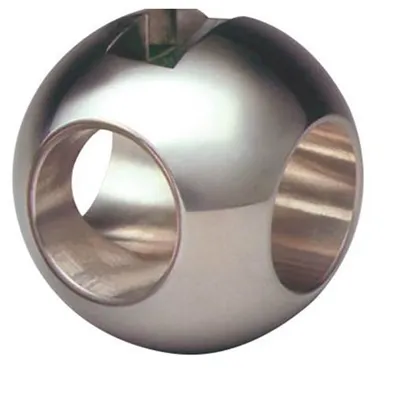
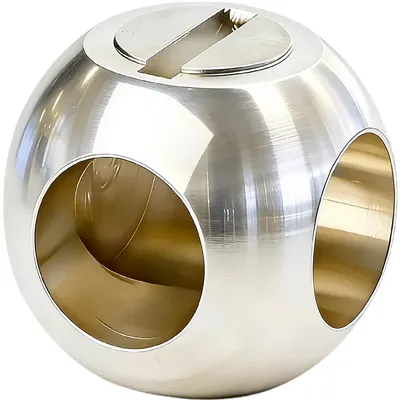
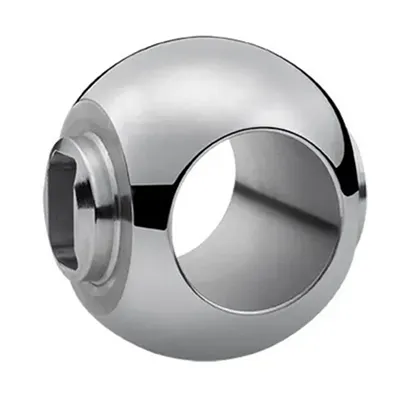
Before delving into troubleshooting, it's crucial to understand what a V - Port Valve Ball is and how it functions. A V - Port Valve Ball is a specialized type of ball valve designed with a V - shaped opening in the ball. This unique design allows for precise control of flow rates, making it ideal for applications where accurate throttling is required, such as in chemical processing, water treatment, and HVAC systems.


Common Problems and Their Solutions
1. Leakage
Leakage is one of the most common problems with V - Port Valve Balls. It can occur due to several reasons, including worn seals, damaged valve seats, or improper installation.
- Worn Seals: Over time, the seals in a V - Port Valve Ball can wear out, leading to leakage. To address this issue, inspect the seals regularly and replace them if they show signs of wear. Make sure to use high - quality seals that are compatible with the valve's operating conditions.
- Damaged Valve Seats: If the valve seats are damaged, they may not provide a proper seal, resulting in leakage. In such cases, the valve seats may need to be repaired or replaced. This often requires specialized tools and expertise, so it's advisable to consult a professional if you're not experienced in valve seat repair.
- Improper Installation: Incorrect installation can also cause leakage. Ensure that the valve is installed according to the manufacturer's instructions. Check for proper alignment, torque settings, and the use of appropriate gaskets.
2. Difficulty in Operation
If you're experiencing difficulty in operating the V - Port Valve Ball, it could be due to several factors.
- Corrosion: Corrosion can cause the valve ball to stick, making it difficult to turn. To prevent corrosion, choose valve materials that are resistant to the chemicals or fluids in the system. If corrosion has already occurred, you may need to clean or replace the affected parts.
- Debris or Foreign Objects: Debris or foreign objects in the valve can obstruct the movement of the ball. Inspect the valve regularly and remove any debris that may be present. Consider installing a strainer upstream of the valve to prevent debris from entering.
- Mechanical Issues: Problems with the valve's stem, actuator, or other mechanical components can also lead to difficulty in operation. Check for loose connections, damaged parts, or signs of wear. Replace any faulty components as needed.
3. Inaccurate Flow Control
The V - Port Valve Ball is designed for precise flow control, but if you're experiencing inaccurate flow rates, there could be an issue.
- Calibration: The valve may need to be calibrated to ensure accurate flow control. Refer to the manufacturer's instructions for calibration procedures. This may involve adjusting the valve's positioner or actuator settings.
- Worn Ball or Seat: A worn ball or seat can affect the valve's ability to control flow accurately. Inspect the ball and seat for wear and replace them if necessary.
- System Pressure Changes: Changes in system pressure can also impact flow control. Monitor the system pressure and make adjustments to the valve settings as needed.
Comparing with Other Port Valve Balls
It's also important to note the differences between V - Port Valve Balls and other types of port valve balls, such as T - Port Valve Ball and X - Port Valve Ball. While V - Port Valve Balls are excellent for precise flow control, T - Port Valve Balls are more suitable for applications where flow diversion is required. X - Port Valve Balls, on the other hand, offer unique flow characteristics that may be beneficial in specific situations. Understanding these differences can help you choose the right valve for your application and troubleshoot problems more effectively.
Preventive Maintenance
Preventive maintenance is key to avoiding problems with V - Port Valve Balls. Here are some tips for maintaining your valves:
- Regular Inspections: Conduct regular inspections of the valve to check for signs of wear, corrosion, or damage. Look for leaks, loose connections, and any other issues that may affect the valve's performance.
- Lubrication: Lubricate the valve's moving parts regularly to ensure smooth operation. Use a lubricant that is compatible with the valve's materials and the operating conditions.
- Cleaning: Keep the valve clean to prevent the accumulation of debris and contaminants. Use a suitable cleaning solution and follow the manufacturer's instructions.
Conclusion
Troubleshooting problems with a V - Port Valve Ball requires a combination of knowledge, experience, and the right tools. By understanding the common problems and their solutions, as well as implementing preventive maintenance measures, you can ensure the reliable operation of your V - Port Valve Balls.
If you're in the market for high - quality V - Port Valve Balls or need assistance with troubleshooting, we're here to help. Our team of experts has extensive experience in valve technology and can provide you with the best solutions for your needs. Contact us to discuss your requirements and start a procurement negotiation.
References
- Valve Handbook: A Guide to Valve Selection, Installation, and Maintenance
- Manufacturer's Technical Documentation for V - Port Valve Balls