Maintaining a valve seat is crucial for ensuring the efficient and reliable operation of valves in various industrial applications. As a Valve Seat supplier, I understand the significance of proper maintenance to extend the lifespan of valve seats and optimize valve performance. In this blog, I will share some essential tips on how to maintain a valve seat effectively.
Understanding the Valve Seat
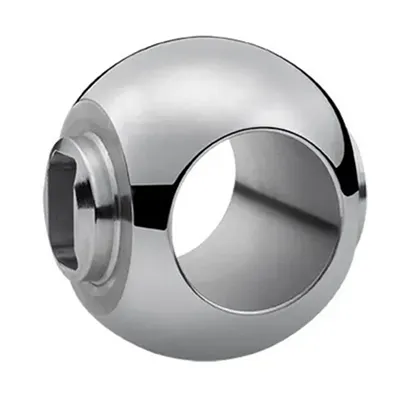
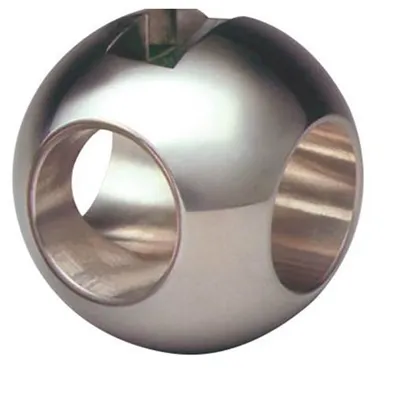
Before delving into maintenance procedures, it's important to have a basic understanding of what a valve seat is and its role in a valve system. A Valve Seat is a critical component of a valve that provides a sealing surface for the valve disc or plug. It is typically made of materials such as stainless steel, brass, or ceramic, depending on the application requirements. The valve seat ensures a tight seal when the valve is closed, preventing leakage and controlling the flow of fluids or gases.
Regular Inspection
Regular inspection is the first step in maintaining a valve seat. Visual inspection can help identify signs of wear, corrosion, or damage. Look for any cracks, pits, or scratches on the valve seat surface. These imperfections can compromise the sealing performance of the valve and lead to leakage. Additionally, check for any signs of debris or foreign particles that may have accumulated on the valve seat. Cleaning the valve seat regularly can prevent the buildup of contaminants and ensure proper sealing.
Cleaning the Valve Seat
Cleaning the valve seat is an important maintenance task that should be performed regularly. Use a soft brush or cloth to remove any dirt, debris, or rust from the valve seat surface. Avoid using abrasive materials that can scratch the valve seat. For stubborn deposits, you can use a mild cleaning solution or solvent recommended by the valve manufacturer. Make sure to rinse the valve seat thoroughly with clean water after cleaning to remove any residue.


Lubrication
Proper lubrication is essential for maintaining the smooth operation of the valve seat. Lubricants help reduce friction between the valve disc and the valve seat, preventing wear and tear. Use a lubricant that is compatible with the valve seat material and the fluid or gas being handled by the valve. Apply the lubricant evenly to the valve seat surface, following the manufacturer's recommendations.
Alignment and Installation
Correct alignment and installation of the valve seat are crucial for its proper functioning. Ensure that the valve seat is installed correctly and aligned with the valve disc or plug. Improper alignment can cause uneven wear on the valve seat and lead to leakage. Follow the manufacturer's installation instructions carefully and use the appropriate tools and techniques.
Monitoring and Testing
Regular monitoring and testing of the valve seat can help detect any potential issues early on. Monitor the valve's performance, including flow rate, pressure, and leakage. If you notice any changes in the valve's performance, such as increased leakage or reduced flow, it may indicate a problem with the valve seat. Conduct regular pressure tests and leak tests to ensure the valve seat is functioning properly.
Replacement
Over time, the valve seat may wear out or become damaged beyond repair. In such cases, it is necessary to replace the valve seat. When replacing the valve seat, make sure to choose a high-quality replacement part that is compatible with the valve. Follow the manufacturer's instructions for removing and installing the new valve seat.
Importance of Maintenance for Valve Seats
Proper maintenance of valve seats offers several benefits. Firstly, it helps prevent leakage, which can lead to significant losses in industrial processes. Leakage can result in the loss of valuable fluids or gases, as well as environmental pollution. Secondly, regular maintenance extends the lifespan of the valve seat, reducing the need for frequent replacements. This can save costs in the long run. Additionally, well-maintained valve seats ensure the efficient operation of valves, improving overall system performance.
Working with a Reliable Valve Seat Supplier
As a Valve Seat supplier, I am committed to providing high-quality valve seats and excellent customer service. We offer a wide range of valve seats in different materials and sizes to meet the diverse needs of our customers. Our valve seats are manufactured using advanced technology and strict quality control measures to ensure reliability and performance.
If you are in need of valve seats or have any questions about valve seat maintenance, please feel free to contact us. We are here to assist you with your valve seat requirements and provide you with the best solutions for your applications.
Conclusion
Maintaining a valve seat is essential for ensuring the efficient and reliable operation of valves. By following the tips outlined in this blog, you can extend the lifespan of your valve seats and optimize valve performance. Regular inspection, cleaning, lubrication, alignment, and monitoring are key to keeping your valve seats in good condition. If you need high-quality valve seats or have any maintenance questions, don't hesitate to reach out to us. We look forward to working with you to meet your valve seat needs.
References
- Valve Handbook, various editions
- Manufacturer's manuals for valves and valve seats