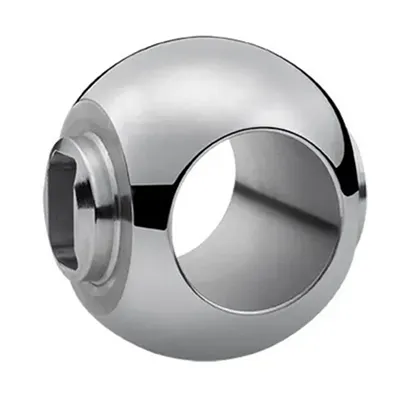
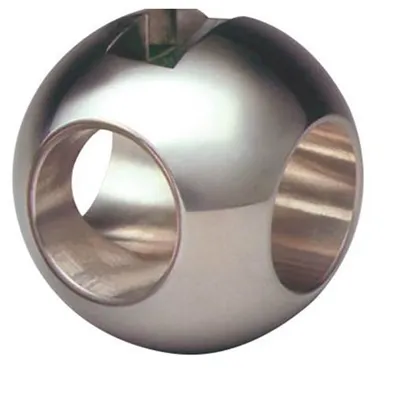
Hey there! As a supplier of Directional Valve Balls, I've been getting a lot of questions about the elasticity characteristics of these little guys. So, I thought I'd take a deep dive into the topic and share what I've learned.
What's a Directional Valve Ball?
First off, let's quickly cover what a directional valve ball is. It's a crucial component in many hydraulic and pneumatic systems. These balls are used to control the flow of fluid or gas by opening and closing different passages. They're like the traffic cops of the valve world, directing the flow where it needs to go. You can check out more about Directional Valve Ball on our website.
Elasticity Basics
Elasticity is all about how a material can deform under stress and then return to its original shape. When it comes to directional valve balls, elasticity plays a huge role in their performance. Think of it like a rubber band. When you stretch a rubber band, it gets longer, but once you let go, it snaps back to its original length. That's elasticity in action.
In the case of valve balls, they need to be elastic enough to seal properly when they're in the closed position. If they're not elastic, they won't create a tight seal, and fluid or gas can leak through. On the other hand, if they're too elastic, they might deform too much and not function correctly.
Elasticity Characteristics
Compressibility
One of the key elasticity characteristics of a directional valve ball is its compressibility. When the valve is closed, the ball is compressed against the valve seat. This compression creates a seal that prevents fluid or gas from flowing through. The compressibility of the ball determines how well it can create this seal.
A ball with high compressibility can deform more easily under pressure, which means it can create a better seal. However, if it's too compressible, it might not be able to withstand the pressure and could get damaged. So, finding the right balance is crucial.
Resilience
Resilience is another important characteristic. It refers to the ball's ability to return to its original shape after being compressed. A resilient ball will bounce back quickly, which is essential for maintaining a good seal over time. If a ball loses its resilience, it won't be able to create a tight seal, and the valve might start to leak.
Flexibility
Flexibility is related to the ball's ability to bend or flex without breaking. In a valve, the ball needs to be flexible enough to move into different positions and adapt to the shape of the valve seat. If it's too rigid, it might not be able to create a proper seal, and if it's too flexible, it might not be able to maintain its shape.
Factors Affecting Elasticity
Material
The material of the valve ball has a big impact on its elasticity. Different materials have different levels of compressibility, resilience, and flexibility. For example, stainless steel balls are known for their high strength and durability, but they might not be as elastic as some other materials. On the other hand, plastic balls can be more elastic, but they might not be as strong.
Temperature
Temperature can also affect the elasticity of a valve ball. As the temperature changes, the material of the ball can expand or contract, which can change its elasticity. For example, at high temperatures, some materials might become more elastic, while others might become more rigid.
Pressure
The pressure in the valve system can also have an impact on the elasticity of the ball. Higher pressures can cause the ball to compress more, which can affect its ability to create a seal. It's important to choose a ball that can withstand the pressure in the system without losing its elasticity.
Importance of Elasticity in Directional Valve Balls
The elasticity of a directional valve ball is crucial for its performance. A ball with the right elasticity can create a tight seal, prevent leaks, and ensure the smooth operation of the valve. If the ball doesn't have the right elasticity, it can lead to problems such as reduced efficiency, increased wear and tear, and even system failure.
For example, in a high-pressure system, a ball with low elasticity might not be able to create a proper seal, which can cause fluid or gas to leak. This can lead to a loss of pressure and a decrease in the efficiency of the system. On the other hand, a ball with too much elasticity might deform too much under pressure, which can also cause problems.
Different Types of Valve Balls and Their Elasticity
High-pressure Valve Ball
High-pressure Valve Ball are designed to withstand high pressures. They need to have a high level of elasticity to create a tight seal under these conditions. These balls are usually made from materials such as stainless steel or ceramic, which have high strength and good elasticity.
Throttle Valve Ball
Throttle Valve Ball are used to control the flow of fluid or gas. They need to be able to open and close smoothly, which requires a certain level of elasticity. These balls are often made from materials such as brass or plastic, which have good flexibility and resilience.
How We Ensure the Elasticity of Our Directional Valve Balls
As a supplier of directional valve balls, we take the elasticity of our products very seriously. We use high-quality materials and advanced manufacturing processes to ensure that our balls have the right level of elasticity.
We also conduct rigorous testing on our balls to make sure they meet the highest standards. We test their compressibility, resilience, and flexibility to ensure that they can perform well in different applications.
Conclusion
In conclusion, the elasticity characteristics of a directional valve ball are crucial for its performance. The right level of elasticity can ensure a tight seal, prevent leaks, and keep the valve system running smoothly. Whether you're looking for a High-pressure Valve Ball, a Throttle Valve Ball, or a Directional Valve Ball, it's important to choose a ball with the right elasticity for your application.


If you're interested in purchasing directional valve balls or have any questions about their elasticity characteristics, feel free to reach out. We're here to help you find the perfect solution for your needs.
References
- Smith, J. (2020). Hydraulic Valve Handbook. Publisher Name.
- Johnson, A. (2019). Pneumatic System Design. Another Publisher.