Hey there! As a supplier of Shunt Valve Balls, I've been getting a lot of questions lately about their gas - resistance properties. So, I thought I'd sit down and write this blog to share some insights on this topic.
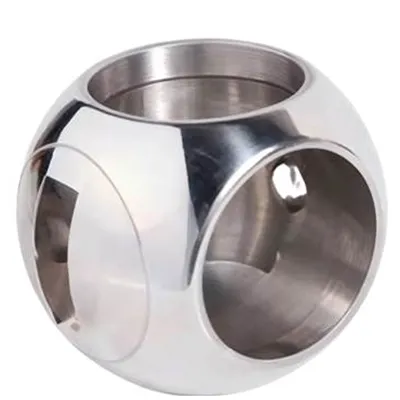
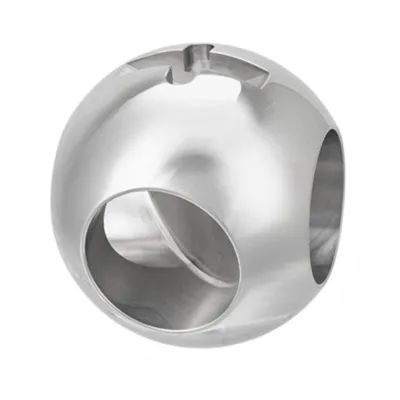
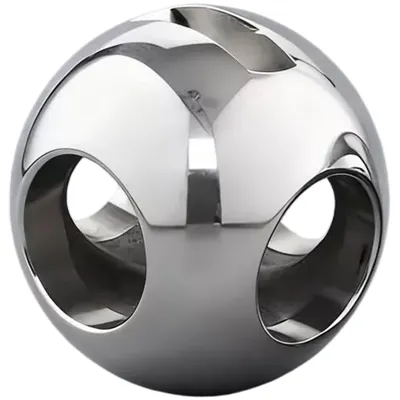
First off, let's understand what a Shunt Valve Ball is. A Shunt Valve Ball is a crucial component in many fluid control systems. It's designed to divert the flow of fluids, including gases, in a specific direction. You can learn more about it here: Shunt Valve Ball.
Now, when it comes to gas - resistance properties, there are several factors that come into play. One of the key aspects is the material of the Shunt Valve Ball. Different materials have different levels of resistance to various gases. For example, stainless steel is a popular choice for Shunt Valve Balls because it offers good resistance to many common gases. It's corrosion - resistant, which means it can withstand the chemical reactions that might occur when in contact with gases. This is especially important in industries where the gases can be corrosive, such as the chemical and petrochemical industries.
Another material option is ceramic. Ceramic Shunt Valve Balls have excellent gas - resistance properties. They are highly resistant to wear and tear, and they can handle high - temperature gases without deforming. This makes them ideal for applications where the gas flow is at high temperatures, like in some power generation plants.
The surface finish of the Shunt Valve Ball also plays a significant role in its gas - resistance. A smooth surface finish reduces the chances of gas molecules adhering to the ball. When gas molecules stick to the surface, it can lead to issues like clogging or reduced flow efficiency. So, we make sure that our Shunt Valve Balls have a high - quality surface finish to enhance their gas - resistance.
In addition to the material and surface finish, the design of the Shunt Valve Ball is also important. The shape and size of the ball can affect how well it can resist gas flow. For instance, a well - designed ball can ensure a smooth and consistent flow of gas through the valve, minimizing the chances of turbulence and pressure drops.
Let's compare Shunt Valve Balls with other types of valve balls, like Directional Valve Ball and High - pressure Valve Ball. Directional Valve Balls are mainly used for controlling the direction of fluid flow, while High - pressure Valve Balls are designed to withstand high - pressure environments. Shunt Valve Balls, on the other hand, focus on diverting the flow, and their gas - resistance properties are tailored to this specific function.
When it comes to testing the gas - resistance properties of our Shunt Valve Balls, we use a variety of methods. We conduct lab tests where we expose the balls to different gases under controlled conditions. We measure factors like gas leakage, corrosion rate, and changes in the physical properties of the ball over time. This helps us ensure that our Shunt Valve Balls meet the highest standards of gas - resistance.
In real - world applications, the gas - resistance of Shunt Valve Balls is crucial. In the oil and gas industry, for example, these balls are used in pipelines to control the flow of natural gas. If the Shunt Valve Ball doesn't have good gas - resistance, it can lead to gas leaks, which are not only dangerous but also costly. In the medical field, Shunt Valve Balls are used in devices that control the flow of gases in respiratory equipment. Here, the gas - resistance is essential to ensure the proper functioning of the equipment and the safety of the patients.
We also offer customization options for our Shunt Valve Balls. Depending on the specific gas and application requirements of our customers, we can adjust the material, surface finish, and design of the balls. This way, we can provide a solution that perfectly meets their needs in terms of gas - resistance.
If you're in the market for Shunt Valve Balls and are concerned about their gas - resistance properties, you've come to the right place. We have a wide range of Shunt Valve Balls that are designed to offer excellent gas - resistance. Whether you're in the chemical industry, power generation, or any other field that requires reliable gas flow control, we can provide the right Shunt Valve Ball for you.
So, if you're interested in learning more about our Shunt Valve Balls or want to discuss your specific requirements, don't hesitate to reach out. We're here to help you find the best solution for your gas - flow control needs.
References:


- Industry research on valve ball materials and their properties
- In - house testing reports on Shunt Valve Ball gas - resistance