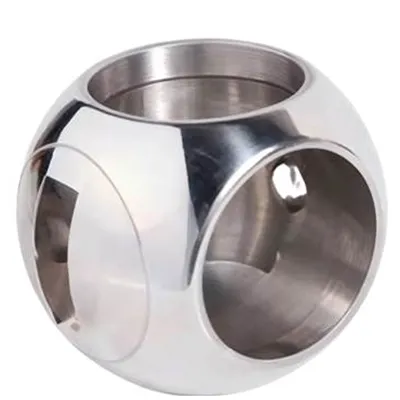
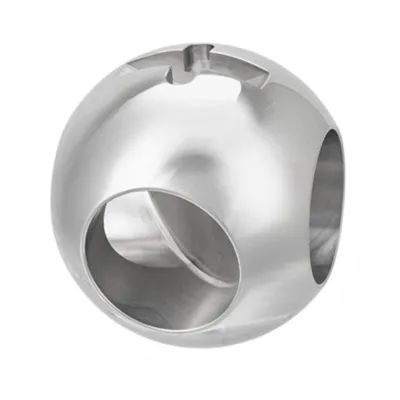
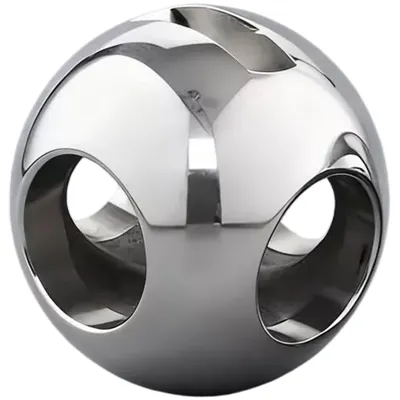
In the world of industrial components, valve balls play a crucial role in various applications, from plumbing systems to complex industrial machinery. As a supplier of Soft - Sealed Balls, I often get asked about the ease of transporting these products. In this blog, I'll delve into the factors that make Soft - Sealed Balls either easy or challenging to transport, compare them with their counterparts like Hard-sealed Valve Ball, and provide insights for potential buyers.
Understanding Soft - Sealed Balls
Soft - Sealed Balls are designed with a soft sealing material, such as rubber or elastomers, which provides a tight seal when the valve is closed. This type of sealing mechanism is preferred in applications where a high - level of leakage prevention is required, and where the valve may need to be opened and closed frequently. You can learn more about them on our Soft-Sealed Balls page.
Advantages of Transporting Soft - Sealed Balls
Lightweight Nature
One of the primary reasons Soft - Sealed Balls are relatively easy to transport is their lightweight construction. Compared to Hard - Sealed Valve Balls, which are often made of denser materials like metal alloys, Soft - Sealed Balls can be significantly lighter. This means that they require less energy to move, whether it's by truck, ship, or plane. Lower weight also translates to lower shipping costs, as most shipping carriers charge based on weight.
Flexibility in Packaging
Soft - Sealed Balls can be more easily packaged due to their relatively flexible nature. They can be placed in various types of packaging materials, such as plastic bags, foam inserts, or cardboard boxes. This flexibility allows for efficient use of space during transportation, reducing the overall volume of the shipment. For example, multiple Soft - Sealed Balls can be packed together in a single box with minimal risk of damage, as the soft sealing material can absorb some of the shock and vibrations during transit.
Reduced Risk of Damage
The soft sealing material of these balls acts as a natural buffer against impacts and vibrations. Unlike Hard - Sealed Valve Balls, which can be prone to chipping or cracking if not handled carefully, Soft - Sealed Balls are more forgiving. This reduces the risk of damage during transportation, which is a significant advantage for both suppliers and customers.
Challenges in Transporting Soft - Sealed Balls
Temperature Sensitivity
Soft - Sealed Balls are often sensitive to temperature changes. Extreme heat can cause the soft sealing material to expand or become sticky, while extreme cold can make it brittle. During transportation, it's crucial to ensure that the temperature is within an acceptable range. This may require special packaging or climate - controlled shipping methods, which can add to the cost and complexity of transportation.
Compatibility with Shipping Environments
The soft sealing material may be affected by certain chemicals or environmental factors. For example, exposure to harsh chemicals during shipping, such as cleaning agents or pollutants, can degrade the sealing material over time. Additionally, high humidity levels can also cause issues, such as mold growth or corrosion on the ball's surface. Therefore, it's essential to choose appropriate shipping methods and packaging to protect the Soft - Sealed Balls from these potential hazards.
Comparison with Hard - Sealed Valve Balls
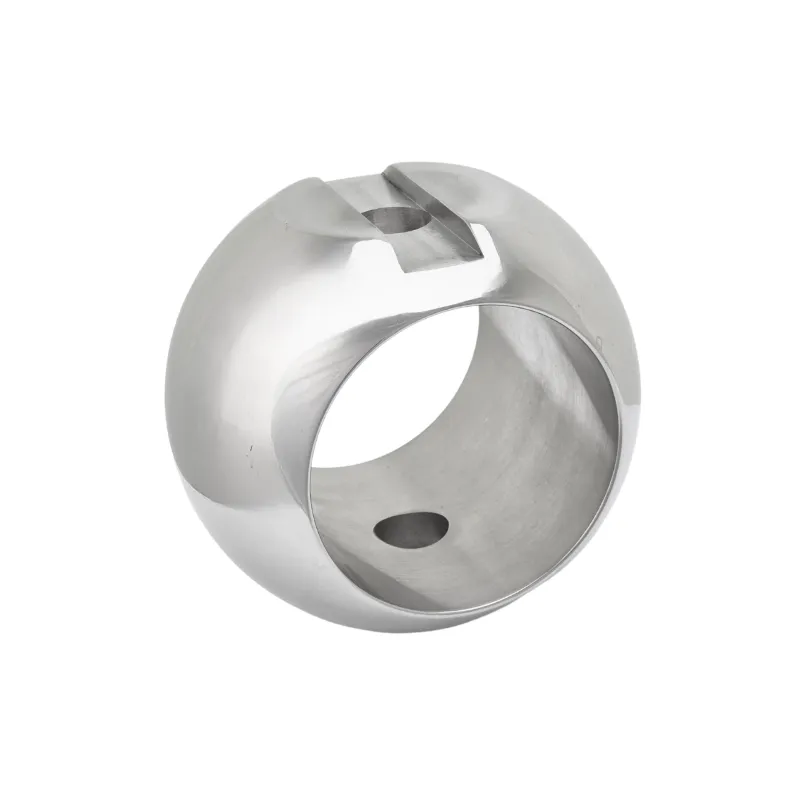
When comparing Soft - Sealed Balls with Hard-sealed Valve Ball, it's clear that each has its own advantages and disadvantages in terms of transportation. Hard - Sealed Valve Balls are generally more resistant to temperature changes and chemical exposure, but they are heavier and more prone to damage from impacts. On the other hand, Soft - Sealed Balls are lighter and more flexible, but they require more careful handling and protection during transportation.
Best Practices for Transporting Soft - Sealed Balls
Proper Packaging
As mentioned earlier, proper packaging is crucial for protecting Soft - Sealed Balls during transportation. Use high - quality packaging materials, such as shock - absorbing foam or padded envelopes, to prevent damage from impacts. Label the packages clearly with handling instructions, including information about temperature sensitivity and any special requirements.

Temperature Control
If transporting Soft - Sealed Balls in extreme temperatures, consider using climate - controlled shipping options. This may include insulated containers or refrigerated trucks. Monitoring the temperature during transit can also help ensure that the balls remain within the acceptable temperature range.
Handling and Storage
During loading and unloading, handle the Soft - Sealed Balls with care to avoid any unnecessary impacts or vibrations. Store the balls in a dry, clean environment before and after transportation to prevent damage from moisture or contaminants.
Conclusion
In conclusion, while Soft - Sealed Balls have some challenges in terms of transportation, they also offer several advantages that make them relatively easy to transport. Their lightweight nature, flexibility in packaging, and reduced risk of damage are significant benefits. However, it's essential to be aware of the temperature sensitivity and compatibility issues and take appropriate measures to ensure their safe transit.
If you're in the market for Soft - Sealed Balls, I encourage you to reach out to discuss your specific requirements. We have a wide range of Soft - Sealed Balls available, and our team of experts can provide you with the best solutions for your needs. Whether you're a small - scale business or a large industrial enterprise, we're here to help you make the right choice.
References
- Industrial Valve Handbook, various editions
- Packaging and Shipping Guidelines for Industrial Components, industry - specific publications