Hey there! I'm a supplier of T-Port Valve Balls, and today I'm gonna walk you through the process of installing a T-Port Valve Ball in a pipeline. It might sound a bit technical, but I'll break it down into simple steps so you can handle it like a pro.
Understanding T-Port Valve Balls
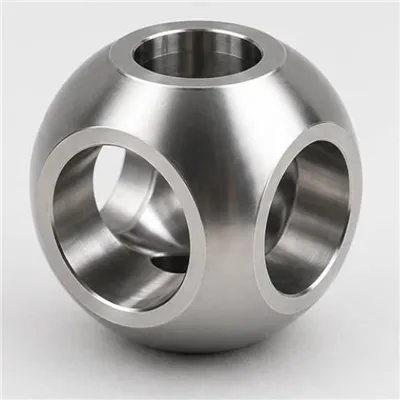
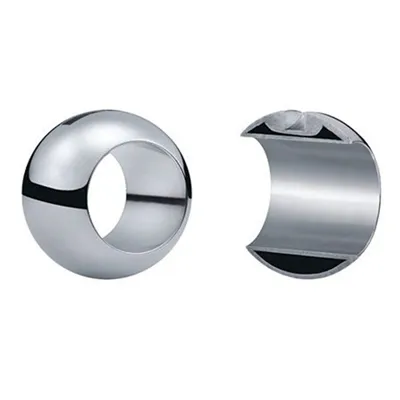
Before we jump into the installation process, let's quickly talk about what a T-Port Valve Ball is. A T-Port Valve Ball is a type of valve ball with a T-shaped port. It's used in pipelines to control the flow of fluids or gases. Unlike other types of valve balls, like the X-Port Valve Ball or the L-Port Valve Ball, the T-Port Valve Ball offers more flexibility in terms of flow direction. It can connect three different ports, allowing for complex flow patterns.
Tools and Materials You'll Need
To install a T-Port Valve Ball, you'll need a few tools and materials. Here's a list of what you'll need:
- T-Port Valve Ball: Of course, you'll need the valve ball itself. Make sure you choose the right size and material for your pipeline. You can check out our T-Port Valve Ball options on our website.
- Wrenches: You'll need a set of wrenches to tighten the bolts and nuts. Make sure you have the right size wrenches for your valve ball and pipeline.
- Sealant: A good sealant is essential to prevent leaks. Choose a sealant that's compatible with the material of your valve ball and pipeline.
- Gasket: A gasket is used to create a tight seal between the valve ball and the pipeline. Make sure you choose the right size and material for your gasket.
- Safety Gear: Safety should always be your top priority. Wear safety glasses, gloves, and other protective gear to prevent injuries.
Step-by-Step Installation Process
Now that you have all the tools and materials you need, let's get started with the installation process. Here are the steps you need to follow:
- Prepare the Pipeline: Before you install the T-Port Valve Ball, you need to prepare the pipeline. Make sure the pipeline is clean and free of debris. You can use a wire brush or a cleaning solution to clean the pipeline.
- Position the Valve Ball: Once the pipeline is clean, position the T-Port Valve Ball in the pipeline. Make sure the valve ball is aligned with the ports in the pipeline. You can use a level to ensure that the valve ball is level.
- Install the Gasket: Place the gasket on the flange of the valve ball. Make sure the gasket is centered and covers the entire flange. You can use a gasket sealant to ensure a tight seal.
- Attach the Valve Ball to the Pipeline: Use the wrenches to tighten the bolts and nuts that attach the valve ball to the pipeline. Make sure you tighten the bolts and nuts evenly to prevent leaks.
- Check for Leaks: Once the valve ball is installed, check for leaks. You can use a pressure gauge to check the pressure in the pipeline. If there are any leaks, tighten the bolts and nuts or replace the gasket.
- Test the Valve Ball: After you've checked for leaks, test the valve ball to make sure it's working properly. You can open and close the valve ball to check the flow of fluids or gases.
Tips and Tricks
Here are some tips and tricks to help you install a T-Port Valve Ball in a pipeline:
- Read the Manual: Before you start the installation process, make sure you read the manual that comes with the valve ball. The manual will provide you with detailed instructions on how to install the valve ball.
- Use the Right Tools: Make sure you use the right tools for the job. Using the wrong tools can damage the valve ball or the pipeline.
- Follow the Safety Guidelines: Always follow the safety guidelines when installing the valve ball. Wear safety glasses, gloves, and other protective gear to prevent injuries.
- Check the Alignment: Make sure the valve ball is aligned with the ports in the pipeline. Misalignment can cause leaks and other problems.
- Test the Valve Ball: After you've installed the valve ball, test it to make sure it's working properly. You can open and close the valve ball to check the flow of fluids or gases.
Conclusion
Installing a T-Port Valve Ball in a pipeline might seem like a daunting task, but it's actually quite simple if you follow the right steps. By using the right tools and materials, following the safety guidelines, and testing the valve ball, you can ensure a successful installation. If you have any questions or need help with the installation process, don't hesitate to contact us. We're here to help you every step of the way.


If you're interested in purchasing a T-Port Valve Ball or have any questions about our products, feel free to reach out to us. We'd love to discuss your needs and help you find the right valve ball for your pipeline.
References
- Manufacturer's Manual for T-Port Valve Balls
- Industry Standards for Valve Ball Installation