Hey there! As a supplier of Metal Seat Valve Balls, I've seen my fair share of issues with these little guys. In this blog, I'm gonna walk you through how to troubleshoot a metal seat valve ball. Whether you're a newbie in the industry or a seasoned pro, these tips should come in handy.
Understanding the Basics
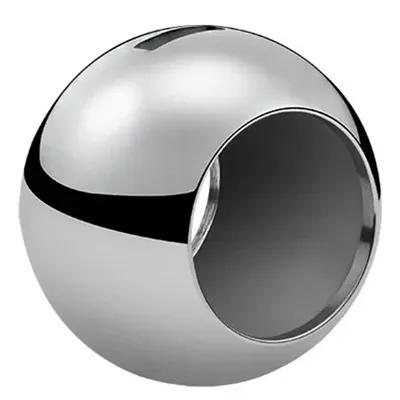
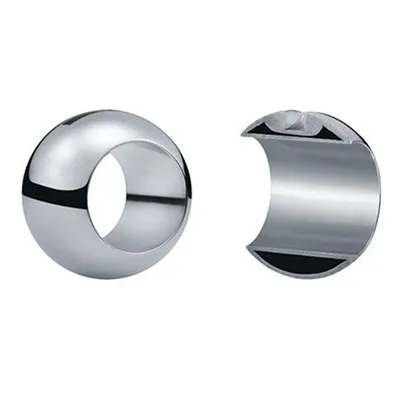
First off, let's talk about what a metal seat valve ball is and how it works. A metal seat valve ball is a crucial component in many industrial applications. It's used to control the flow of fluids or gases in a pipeline. The ball has a hole in the middle, and when it's turned, it either allows the flow to pass through or blocks it.
There are different types of metal seat valve balls, each made from various materials. For example, you've got the A105 Valve Ball, which is made from A105 carbon steel. It's known for its strength and durability. Then there's the Stainless Steel Valve Ball, which is resistant to corrosion and is great for applications where the fluid or gas might be corrosive. And don't forget the Monel Valve Ball, which is made from a nickel-copper alloy and is highly resistant to both corrosion and high temperatures.
Common Problems and How to Fix Them
Leakage
One of the most common problems with metal seat valve balls is leakage. If you notice that there's a leak around the valve, it could be due to a few reasons.


- Worn Seats: Over time, the seats of the valve ball can wear out. This can happen due to constant friction from the ball moving back and forth. To fix this, you'll need to replace the seats. Make sure you get the right size and material for your valve ball.
- Damaged Ball: If the ball itself is damaged, it won't seal properly, leading to leakage. Inspect the ball for any cracks or chips. If you find any, you'll need to replace the ball.
- Loose Bolts: Sometimes, the bolts that hold the valve together can become loose. Check the bolts and tighten them if necessary.
Difficulty in Turning
Another issue you might encounter is difficulty in turning the valve ball. This can be really frustrating, especially if you need to adjust the flow quickly.
- Lack of Lubrication: If the valve ball isn't properly lubricated, it can become stiff and hard to turn. Apply a suitable lubricant to the ball and the seats. Make sure you use a lubricant that's compatible with the material of the valve ball.
- Debris in the Valve: Debris can get into the valve and prevent the ball from turning smoothly. Remove the valve and clean it thoroughly. Check for any foreign objects and remove them.
- Misaligned Parts: If the parts of the valve are misaligned, it can cause the ball to bind. Check the alignment of the valve components and adjust them if necessary.
Noise
If you hear strange noises coming from the valve, it could be a sign of a problem.
- Vibration: Excessive vibration can cause the valve to make noise. Check if the valve is properly installed and secured. You might need to add some vibration dampening materials to reduce the noise.
- Worn Components: Worn seats or balls can also cause noise. As mentioned earlier, inspect the components and replace them if needed.
Preventive Maintenance
To avoid these problems in the first place, it's important to perform regular preventive maintenance on your metal seat valve balls.
- Inspect Regularly: Check the valve balls and seats for any signs of wear or damage on a regular basis. This can help you catch problems early and prevent them from getting worse.
- Clean and Lubricate: Keep the valve clean and well-lubricated. This will ensure smooth operation and extend the lifespan of the valve.
- Follow Manufacturer's Guidelines: Make sure you follow the manufacturer's guidelines for installation, operation, and maintenance. This will help you get the most out of your valve balls.
Conclusion
Troubleshooting a metal seat valve ball isn't rocket science, but it does require a bit of knowledge and some basic tools. By understanding the common problems and how to fix them, you can keep your valves in top shape and avoid costly downtime.
If you're in the market for high-quality metal seat valve balls, we're here to help. We offer a wide range of valve balls made from different materials to suit your specific needs. Whether you need an A105 Valve Ball, a Stainless Steel Valve Ball, or a Monel Valve Ball, we've got you covered.
If you have any questions or want to discuss your requirements, feel free to reach out. We're always happy to help you find the right valve ball for your application.
References
- "Valve Handbook" by Valve Manufacturers Association
- "Industrial Valves: Selection, Installation, and Maintenance" by various industry experts