Hey there! As a valve seat supplier, I've seen firsthand how crucial the interaction between a valve seat and the valve is in various industrial applications. Let's dive into the nitty - gritty of how these two components work together.
The Basics of Valve Seats and Valves
First off, let's get a clear understanding of what a valve seat and a valve are. A Valve Seat is a critical part of a valve assembly. It's the surface against which the valve closes to prevent the flow of fluid or gas. On the other hand, the valve is the moving part that either allows or restricts the flow.
Valve seats come in different shapes and materials, depending on the application. Common materials include stainless steel, bronze, and various types of polymers. The choice of material is based on factors like the type of fluid or gas being handled, the pressure and temperature conditions, and the required level of corrosion resistance.
How They Interact Mechanically
When the valve is in the open position, there's a gap between the valve and the valve seat. This allows the fluid or gas to flow freely through the Valve Body. But when it's time to stop the flow, the valve moves towards the valve seat.
The interaction between the valve and the valve seat is all about creating a tight seal. The valve has to make full contact with the valve seat to prevent any leakage. This is where the design of the valve seat becomes super important. A well - designed valve seat has a smooth and even surface. Any irregularities on the seat can lead to a poor seal, which means leakage.
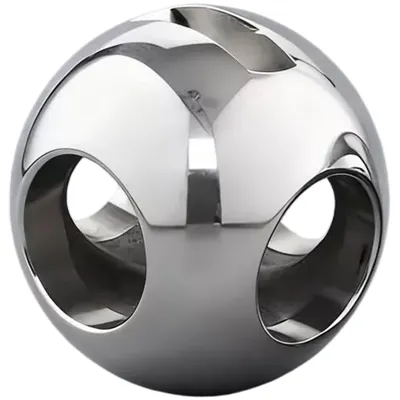
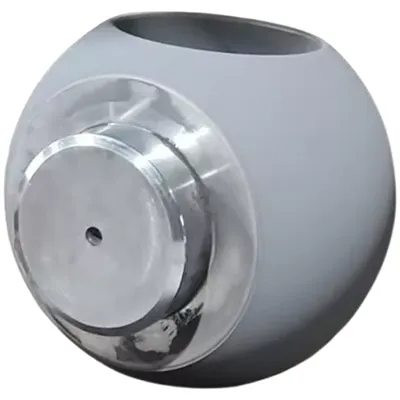
For example, in a ball valve, the ball (the valve) rotates to open or close the flow. When it closes, the spherical surface of the ball presses against the valve seat. The valve seat has to be shaped in such a way that it matches the curvature of the ball perfectly. If there's a mismatch, even a tiny one, it can cause problems.
The Role of Pressure
Pressure plays a huge role in the interaction between the valve and the valve seat. When there's high pressure on the fluid or gas side, the valve is pushed harder against the valve seat. This helps to create a better seal. But it also means that the valve seat has to be able to withstand the pressure without deforming.
If the pressure is too high and the valve seat isn't strong enough, it can get damaged. This can lead to permanent leakage, which is a big no - no in most industrial settings. That's why we, as valve seat suppliers, carefully select materials and design the seats to handle the expected pressure levels.


Temperature Effects
Temperature is another factor that affects the interaction between the valve and the valve seat. Different materials expand and contract at different rates when the temperature changes. If the valve and the valve seat are made of materials with different thermal expansion coefficients, it can cause problems.
For instance, if the valve seat expands more than the valve when the temperature rises, the seal might become too tight. This can make it difficult to open the valve. On the other hand, if the valve seat contracts more than the valve when the temperature drops, there could be a gap, leading to leakage.
To deal with these temperature - related issues, we often use materials that have similar thermal expansion properties. We also design the valve seats with some flexibility to accommodate minor changes in temperature.
Wear and Tear
Over time, the constant opening and closing of the valve against the valve seat can cause wear and tear. The friction between the two components can gradually erode the surface of the valve seat. This is especially true in applications where there are abrasive particles in the fluid or gas.
To reduce wear, we can use hard - facing materials on the valve seat. These are special coatings that are very resistant to abrasion. We can also design the valve and the valve seat in a way that minimizes the contact area during the opening and closing process.
Lubrication
Lubrication can also play a role in the interaction between the valve and the valve seat. In some applications, a small amount of lubricant can be used to reduce friction. This not only helps to prevent wear but also makes it easier to open and close the valve.
However, the choice of lubricant is important. It has to be compatible with the fluid or gas being handled and the materials of the valve and the valve seat. Otherwise, it can cause chemical reactions that lead to corrosion or other problems.
Importance of a Good Interaction
A proper interaction between the valve and the valve seat is crucial for the efficient and safe operation of any valve system. A good seal ensures that there's no leakage, which is important for maintaining the pressure and flow rate of the fluid or gas. It also helps to prevent contamination and damage to other parts of the system.
In industries like oil and gas, chemical processing, and power generation, a faulty valve - seat interaction can lead to serious accidents. That's why it's so important to choose high - quality valve seats and make sure they are installed and maintained correctly.
Our Role as a Valve Seat Supplier
As a valve seat supplier, we understand the importance of providing high - quality products. We use advanced manufacturing techniques to ensure that our valve seats have the right shape, surface finish, and material properties.
We also offer customization services. Every application is different, and we know that one size doesn't fit all. So, we work closely with our customers to understand their specific requirements and design valve seats that meet those needs.
If you're in the market for valve seats, we'd love to have a chat with you. Whether you need a standard valve seat or a custom - designed one, we can help. Contact us to start a procurement discussion, and let's find the perfect valve seat solution for your application.
References
- "Valve Handbook" by J. E. O. May.
- "Industrial Valve Technology" by various industry experts.