Can a worn-out valve seat increase emissions?
As a valve seat supplier, I've witnessed firsthand the critical role that valve seats play in the proper functioning of engines and other mechanical systems. One question that often arises is whether a worn-out valve seat can increase emissions. In this blog post, I'll explore this topic in detail, drawing on my industry experience and scientific knowledge.
Understanding Valve Seats
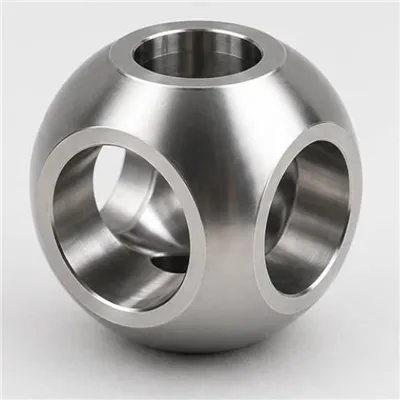
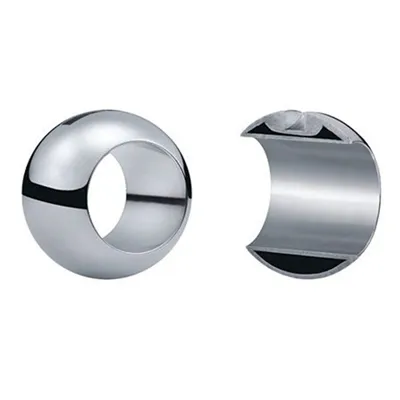
Before delving into the relationship between worn-out valve seats and emissions, it's essential to understand what valve seats are and how they function. A Valve Seat is a critical component of an engine's valve train. It provides a sealing surface for the valve, ensuring that the combustion chamber is properly sealed during the intake and exhaust strokes. When the valve is closed, the valve seat prevents the leakage of gases, allowing the engine to operate efficiently.
The Impact of Worn-Out Valve Seats on Emissions
When a valve seat becomes worn, it can have a significant impact on the engine's performance and emissions. Here's how:
1. Leakage of Combustion Gases
One of the primary functions of a valve seat is to create a tight seal between the valve and the cylinder head. When the valve seat is worn, it can no longer provide an effective seal, allowing combustion gases to leak past the valve. This leakage can lead to incomplete combustion, as the fuel-air mixture is not properly contained within the combustion chamber. Incomplete combustion results in the production of unburned hydrocarbons (HC), carbon monoxide (CO), and nitrogen oxides (NOx), all of which are harmful pollutants.
2. Reduced Compression
A worn valve seat can also cause a reduction in engine compression. Compression is essential for the efficient operation of an engine, as it allows the fuel-air mixture to be compressed to a high pressure before ignition. When the valve seat is worn, the compression ratio is reduced, which can lead to a decrease in engine power and efficiency. In addition, a lower compression ratio can also result in incomplete combustion, leading to increased emissions.
3. Valve Overheating
Worn valve seats can cause the valves to overheat. When the valve seat is not providing a proper seal, the hot combustion gases can come into contact with the valve stem, causing it to heat up. Overheating can lead to valve damage, such as warping or cracking, which can further exacerbate the problem of emissions.
Scientific Evidence
Numerous studies have been conducted to investigate the relationship between worn-out valve seats and emissions. These studies have consistently shown that worn valve seats can significantly increase emissions of HC, CO, and NOx. For example, a study published in the Journal of Automotive Engineering found that engines with worn valve seats had up to 50% higher emissions of HC and CO compared to engines with new valve seats.
Preventing and Addressing Worn Valve Seats
As a valve seat supplier, I understand the importance of preventing and addressing worn valve seats to reduce emissions and improve engine performance. Here are some tips:
1. Regular Maintenance
Regular maintenance is crucial for preventing valve seat wear. This includes changing the engine oil and filters at the recommended intervals, as well as inspecting the valve seats for signs of wear during routine engine tune-ups.
2. Quality Valve Seats
Using high-quality valve seats is essential for ensuring long-term performance and durability. At our company, we offer a wide range of valve seats made from high-quality materials, such as stainless steel and bronze, that are designed to withstand the harsh conditions of engine operation.


3. Professional Installation
Proper installation of valve seats is critical for ensuring a proper seal and preventing leakage. It's important to have valve seats installed by a qualified mechanic who has the necessary tools and expertise.
Conclusion
In conclusion, a worn-out valve seat can indeed increase emissions. The leakage of combustion gases, reduced compression, and valve overheating caused by worn valve seats can lead to incomplete combustion and the production of harmful pollutants. As a valve seat supplier, I'm committed to providing high-quality valve seats and promoting proper maintenance and installation practices to help reduce emissions and improve engine performance.
If you're interested in learning more about our valve seats or have any questions about emissions and engine performance, please don't hesitate to contact us. We'd be happy to discuss your needs and provide you with the information and support you need to make an informed decision.
References
- Journal of Automotive Engineering, "The Impact of Worn Valve Seats on Engine Emissions"
- Society of Automotive Engineers (SAE) Technical Papers, "Valve Seat Wear and Its Effects on Engine Performance"
- Automotive Research Council, "Reducing Emissions through Proper Valve Seat Maintenance"