Are there any international standards for valve balls? Well, that's a question I get asked a lot as a valve balls supplier. And the answer is kind of yes and no. Let me break it down for you.


The Basics of Valve Balls
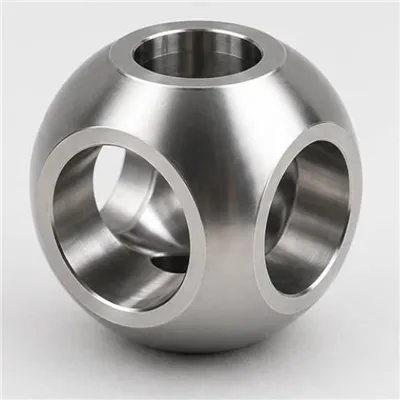
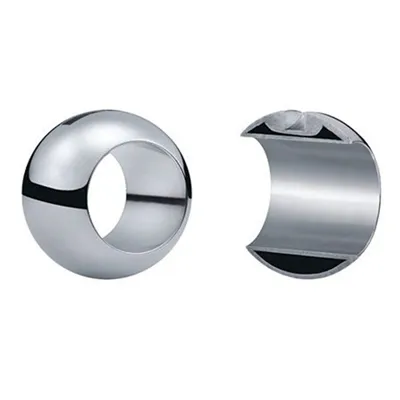
First off, let's talk about what valve balls are. They're key components in ball valves, which are used in a whole bunch of industries, from oil and gas to water treatment and beyond. These balls are designed to control the flow of liquids or gases through the valve. When the ball is turned, it either allows the flow to pass through or blocks it off completely.
There are different types of valve balls we offer, like Chromium Carbide (CRC) Valve Ball, Electroless Nickel Plated (ENP) Valve Ball, and Trunnion Valve Ball. Each type has its own unique features and applications, but all share the common goal of ensuring reliable flow control.
International Standards - What's Out There?
Now, when it comes to international standards, there are indeed some guidelines that valve ball manufacturers often follow. One of the most well - known standards is from ISO (International Organization for Standardization). ISO has a set of standards related to valve technology, which can indirectly influence the design and manufacturing of valve balls.
For example, ISO 17292 gives general guidelines for ball valves used in the petroleum, petrochemical, and associated industries. This standard covers aspects like dimensions, materials, and pressure ratings. While it doesn't specifically go into every tiny detail of valve balls, the requirements for the overall valve performance have an impact on how the valve balls are made.
Another important standard is API (American Petroleum Institute) standards. API standards are widely recognized in the oil and gas industry. API 6D, for instance, is relevant for pipeline valves, including those with valve balls. It sets requirements for design, manufacturing, testing, and marking of these valves. Meeting API standards is crucial for valve ball suppliers who want to serve the oil and gas market, as it ensures the valves can withstand the harsh conditions of oil and gas production and transportation.
Why International Standards Matter
International standards are super important for a few reasons. First of all, they ensure quality and reliability. When a valve ball manufacturer follows these standards, you can be pretty sure that the product is going to work as it should. It means that the ball will have the right dimensions, so it will fit properly into the valve body and provide a good seal.
Standards also help with compatibility. In a global market, different components need to work together. If a valve ball is made to meet international standards, it's more likely to be compatible with other parts of the valve system, no matter where the parts are from.
For us as a supplier, adhering to these standards is a sign of our commitment to quality. Customers can trust that when they buy our valve balls, they're getting a product that meets recognized industry norms.
Challenges in Meeting Standards
But it's not all easy - peasy when it comes to meeting these international standards. One of the biggest challenges is the constant evolution of the standards themselves. As technology advances and industries face new challenges, the standards need to be updated. This means that we as a supplier have to invest in research and development to keep up with the changes.
Another challenge is the cost. Meeting high - end international standards often requires better materials, more precise manufacturing processes, and rigorous testing. All of these things add up in terms of cost. However, we believe that in the long run, the cost is worth it because it leads to better - quality products and happier customers.
Our Approach as a Supplier
At our company, we take international standards very seriously. We have a team of experts who keep a close eye on the latest standards and make sure that our manufacturing processes are up - to - date.
We use high - quality materials in the production of our valve balls. For example, our Chromium Carbide (CRC) Valve Ball is made with a special coating that provides excellent wear and corrosion resistance. This is in line with the requirements of many international standards for valves used in harsh environments.
Our Electroless Nickel Plated (ENP) Valve Ball also meets strict quality criteria. The electroless nickel plating process is carefully controlled to ensure a uniform and durable coating, which is crucial for the long - term performance of the valve ball.
As for our Trunnion Valve Ball, we design and manufacture it according to the relevant dimensions and strength requirements specified in industry standards. This ensures that it can handle high - pressure applications safely and efficiently.
The Future of Valve Ball Standards
Looking ahead, I think we'll see even more emphasis on international standards for valve balls. With the growth of the global economy and the increasing demand for reliable and efficient valve systems, the need for standardized products will only become more pronounced.
There will also likely be more focus on environmental and safety aspects in the standards. For example, valves and valve balls used in industries that deal with hazardous materials will need to meet stricter safety and leakage - prevention standards.
Let's Connect
If you're in the market for high - quality valve balls that meet international standards, we'd love to hear from you. Whether you're working on a small - scale water treatment project or a large - scale oil and gas operation, we have the valve balls to suit your needs. Reach out to us to start a conversation about your specific requirements and how we can help you with your valve ball procurement.
References
- ISO 17292: Petroleum, petrochemical and natural gas industries - Ball valves
- API 6D: Pipeline valves - Specification for pipeline valves