Can a valve ball with handle be used for drinking water systems?
In the world of plumbing and water systems, the choice of components is crucial, especially when it comes to drinking water systems. As a supplier of valve balls with handles, I often get asked whether these products are suitable for use in drinking water applications. In this blog post, I'll explore the key factors to consider and provide insights into the viability of using valve balls with handles in drinking water systems.
Understanding Valve Balls with Handles
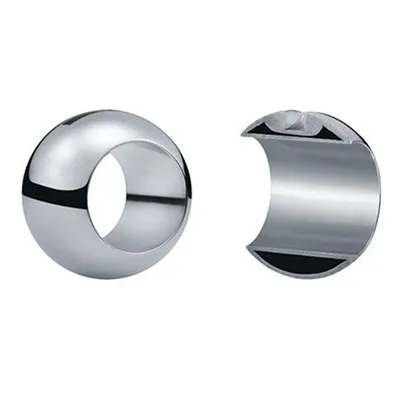
Valve balls with handles are a common type of valve used in various fluid control applications. They consist of a spherical ball with a hole through the center, which can be rotated using the handle to control the flow of fluid. These valves are known for their simplicity, reliability, and ease of operation. They come in different types, including Three-way Valve Ball, Fixed Valve Ball, and Floating Valve Ball, each with its own unique features and applications.
Material Considerations
One of the most important factors to consider when using a valve ball with handle in a drinking water system is the material of the valve. The valve must be made of materials that are safe for contact with drinking water. Common materials used for valve balls include stainless steel, brass, and PVC.
Stainless steel is a popular choice for drinking water applications due to its corrosion resistance and durability. It is also non-toxic and does not leach harmful substances into the water. Brass is another commonly used material, but it is important to ensure that the brass used is lead-free, as lead can be harmful if it leaches into the drinking water. PVC is a cost-effective option, but it may not be suitable for high-temperature applications.


Regulatory Compliance
In addition to material considerations, valve balls with handles used in drinking water systems must comply with relevant regulations and standards. In the United States, the Safe Drinking Water Act (SDWA) sets standards for the quality of drinking water and regulates the use of materials in contact with drinking water. The National Sanitation Foundation (NSF) also provides certification for products that meet specific health and safety standards.
When selecting a valve ball with handle for a drinking water system, it is important to choose a product that is NSF-certified. This ensures that the valve has been tested and meets the necessary standards for use in drinking water applications.
Performance and Functionality
Another important factor to consider is the performance and functionality of the valve ball with handle. The valve should be able to provide reliable and precise control of the water flow. It should also be able to withstand the pressure and temperature conditions of the drinking water system.
The handle of the valve should be easy to operate and provide a comfortable grip. It should also be able to withstand repeated use without breaking or becoming loose. Additionally, the valve should be able to seal effectively to prevent leaks.
Maintenance and Durability
Proper maintenance is essential for ensuring the long-term performance and durability of a valve ball with handle in a drinking water system. Regular inspection and cleaning can help prevent the buildup of sediment and debris, which can affect the performance of the valve.
It is also important to replace the valve if it shows signs of wear or damage. This can help prevent leaks and ensure the continued safe operation of the drinking water system.
Advantages of Using Valve Balls with Handles in Drinking Water Systems
There are several advantages to using valve balls with handles in drinking water systems. Firstly, they are easy to operate, allowing for quick and precise control of the water flow. This is especially important in situations where rapid shut-off or adjustment of the water flow is required.
Secondly, valve balls with handles are generally reliable and durable. They can withstand the rigors of daily use and are less likely to fail compared to other types of valves. This makes them a cost-effective choice for drinking water systems.
Finally, valve balls with handles are available in a variety of sizes and configurations, making them suitable for a wide range of drinking water applications. Whether you need a valve for a small residential system or a large commercial installation, there is a valve ball with handle that can meet your needs.
Conclusion
In conclusion, valve balls with handles can be used for drinking water systems, provided that they are made of suitable materials, comply with relevant regulations, and offer reliable performance. As a supplier of valve balls with handles, I am committed to providing high-quality products that meet the needs of our customers in the drinking water industry.
If you are considering using a valve ball with handle in your drinking water system, I encourage you to contact me to discuss your specific requirements. Our team of experts can help you select the right valve for your application and provide you with the support and guidance you need to ensure a successful installation.
Let's work together to ensure the safety and reliability of your drinking water system.
References
- Safe Drinking Water Act (SDWA)
- National Sanitation Foundation (NSF) standards