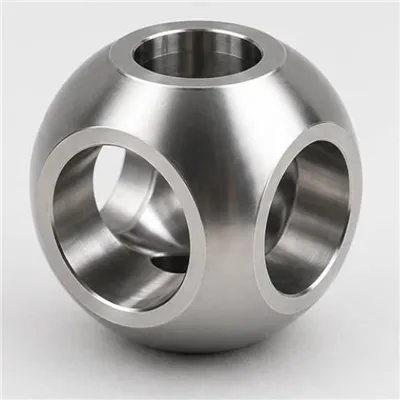
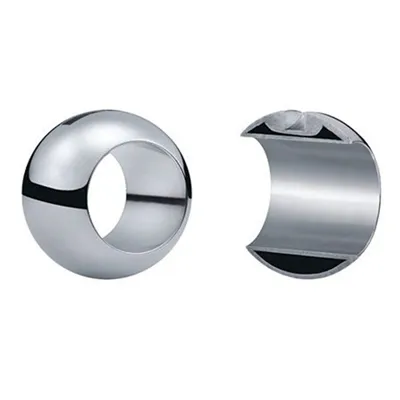
In the realm of industrial applications, valves play a pivotal role in controlling the flow of various substances, and the valve ball is a critical component within these valves. When it comes to acidic environments, the performance of the valve ball becomes even more crucial. As a trusted supplier of Inconel Alloy Valve Balls, I am excited to delve into how these valve balls perform in acidic settings.
Understanding Inconel Alloy Valve Balls
Inconel alloys are a family of nickel - chromium - based superalloys known for their excellent corrosion resistance, high - temperature strength, and good mechanical properties. Inconel Alloy Valve Balls are crafted from these alloys, which gives them a distinct edge in harsh operating conditions.
The unique chemical composition of Inconel alloys, with a high percentage of nickel and chromium, provides a passive oxide layer on the surface of the valve ball. This layer acts as a protective shield, preventing the underlying metal from reacting with the acidic medium. For instance, Inconel 625, one of the most commonly used alloys for valve balls, contains approximately 60% nickel, 22% chromium, and significant amounts of molybdenum and niobium. The chromium in the alloy forms a chromium oxide layer, which is highly stable and resistant to corrosion.
Performance in Acidic Environments
Resistance to General Corrosion
In acidic environments, general corrosion is a major concern. Acids can react with metals, causing them to dissolve over time. However, Inconel Alloy Valve Balls exhibit remarkable resistance to general corrosion. The passive oxide layer on the surface of the valve ball acts as a barrier, slowing down or even preventing the reaction between the acid and the metal.
For example, in a sulfuric acid environment, Inconel Alloy Valve Balls can maintain their integrity for extended periods. Sulfuric acid is a strong acid that can corrode many common metals rapidly. But the Inconel alloy's resistance to sulfuric acid corrosion is due to the formation of a stable chromium oxide layer, which inhibits the dissolution of the metal in the acid.
Resistance to Pitting and Crevice Corrosion
Pitting and crevice corrosion are localized forms of corrosion that can cause significant damage to valve balls. Pitting occurs when small holes or pits form on the surface of the metal, while crevice corrosion happens in narrow gaps or crevices where the acid can become concentrated.


Inconel Alloy Valve Balls are highly resistant to pitting and crevice corrosion. The high molybdenum content in some Inconel alloys, such as Inconel 625, enhances their resistance to these forms of corrosion. Molybdenum helps to stabilize the passive oxide layer and prevents the breakdown of the layer in aggressive acidic environments.
Performance at High Temperatures
In many industrial processes involving acidic substances, high temperatures are also present. Inconel Alloy Valve Balls can withstand high - temperature acidic environments without significant degradation. The high - temperature strength of Inconel alloys allows the valve balls to maintain their shape and mechanical properties even at elevated temperatures.
For example, in a chemical plant where hot hydrochloric acid is being processed, Inconel Alloy Valve Balls can operate effectively at temperatures up to several hundred degrees Celsius. The alloy's ability to resist thermal expansion and maintain its strength at high temperatures ensures that the valve ball functions properly and does not fail due to thermal stress.
Comparison with Other Valve Ball Materials
While Inconel Alloy Valve Balls offer excellent performance in acidic environments, it is important to compare them with other types of valve balls.
Chromium Carbide (CRC) Valve Ball
Chromium Carbide (CRC) Valve Ball is another option for use in acidic environments. CRC valve balls are coated with a layer of chromium carbide, which provides good wear resistance. However, in highly acidic environments, the coating may be susceptible to corrosion over time. Inconel Alloy Valve Balls, on the other hand, have inherent corrosion resistance due to their alloy composition, which may offer better long - term performance in acidic settings.
Stellite Overlay Welded (STL) Valve Ball
Stellite Overlay Welded (STL) Valve Ball is known for its hardness and wear resistance. Stellite is a cobalt - based alloy that is often used in valve applications. While STL valve balls can perform well in some acidic environments, they may not have the same level of corrosion resistance as Inconel Alloy Valve Balls. The high nickel and chromium content in Inconel alloys gives them an advantage in terms of corrosion protection.
Tungsten Carbide (TCC) Valve Ball
Tungsten Carbide (TCC) Valve Ball is a popular choice for applications requiring high wear resistance. However, in acidic environments, the tungsten carbide coating may be vulnerable to corrosion. Inconel Alloy Valve Balls, with their inherent corrosion - resistant properties, are a more suitable option for long - term use in acidic conditions.
Real - World Applications
Inconel Alloy Valve Balls are widely used in various industries where acidic environments are prevalent.
Chemical Industry
In the chemical industry, Inconel Alloy Valve Balls are used in processes involving the handling of acids such as sulfuric acid, hydrochloric acid, and nitric acid. They are used in valves that control the flow of these acids in pipelines, reactors, and storage tanks. The corrosion resistance of Inconel Alloy Valve Balls ensures the reliable operation of these valves and prevents leaks and failures.
Oil and Gas Industry
In the oil and gas industry, Inconel Alloy Valve Balls are used in offshore platforms and refineries. They are exposed to acidic substances such as hydrogen sulfide and carbon dioxide, which can cause corrosion in valves. The high - performance Inconel Alloy Valve Balls can withstand these harsh conditions and ensure the safe and efficient operation of the valves.
Conclusion
Inconel Alloy Valve Balls offer outstanding performance in acidic environments. Their resistance to general corrosion, pitting, crevice corrosion, and high - temperature acidic conditions makes them an ideal choice for various industrial applications. Compared to other valve ball materials, Inconel Alloy Valve Balls provide better long - term corrosion protection.
If you are in need of high - quality Inconel Alloy Valve Balls for your acidic environment applications, we are here to assist you. Our team of experts can provide you with detailed information and help you select the right valve balls for your specific needs. Contact us to start a discussion about your procurement requirements.
References
- ASM Handbook, Volume 13A: Corrosion: Fundamentals, Testing, and Protection. ASM International.
- "Corrosion Resistance of Inconel Alloys in Acidic Media" - Journal of Materials Science and Technology.
- "Valve Design and Selection" - Engineering Handbook for Valve Applications.