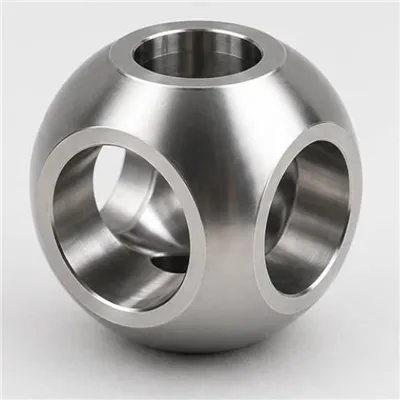
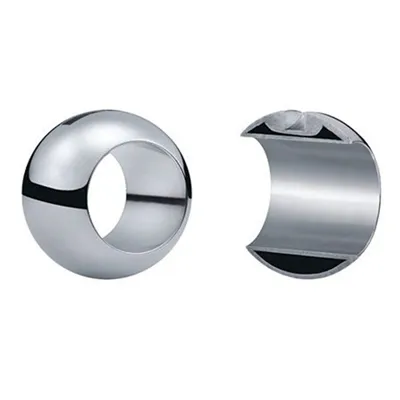
Hey there! As a supplier of Inconel Alloy Valve Balls, I know how crucial it is to ensure top - notch quality. In this blog, I'll share some tips on how to inspect the quality of Inconel Alloy Valve Balls.
1. Visual Inspection
First off, let's start with the simplest yet very important step - visual inspection. You don't need any fancy equipment for this one. Just take a good look at the valve ball. Check for any visible cracks, scratches, or surface defects. A smooth and uniform surface is a good sign. If you see any rough spots, it could indicate problems during the manufacturing process.
For example, if there are small cracks on the surface, it might lead to leakage or even failure of the valve in the long run. And scratches can cause wear and tear over time, reducing the lifespan of the valve ball. So, a thorough visual check is a must.
2. Dimensional Accuracy
Next up is dimensional accuracy. Inconel Alloy Valve Balls need to have precise dimensions to fit perfectly into the valve assembly. You can use tools like calipers or micrometers to measure the diameter, roundness, and other key dimensions.
The diameter should be within the specified tolerance range. Even a small deviation can affect the valve's performance. For instance, if the ball is slightly larger than it should be, it might not rotate smoothly inside the valve, causing friction and potentially damaging the valve seat. On the other hand, a ball that is too small can lead to leakage.
3. Material Composition Analysis
The quality of an Inconel Alloy Valve Ball is highly dependent on its material composition. You can use techniques like spectroscopy to analyze the elements present in the alloy. Inconel alloys are known for their high - strength and corrosion - resistant properties, so it's important to make sure the right elements are in the right proportions.
For example, nickel is a key component in Inconel alloys. If the nickel content is too low, the valve ball might not have the desired corrosion resistance. And other elements like chromium and molybdenum also play important roles in enhancing the alloy's properties.
4. Hardness Testing
Hardness is another crucial factor. A hard valve ball can withstand more wear and tear, which is especially important in high - pressure and high - temperature applications. You can use a hardness tester to measure the hardness of the valve ball.
There are different hardness scales, such as Rockwell or Brinell. The hardness value should be within the specified range for the particular Inconel alloy. If the ball is too soft, it can deform easily under pressure, while an overly hard ball might be brittle and prone to cracking.
5. Surface Finish
The surface finish of the valve ball can significantly impact its performance. A smooth surface finish reduces friction and wear, allowing the ball to rotate freely inside the valve. You can use surface roughness measuring instruments to check the surface finish.
A good surface finish also helps prevent the accumulation of debris and contaminants, which can cause blockages and affect the valve's operation. So, make sure the surface finish meets the required standards.
6. Pressure Testing
Pressure testing is an important step to ensure the valve ball can withstand the operating pressures. You can subject the valve ball to a specified pressure in a test chamber and check for any signs of leakage or deformation.
If the valve ball fails the pressure test, it clearly indicates a quality issue. This could be due to a defect in the material or the manufacturing process. Pressure testing helps identify potential problems before the valve is installed in a real - world application.
7. Comparison with Standards
It's always a good idea to compare the Inconel Alloy Valve Ball with industry standards. There are various standards set by organizations like ASTM (American Society for Testing and Materials) that define the requirements for valve balls.
By comparing your product with these standards, you can ensure that it meets the necessary quality criteria. This also gives you an edge in the market, as customers are more likely to trust products that comply with recognized standards.
Related Products
If you're also interested in other types of valve balls, we have some great options. Check out our Tungsten Carbide (TCC) Valve Ball, Hard Chrome Plated Valve Ball, and Chromium Carbide (CRC) Valve Ball. These valve balls also offer excellent performance and quality.


Conclusion
Inspecting the quality of Inconel Alloy Valve Balls is a multi - step process that requires attention to detail. By following these steps, you can ensure that the valve balls you supply or purchase are of the highest quality. If you're in the market for high - quality Inconel Alloy Valve Balls, feel free to reach out for a purchase and negotiation. We're here to provide you with the best products and services.
References
- ASTM International standards related to valve balls
- Technical literature on Inconel alloys and valve manufacturing