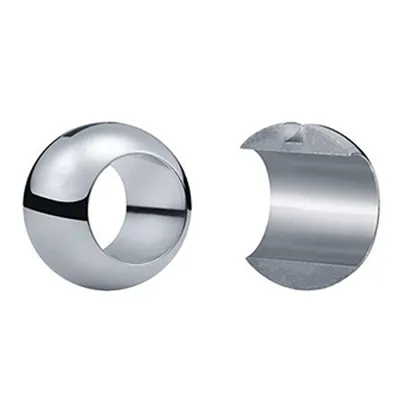
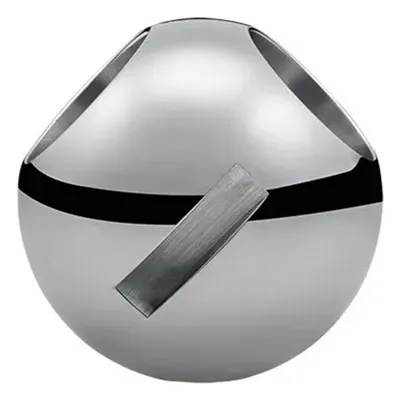
When it comes to valve applications in high - altitude environments, one question that often arises is whether a hard - sealed valve ball can be used effectively. As a supplier of Hard-sealed Valve Ball, I have in - depth knowledge of this topic and would like to share my insights.
Characteristics of High - altitude Environments
High - altitude environments present a unique set of challenges for mechanical equipment. The most prominent factors include low air pressure, low temperature, and high levels of ultraviolet radiation.
Low air pressure at high altitudes means that there is less atmospheric force acting on the equipment. This can have a significant impact on the sealing performance of valves. In a normal - pressure environment, the external air pressure helps to keep the valve components in place and maintain a good seal. However, in a high - altitude environment, the reduced pressure may cause leaks if the valve is not properly designed.
Low temperatures are another critical factor. As altitude increases, the temperature generally drops significantly. Cold temperatures can cause materials to contract, which may lead to changes in the dimensions of the valve ball and its sealing components. If the materials are not able to withstand these temperature - induced changes, the valve's sealing ability can be compromised.
High - altitude areas also receive more intense ultraviolet radiation. Ultraviolet rays can degrade certain materials over time, especially polymers and elastomers. This degradation can lead to cracking, hardening, or loss of elasticity in the valve components, which in turn affects the valve's performance.
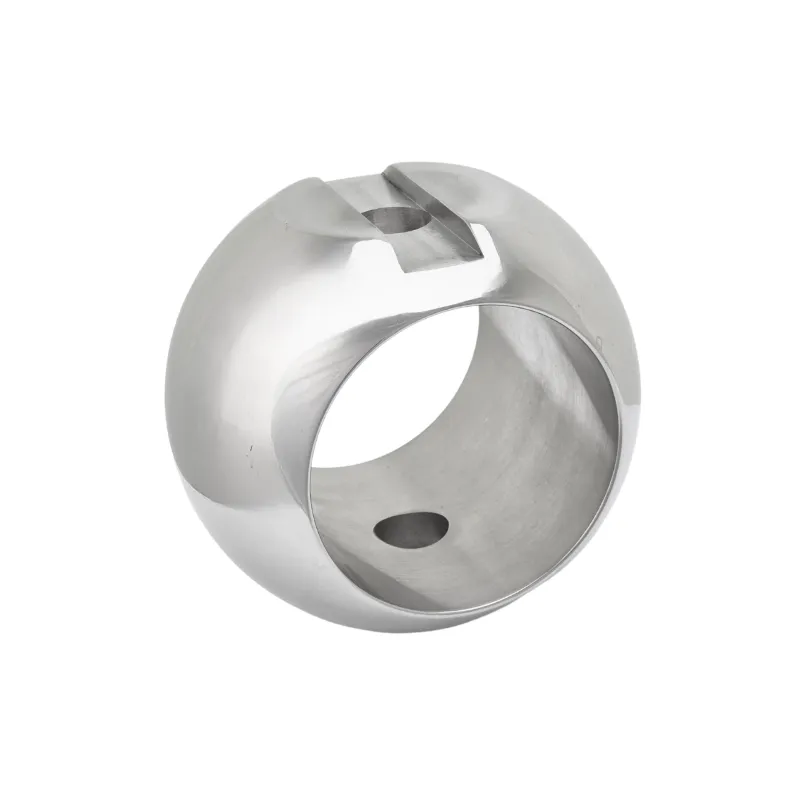

Advantages of Hard - sealed Valve Balls
Hard - sealed valve balls are made from materials such as stainless steel, ceramic, or tungsten carbide. These materials offer several advantages that make them potentially suitable for high - altitude environments.
First of all, hard - sealed valve balls have excellent wear resistance. In high - altitude applications, there may be dust and other particulate matter in the air. These particles can cause abrasion on the valve surfaces. The hard materials used in hard - sealed valve balls can withstand the wear caused by these particles better than softer materials. For example, ceramic valve balls have a very high hardness and can resist the scratching and erosion from dust particles, ensuring a long service life of the valve.
Secondly, hard - sealed valve balls have good chemical stability. They are less likely to react with chemicals or gases that may be present in the high - altitude environment. This is important because some high - altitude areas may have unique chemical compositions in the air, such as high levels of ozone or sulfur compounds. The chemical stability of hard - sealed valve balls helps to maintain their performance and prevent corrosion.
Another advantage is their high - temperature and low - temperature resistance. Hard materials like tungsten carbide can maintain their mechanical properties over a wide range of temperatures. This means that even in the cold conditions of high - altitude areas, the hard - sealed valve ball will not experience significant dimensional changes or loss of strength, ensuring the reliable operation of the valve.
Challenges of Using Hard - sealed Valve Balls in High - Altitude Environments
Despite their advantages, there are also some challenges associated with using hard - sealed valve balls in high - altitude environments.
One of the main challenges is the issue of sealing under low - pressure conditions. The hard - sealed valve design relies on the mechanical fit between the ball and the seat to achieve a seal. In a low - pressure situation, the reduced external force may not be sufficient to maintain a tight seal. Even a small gap between the ball and the seat can lead to leaks, which can be a serious problem in applications where fluid leakage needs to be strictly controlled.
The brittleness of some hard materials is also a concern. Materials like ceramic, although very hard, are also relatively brittle. In high - altitude areas, there may be vibrations or shocks due to strong winds or other environmental factors. These vibrations can potentially cause the ceramic valve ball to crack or break, leading to valve failure.
In addition, the manufacturing precision of hard - sealed valve balls is crucial. Any small deviation in the dimensions or surface finish can affect the sealing performance. In high - altitude applications, where the operating conditions are more demanding, the requirements for manufacturing precision are even higher. If the valve ball does not meet the strict specifications, it may not be able to work properly in the high - altitude environment.
Comparison with Soft - Sealed Balls
In contrast to hard - sealed valve balls, Soft - Sealed Balls are made from materials such as rubber or plastic. Soft - sealed balls have the advantage of being able to form a tight seal more easily, even under low - pressure conditions. The elasticity of the soft materials allows them to conform to the surface of the valve seat and fill in any small irregularities, preventing leaks.
However, soft - sealed balls also have their limitations. They are more susceptible to wear and chemical degradation compared to hard - sealed valve balls. In high - altitude environments with dust particles and potentially corrosive gases, the soft - sealed balls may wear out quickly or lose their sealing properties due to chemical reactions.
Conclusion and Considerations for High - Altitude Applications
In conclusion, a hard - sealed valve ball can be used in a high - altitude environment, but careful consideration must be given to its design and application. To overcome the challenges, the following steps can be taken:
- Optimize the sealing design: Use a proper sealing structure that can enhance the sealing performance under low - pressure conditions. For example, adding a pre - load mechanism to the valve can help to maintain a tight seal between the ball and the seat.
- Select appropriate materials: Choose hard materials that have the best combination of wear resistance, chemical stability, and low - temperature resistance. Consider using hybrid materials or coatings to improve the performance of the valve ball.
- Ensure high manufacturing precision: Implement strict quality control measures during the manufacturing process to guarantee that the valve ball meets the high - altitude application requirements.
As a supplier of hard - sealed valve balls, we have advanced manufacturing technology and a team of experienced engineers who can customize valve balls according to the specific needs of high - altitude applications. If you are looking for a reliable valve ball solution for your high - altitude projects, we are here to help. We welcome you to contact us for further discussion and procurement negotiations. We are confident that our products can meet your requirements and provide long - term reliable performance in high - altitude environments.
References
- ASME B16.34 - Valves - Flanged, Threaded, and Welded Ends.
- API 6D - Specification for Pipeline Valves.
- T. A. Strobel, "Materials Science for Engineers," Pearson Education, 2010.