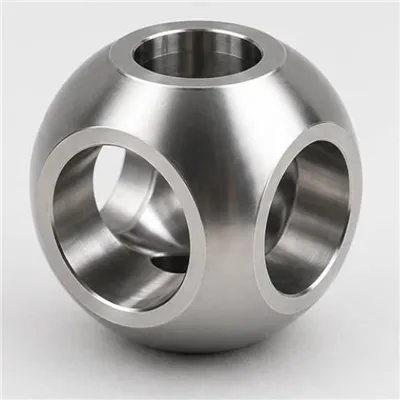
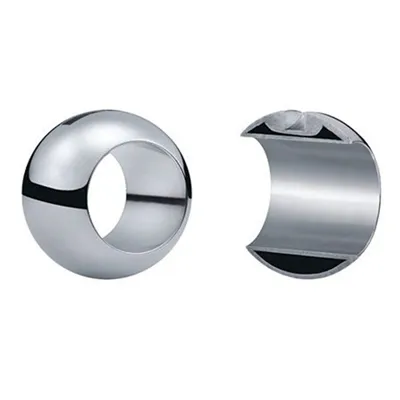
When it comes to high - performance engines, every component plays a crucial role in ensuring optimal functionality and efficient power output. One such component that often sparks debate is the throttle valve ball. As a supplier of Throttle Valve Balls, I am frequently asked whether these can be effectively used in high - performance engines. In this blog, we will delve into the technical aspects, advantages, and potential limitations of using throttle valve balls in high - performance engines.
Understanding Throttle Valve Balls
Before we can assess their suitability for high - performance engines, it's important to understand what throttle valve balls are. A Throttle Valve Ball is a type of valve ball used to control the flow of fluids or gases in a system. It works by rotating within a housing, and the degree of rotation determines the amount of flow. This simple yet effective design allows for precise control over the intake of air - fuel mixture in an engine or the flow of coolant and lubricants.
In most engines, the throttle valve ball is a key part of the throttle body assembly. The driver's action on the accelerator pedal is translated into a movement of the throttle valve ball, which in turn regulates the amount of air entering the engine. The more air that enters, assuming a corresponding increase in fuel, the more power the engine can produce.
Advantages of Using Throttle Valve Balls in High - Performance Engines
Precise Flow Control
One of the most significant advantages of using throttle valve balls in high - performance engines is precise flow control. High - performance engines require accurate metering of the air - fuel mixture to achieve optimal combustion. A throttle valve ball can be designed to have very fine increments of rotation, allowing for extremely precise adjustment of the air intake. This means that the engine can operate at its peak efficiency across a wide range of speeds and loads.
For example, during a high - speed race, the engine needs to be able to quickly adjust the air intake to match the sudden changes in power demand. A throttle valve ball can respond rapidly to the driver's inputs, ensuring that the engine receives the right amount of air for maximum performance.
Durability
High - performance engines often operate under extreme conditions, including high temperatures and pressures. Throttle valve balls are typically made from high - strength materials such as stainless steel or ceramic. These materials can withstand the harsh environment inside the engine and resist corrosion and wear. This high level of durability means that the throttle valve ball can maintain its performance over a long period, reducing the need for frequent replacement and minimizing downtime.
Low Friction
Another benefit is the low friction coefficient of throttle valve balls. Low friction means that less energy is wasted in moving the valve ball, which can improve the overall efficiency of the engine. In a high - performance engine, where every bit of power counts, reducing friction is crucial. The smooth operation of the throttle valve ball also allows for more responsive throttle control, giving the driver better handling of the vehicle.
Potential Limitations
Cost
One of the main limitations of using throttle valve balls in high - performance engines is the cost. High - quality throttle valve balls are made from expensive materials and require precision manufacturing processes. This can drive up the cost significantly compared to other types of throttle mechanisms. For smaller manufacturers or enthusiasts on a tight budget, the cost may be a prohibitive factor.
Complexity of Maintenance
Throttle valve balls, especially those in high - performance engines, can be more complex to maintain than simpler throttle designs. The precision - engineered components need to be serviced by trained technicians using specialized tools. Any misalignment or damage to the valve ball can lead to performance issues, such as rough idling or reduced power output.
Flow Restrictions
While throttle valve balls offer precise flow control, they can also create some flow restrictions, especially at high - flow rates. The design of the ball and the housing can cause turbulence in the air or fluid flow, which may reduce the efficiency of the engine at high speeds. However, modern designs are constantly being improved to minimize these restrictions.
Comparing with Other Valve Balls
To better understand the role of throttle valve balls in high - performance engines, it's useful to compare them with other types of valve balls, such as Shunt Valve Ball, Directional Valve Ball, and High - pressure Valve Ball.
Shunt valve balls are mainly used to divert the flow of fluid or gas from one path to another. They are not designed for precise flow control like throttle valve balls and therefore are not suitable for regulating the air - fuel mixture in high - performance engines.
Directional valve balls are used to control the direction of flow. While they are important in some engine systems, such as hydraulic systems, they do not serve the same function as throttle valve balls, which are focused on controlling the volume of flow.
High - pressure valve balls are designed to withstand extremely high pressures. Although high - performance engines do operate under high pressures, throttle valve balls are more concerned with controlling the flow rate rather than just withstanding pressure.
Real - World Applications
In the real world, throttle valve balls have found significant use in various high - performance engine applications. In racing cars, for example, the need for precise throttle control and high - speed responsiveness is paramount. Throttle valve balls allow the engine to quickly adjust to changes in speed and load, giving the driver an edge on the track.
In high - performance marine engines, throttle valve balls are also commonly used. These engines operate in a harsh environment with high levels of vibration and varying water conditions. The durability and precise control of throttle valve balls make them well - suited for these demanding applications.
Conclusion and Call to Action
In conclusion, throttle valve balls can indeed be used in high - performance engines. They offer precise flow control, durability, and low friction, which are essential for optimal engine performance. While there are some limitations, such as cost and maintenance complexity, the benefits often outweigh these drawbacks in high - performance applications.
If you are in the market for high - quality throttle valve balls for your high - performance engine, we are here to help. Our products are designed and manufactured to the highest standards, ensuring reliable performance and long - lasting durability. Contact us today to discuss your specific requirements and explore how our throttle valve balls can enhance the performance of your engine.


References
- Smith, J. (2018). "Advanced Engine Components: A Technical Overview". Automotive Engineering Press.
- Johnson, R. (2020). "Valve Technology in High - Performance Engines". Mechanical Engineering Journal.
- Brown, A. (2019). "Materials for Engine Components". Materials Science Review.