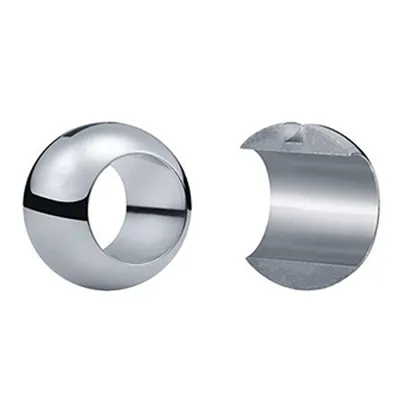
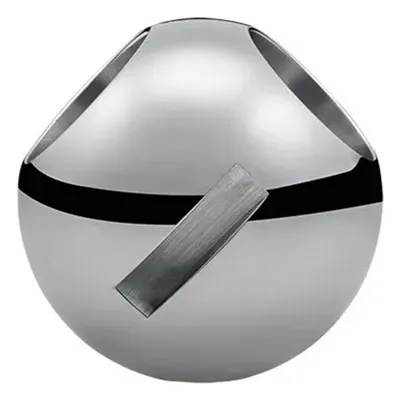
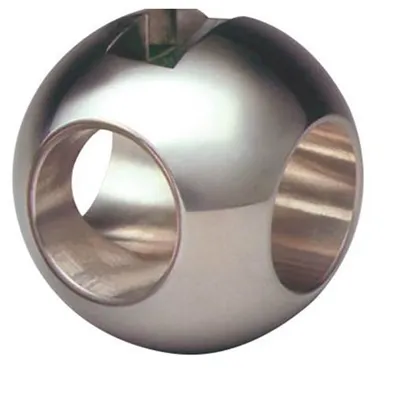
A three - way valve ball is a crucial component in many fluid control systems. It allows for the redirection of fluid flow between different paths, providing flexibility and control. As a supplier of three - way valve balls, I understand the importance of proper installation positions to ensure optimal performance. In this blog, I will explore the various installation positions for a three - way valve ball and their implications.
Understanding the Three - Way Valve Ball
Before delving into the installation positions, it's essential to understand the basic structure and function of a three - way valve ball. A three - way valve ball typically has three ports, which can be arranged in different configurations such as L - shaped or T - shaped. The ball inside the valve rotates to open or close the flow paths between the ports.
There are different types of valve balls available, each with its own characteristics. For example, the Solid Valve Ball is made of a solid material, providing high strength and durability. The Trunnion Valve Ball is supported by trunnions, which helps to reduce the operating torque and is suitable for high - pressure applications. The Valve Ball With Handle allows for manual operation, while the Floating Valve Ball floats in the valve body and is sealed by the pressure of the fluid. The Hollow Valve Ball is lighter in weight and can be used in applications where weight is a concern.
Installation Positions
Horizontal Installation
- Advantages
- In horizontal installation, the valve ball is easier to access for maintenance and inspection. The weight of the valve ball is evenly distributed, which can reduce the stress on the valve body and the seals. This is especially important for larger valve balls.
- Gravity can assist in the proper seating of the valve ball. When the valve is in the closed position, the weight of the ball helps to ensure a tight seal against the valve seat.
- Disadvantages
- There is a risk of sediment or debris accumulating at the bottom of the valve body. This can affect the smooth rotation of the valve ball and may cause wear on the ball and the seat over time.
- In some cases, the horizontal installation may require additional support to prevent the valve from sagging, especially for long - length valve assemblies.
Vertical Installation
- Advantages
- Vertical installation can prevent the accumulation of sediment and debris in the valve body. The fluid flow can carry any particles through the valve, reducing the risk of blockage.
- It can be more space - efficient in some systems, especially when there are height limitations.
- Disadvantages
- The weight of the valve ball may cause uneven wear on the valve seat. The ball may tend to rest on one side of the seat due to gravity, which can lead to premature failure of the seal.
- Maintenance and inspection can be more challenging in vertical installation, as access to the valve ball may be restricted.
Inclined Installation
- Advantages
- An inclined installation can combine some of the advantages of both horizontal and vertical installations. It can reduce the risk of sediment accumulation compared to horizontal installation while also minimizing the uneven wear on the seat caused by gravity in vertical installation.
- It can be useful in systems where the fluid flow direction needs to be adjusted to fit the overall layout of the piping system.
- Disadvantages
- Inclined installation requires more careful alignment and support. Improper alignment can lead to increased stress on the valve components and may affect the performance of the valve.
- The flow characteristics of the fluid may be more complex in an inclined installation, which requires more precise calculations and design.
Considerations for Installation Positions
- Fluid Characteristics
- The type of fluid, such as its viscosity, density, and corrosiveness, plays a significant role in determining the installation position. For viscous fluids, horizontal installation may be preferred to prevent the fluid from clogging the valve. In corrosive environments, proper sealing and material selection are crucial, and the installation position should be chosen to minimize the exposure of the valve components to the corrosive fluid.
- System Requirements
- The overall requirements of the fluid control system, such as the flow rate, pressure, and temperature, need to be considered. High - pressure systems may require a more stable installation position, such as horizontal or vertical with proper support. Temperature variations can also affect the expansion and contraction of the valve components, and the installation position should be selected to accommodate these changes.
- Maintenance and Accessibility
- Easy access for maintenance and inspection is essential. The installation position should allow for quick and convenient disassembly and reassembly of the valve. If the valve needs to be frequently adjusted or repaired, a position that provides good visibility and access to the valve ball is preferred.
Impact of Installation Positions on Performance
- Sealing Performance
- The installation position can significantly affect the sealing performance of the three - way valve ball. In horizontal installation, the proper seating of the ball due to gravity can enhance the sealing. However, sediment accumulation can compromise the seal. In vertical installation, the uneven wear on the seat may lead to leakage over time. Inclined installation needs to be carefully designed to ensure a proper seal.
- Flow Characteristics
- The installation position also influences the flow characteristics of the fluid. Horizontal installation may provide a more laminar flow, while vertical installation can cause a more turbulent flow. Inclined installation can have a combination of both, and the design should be optimized to achieve the desired flow pattern.
- Operating Torque
- The installation position can affect the operating torque required to rotate the valve ball. In vertical installation, the weight of the ball may increase the operating torque, especially if there is uneven wear on the seat. Horizontal installation generally has a more consistent operating torque, but factors such as sediment accumulation can also increase the torque.
Conclusion
In conclusion, the installation position of a three - way valve ball is a critical factor that affects its performance, maintenance, and overall functionality. As a supplier of three - way valve balls, I recommend carefully considering the fluid characteristics, system requirements, and maintenance needs when choosing the installation position. Whether it's horizontal, vertical, or inclined, each position has its own advantages and disadvantages, and a well - thought - out decision can ensure the long - term reliability and efficiency of the fluid control system.
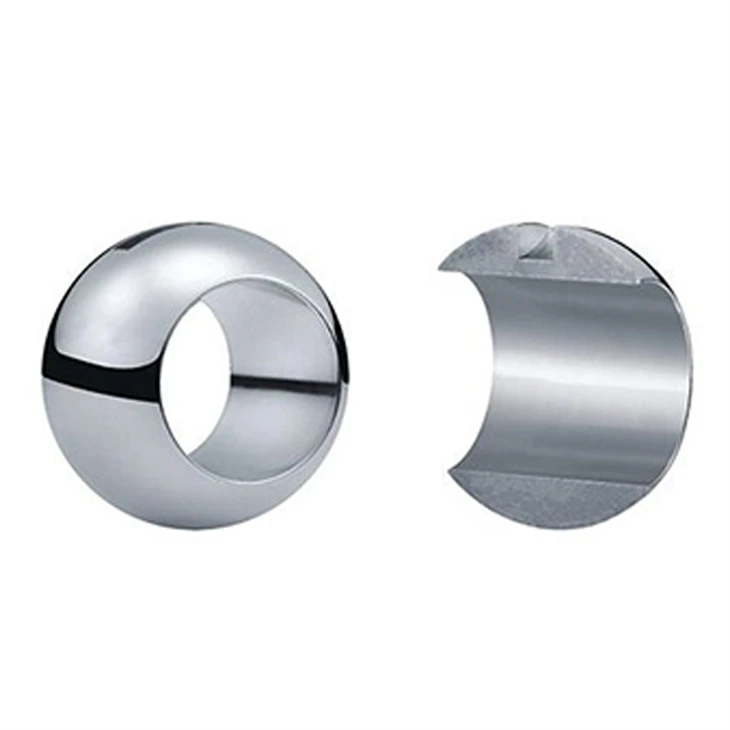

If you are interested in purchasing high - quality three - way valve balls or need more information about their installation and application, please feel free to contact us for a detailed discussion. We are committed to providing you with the best solutions for your fluid control needs.
References
- Smith, J. (2018). Fluid Control Systems: Principles and Applications. Publisher Name.
- Johnson, M. (2020). Valve Technology and Design. Another Publisher.