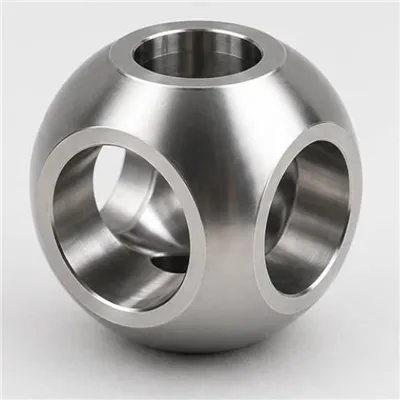
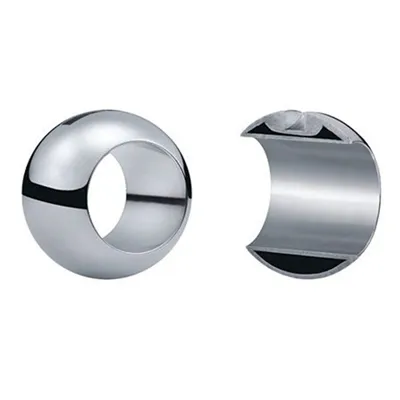
In the realm of fluid control systems, the choice of valve components is crucial for ensuring the efficient and reliable operation of liquid pipelines. One such component that often comes into consideration is the fixed valve ball. As a dedicated supplier of fixed valve balls, I am frequently asked whether these components can be effectively used in liquid pipelines. In this blog post, I will delve into the characteristics, advantages, and applications of fixed valve balls in liquid pipeline systems.
Understanding Fixed Valve Balls
Before exploring their suitability for liquid pipelines, it's important to understand what fixed valve balls are. A fixed valve ball is a type of valve ball that is mounted on a stem and remains stationary within the valve body. Unlike Floating Valve Ball, which can move slightly under the pressure of the fluid, fixed valve balls are securely held in place. This design provides several distinct advantages in certain applications.
Advantages of Fixed Valve Balls in Liquid Pipelines
1. High Pressure Resistance
One of the primary advantages of fixed valve balls in liquid pipelines is their ability to withstand high pressures. In many industrial applications, liquid pipelines operate under significant pressure, and a valve that can handle these conditions is essential. Fixed valve balls are designed to maintain their structural integrity even under extreme pressure, ensuring reliable operation and preventing leaks.
2. Precise Flow Control
Fixed valve balls offer precise flow control, which is crucial in liquid pipeline systems. The stationary nature of the ball allows for accurate adjustment of the flow rate, making it suitable for applications where precise control is required. This is particularly important in industries such as chemical processing, where the flow of liquids needs to be carefully regulated to ensure product quality and safety.


3. Reduced Wear and Tear
Compared to floating valve balls, fixed valve balls experience less wear and tear. The fixed position of the ball reduces the friction between the ball and the valve seat, resulting in a longer service life. This is especially beneficial in liquid pipelines that carry abrasive or corrosive fluids, as it helps to minimize maintenance costs and downtime.
4. Leakage Prevention
Fixed valve balls provide excellent sealing performance, which is essential for preventing leakage in liquid pipelines. The tight seal between the ball and the valve seat ensures that the fluid remains within the pipeline, reducing the risk of environmental contamination and ensuring the safety of the system.
Applications of Fixed Valve Balls in Liquid Pipelines
1. Oil and Gas Industry
In the oil and gas industry, fixed valve balls are widely used in liquid pipelines for various applications. They are commonly found in pipelines that transport crude oil, natural gas, and refined products. The high pressure resistance and precise flow control of fixed valve balls make them ideal for these applications, where the safe and efficient transportation of fluids is critical.
2. Chemical Processing
Chemical processing plants rely on fixed valve balls to control the flow of various liquids, including acids, bases, and solvents. The ability of fixed valve balls to withstand corrosive environments and provide precise flow control makes them an essential component in these facilities. They are used in pipelines that transport chemicals between different processing units, ensuring the accurate and safe transfer of materials.
3. Water Treatment
In water treatment plants, fixed valve balls are used to control the flow of water and other liquids. They are installed in pipelines that carry water for treatment, distribution, and wastewater disposal. The reliable sealing performance and long service life of fixed valve balls make them suitable for these applications, where the efficient and safe management of water resources is essential.
4. Power Generation
Power generation plants, such as thermal power plants and nuclear power plants, use fixed valve balls in their liquid pipelines. These valves are used to control the flow of water, steam, and other fluids in the power generation process. The high pressure resistance and precise flow control of fixed valve balls ensure the efficient operation of the power plant and prevent leaks and other issues.
Considerations for Using Fixed Valve Balls in Liquid Pipelines
While fixed valve balls offer many advantages in liquid pipelines, there are some considerations to keep in mind when using them.
1. Fluid Compatibility
It's important to ensure that the fixed valve ball is compatible with the fluid being transported in the pipeline. Different fluids have different chemical properties, and some may be corrosive or abrasive. Choosing a valve ball made from a material that is resistant to the specific fluid is crucial to ensure its long-term performance.
2. Operating Conditions
The operating conditions of the liquid pipeline, such as pressure, temperature, and flow rate, also need to be considered when selecting a fixed valve ball. The valve ball should be able to withstand the specific conditions of the pipeline to ensure reliable operation.
3. Installation and Maintenance
Proper installation and maintenance are essential for the optimal performance of fixed valve balls in liquid pipelines. The valve should be installed correctly according to the manufacturer's instructions, and regular maintenance should be carried out to ensure its continued operation.
Conclusion
In conclusion, fixed valve balls can be effectively used in liquid pipelines. Their high pressure resistance, precise flow control, reduced wear and tear, and leakage prevention make them a suitable choice for a wide range of applications in various industries. However, it's important to consider the fluid compatibility, operating conditions, and installation and maintenance requirements when using fixed valve balls in liquid pipelines.
As a supplier of fixed valve balls, I am committed to providing high-quality products that meet the specific needs of our customers. If you are interested in learning more about our fixed valve balls or have any questions about their suitability for your liquid pipeline applications, please feel free to contact us. We look forward to discussing your requirements and helping you find the right solution for your needs.
References
- Valve Handbook, by William L. Nayyar
- Fluid Mechanics and Hydraulics, by R. K. Bansal
- Pipeline Engineering and Construction, by John W. Rose