The valve ball is the precision core of every ball valve, and the application it serves determines how the ball must be designed, machined, and finished. An industrial valve ball that performs reliably in a water line may fail within weeks in a chemical plant or an LNG terminal. For industrial buyers, valve manufacturers, and OEM sourcing teams, understanding how valve balls behave across oil & gas, LNG, chemical processing, power generation, and water treatment is essential for correct specification, predictable service life, and accurate costing. This guide explains the major industrial applications of valve balls and how to select the right component for your project.
Contents
- Why Valve Ball Applications Matter
- Oil & Gas: High-Pressure and Corrosion-Resistant Valve Balls
- LNG and Cryogenic: Low-Temperature Valve Balls
- Chemical Processing: Valve Balls for Aggressive Media
- Power Generation: High-Temperature and High-Pressure Service
- Water Treatment: Long-Service Corrosion-Resistant Valve Balls
- Application-Material Matrix
- How to Select the Right Valve Ball for Your Application
- Working with a Specialized Valve Ball Supplier
- Frequently Asked Questions
Why Valve Ball Applications Matter
A valve ball is the rotating component inside a ball valve that opens, closes, controls, or diverts flow. During operation it maintains direct sealing contact with the valve seat and carries the full pressure of the medium, so three outcomes are decided largely by the ball itself: leakage rate, valve service life, and operating torque. These outcomes are governed by the ball's machining precision, surface quality, and material performance.
The application defines every one of these parameters. A high-pressure crude oil pipeline demands a trunnion mounted valve ball that stays geometrically stable under load, while a cryogenic LNG line requires a stainless steel or nickel alloy valve ball that resists embrittlement at -196°C. Chemical service calls for duplex, super duplex, or nickel alloy balls that survive acids and alkalis, and water systems need corrosion-resistant balls engineered for decades of continuous operation. Specifying the wrong ball for the application is one of the most common and most expensive mistakes in industrial valve procurement.
Key Takeaway
There is no universal valve ball. Each industrial application imposes a specific combination of pressure rating, temperature range, media corrosivity, sealing requirements, and service life - and the right valve ball supplier helps you map those requirements to the correct material, design, and surface treatment.
Oil & Gas: High-Pressure and Corrosion-Resistant Valve Balls
The oil and gas industry is the largest consumer of industrial valve balls and also the most demanding. Valve balls used in oil pipelines, natural gas transmission, and offshore systems must satisfy three non-negotiable requirements: high pressure resistance, corrosion resistance, and long service life. Failures here are not merely costly - they are hazardous.
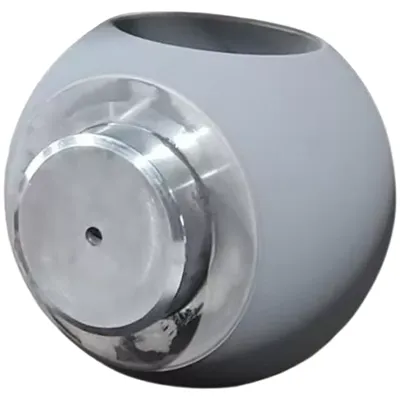
For large-diameter and high-pressure lines, trunnion mounted valve balls are the standard choice. Unlike floating balls, which rely on upstream pressure to push the ball against the downstream seat, trunnion-mounted designs are held by upper and lower stems. This reduces operating torque, stabilizes the ball under pressure, and suits severe service applications.
Surface treatment is equally important. Hard chrome coated valve balls are widely specified for abrasive and corrosive environments because the coating provides a hard, low-friction surface that extends sealing life and protects the base material. In sour gas and offshore service, duplex and super duplex stainless steel valve balls provide the strength and pitting resistance needed for prolonged chloride and hydrogen sulfide exposure.
Typical Oil & Gas Applications
- Crude oil and refined product pipelines
- Natural gas transmission and distribution
- Offshore platforms and subsea systems
- Wellhead and production manifolds
- Refinery process lines and utilities
LNG and Cryogenic: Low-Temperature Valve Balls
Liquefied natural gas (LNG) applications push valve balls to the opposite end of the temperature spectrum. At cryogenic temperatures down to -196°C, conventional materials can become brittle, seals can lose elasticity, and dimensional changes can compromise sealing. The two dominant requirements are cryogenic temperature performance and material stability.
Stainless steel valve balls are the workhorse of LNG service, offering stable mechanical properties at low temperatures, while nickel alloy valve balls - Inconel, Monel, and Hastelloy - are specified where extreme cold combines with demanding media. Precision grinding and polishing are critical: the ball must maintain roundness and surface finish so sealing stays consistent as the valve cycles between ambient and cryogenic temperatures.
For LNG buyers, material certification and traceability are as important as machining itself. Cryogenic service is heavily regulated, and documentation confirming chemical composition, mechanical properties, and low-temperature impact performance is typically mandatory.
Typical LNG and Cryogenic Applications
- LNG liquefaction and regasification plants
- Cryogenic storage and transfer systems
- Nitrogen, oxygen, and argon handling
- Low-temperature chemical processes
Chemical Processing: Valve Balls for Aggressive Media
Chemical processing plants present one of the widest ranges of corrosive challenges: acids, alkalis, solvents, and aggressive chemicals at elevated temperatures and pressures. The valve ball is in direct contact with these media on every cycle, so material selection is the first line of defense against corrosion, pitting, and premature failure.
Duplex and super duplex stainless steel valve balls combine the corrosion resistance of austenitic stainless steel with the strength of ferritic steel, making them a preferred choice for chloride-containing and acidic environments. Where media are particularly aggressive - strong acids, seawater, or high-temperature chemical service - nickel alloy valve balls made from Inconel, Monel, or Hastelloy provide the highest level of chemical resistance and mechanical integrity.
Buyers should also consider surface coatings such as ENP (electroless nickel plating), tungsten carbide coating, and Stellite overlay, which protect the ball against both corrosion and wear. Custom valve balls with special port designs are frequently required for blending, diverting, and isolation duties in chemical processes.
Typical Chemical Processing Applications
- Acid and alkali handling systems
- Reactor feed and discharge lines
- Solvent recovery and transfer
- Seawater and brine processing
Power Generation: High-Temperature and High-Pressure Service
Power plants - thermal, nuclear, and combined-cycle - operate valve balls under sustained high temperature and high pressure. Boiler feedwater, steam, and cooling systems demand balls that maintain dimensional stability and sealing performance over very long maintenance intervals, because unplanned shutdowns are extremely expensive.
Stainless steel and heat-resistant alloy valve balls are typical in this sector, with precision machining ensuring consistent roundness and surface finish across large batch runs. As in oil and gas service, surface treatment matters: hard chrome plating and other wear-resistant coatings protect the ball in high-cycle, high-velocity flow while keeping the low operating torque that plant actuators rely on.
Typical Power Generation Applications
- Boiler feedwater and steam systems
- Cooling water circuits
- Fuel handling and combustion air systems
- Auxiliary and utility services
Water Treatment: Long-Service Corrosion-Resistant Valve Balls
Water treatment and municipal water systems are among the highest-volume applications for valve balls. The governing requirements are corrosion resistance and long-term operation - these systems run continuously, often in remote or hard-to-access locations.
Stainless steel valve balls, particularly 304 and 316/316L grades, are the standard for water treatment duty, providing reliable corrosion resistance in potable water, wastewater, and chemical dosing applications at an economical cost. For seawater desalination and coastal plants, duplex and super duplex grades are preferred for their superior resistance to chloride attack and pitting.
Typical Water Treatment Applications
- Municipal water distribution networks
- Wastewater and sewage treatment
- Desalination plants
- Chemical dosing and disinfection systems
Application-Material Matrix
The following table summarizes how the major industrial applications map to typical valve ball requirements, providing a practical starting point for buyers and valve manufacturers when specifying components.
| Application | Key Requirements | Typical Ball Designs | Preferred Materials |
|---|---|---|---|
| Oil & Gas | High pressure, corrosion resistance, long service life | Trunnion mounted, hard chrome coated | 316/316L, Duplex, Super Duplex |
| LNG / Cryogenic | Cryogenic temperature performance, material stability | Floating and trunnion, precision polished | Stainless steel, Nickel alloys |
| Chemical Processing | Acid, alkali, aggressive chemicals | Floating, custom port designs, coated | Duplex, Super Duplex, Nickel alloys |
| Power Generation | High temperature, pressure resistance | Floating and trunnion, wear-resistant coatings | Stainless steel, heat-resistant alloys |
| Water Treatment | Corrosion resistance, long-term operation | Floating, standard production | 304, 316/316L, Duplex for seawater |
How to Select the Right Valve Ball for Your Application
Selecting a valve ball is a structured process, not a guess. For industrial buyers and valve manufacturers, these five steps reduce risk and cost:
- Define the service conditions. Record the media, operating pressure, temperature range, and valve size. These parameters narrow the material and design options immediately.
- Select the material. Match the material to corrosivity and temperature. General duty suits 304/316L; chloride and acidic media call for Duplex, Super Duplex, or nickel alloys; cryogenic service requires stainless steel or nickel alloys with verified low-temperature properties.
- Choose the ball design. Floating balls fit small and medium valves and general service; trunnion mounted balls suit large diameters, high pressure, and severe duty; three-way and custom balls handle flow switching and special port requirements.
- Specify surface treatment. Standard polishing suits clean media; hard chrome plating, ENP, tungsten carbide coating, and Stellite overlay protect against abrasion and aggressive chemicals.
- Verify quality and documentation. Confirm roundness, surface roughness, dimensional accuracy, and material traceability, and request inspection reports before production.
Working with a Specialized Valve Ball Supplier
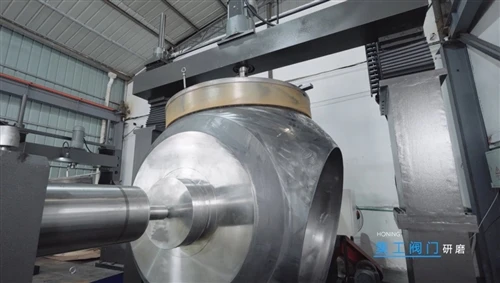
Because the valve ball determines the leakage rate, service life, and operating torque of the finished valve, working with a manufacturer that specializes in valve ball production offers meaningful advantages. Specialized suppliers typically maintain dedicated CNC and grinding equipment, in-house surface treatment lines, and inspection systems calibrated for spherical components, delivering tighter tolerances and more consistent quality across batches.
When evaluating a valve ball supplier, industrial buyers should ask about machining precision and tolerance capability, available material grades and certifications, surface treatment options, OEM and drawing-based manufacturing experience, production capacity and lead time, and export experience in your industry. A supplier with documented experience in oil and gas, LNG, chemical, power, or water projects can anticipate specification issues before they become field failures.
Frequently Asked Questions
Why are trunnion mounted valve balls used in high-pressure pipelines?
Trunnion mounted valve balls are supported by upper and lower stems rather than relying on upstream pressure to push the ball onto the seat. This design stabilizes the ball under high pressure, reduces operating torque, and accommodates large diameters - all essential for oil and gas transmission and severe service applications.
What material is best for cryogenic LNG service?
Stainless steel valve balls are the standard for LNG and cryogenic service, offering stable mechanical properties at temperatures down to -196°C. Nickel alloy valve balls - Inconel, Monel, and Hastelloy - are used where extreme cold combines with demanding media or higher strength requirements.
When should hard chrome coated valve balls be specified?
Hard chrome coated valve balls are specified in oil and gas and other abrasive or corrosive applications where a hard, low-friction surface extends sealing life. The coating protects the base material, reduces operating torque, and improves wear resistance in high-cycle service.
Can valve ball manufacturers produce custom balls for special applications?
Yes. Specialized manufacturers produce custom valve balls with special port designs, special materials including Duplex, Super Duplex, and nickel alloys, special coatings, and non-standard dimensions made to customer drawings. Buyers should confirm drawing-based production capability, tolerance ranges, and material certification before ordering.
How do buyers verify valve ball quality?
Quality verification covers four areas: dimensional inspection (ball diameter, port size, stem slot, and tolerances), roundness and surface roughness measurement, hardness testing, and material verification with traceable certification. Inspection reports and material certificates are standard requirements in industrial procurement.
Looking for a Reliable Valve Ball Supplier for Your Industry?
As highlighted in this guide, Zhejiang Jigong Valve Co., Ltd. specializes in precision valve ball manufacturing with over 30 years of experience, supplying floating valve balls, trunnion mounted valve balls, hard chrome coated valve balls, cryogenic-grade components, and custom OEM solutions in stainless steel, Duplex, Super Duplex, and nickel alloys - supported by comprehensive material certification and inspection documentation.
Whether you need standard production supply, application-specific engineering support, or custom valve balls for oil & gas, LNG, chemical, power, or water treatment projects, our team is available to discuss your requirements and provide a detailed quotation.
Request a Quote