What is the noise level when an X - Port Valve Ball is in operation?
As a supplier of X - Port Valve Balls, I've received numerous inquiries about the noise levels during their operation. Understanding the noise generated by X - Port Valve Balls is crucial for various industrial applications, as excessive noise can not only cause discomfort but also indicate potential issues with the valve's performance.
Understanding X - Port Valve Balls
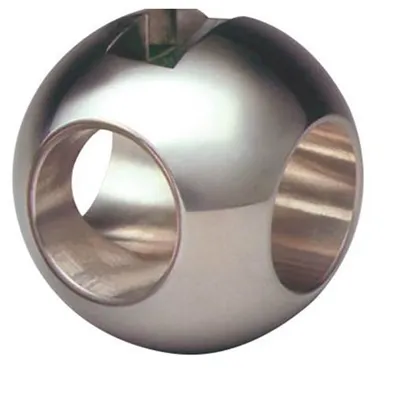
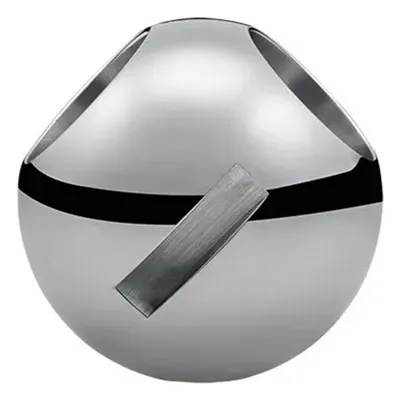
Before delving into the noise levels, it's essential to understand what an X - Port Valve Ball is. X - Port Valve Balls are a type of ball valve component designed to control the flow of fluids or gases in a pipeline. The "X" port design offers unique flow characteristics, allowing for more complex flow patterns compared to other port designs such as T - Port Valve Balls and F - Port Valve Balls.
The X - Port Valve Ball's design enables it to handle multiple flow paths, making it suitable for applications where precise flow control and distribution are required. These valves are commonly used in industries such as oil and gas, chemical processing, and water treatment.
Factors Affecting Noise Levels
Several factors can influence the noise level when an X - Port Valve Ball is in operation. One of the primary factors is the flow rate of the fluid or gas passing through the valve. Higher flow rates typically result in increased noise levels due to the turbulence created as the fluid moves through the valve. The pressure differential across the valve also plays a significant role. A large pressure drop can cause the fluid to accelerate rapidly, leading to more noise.
The material of the valve ball and the valve body can also affect the noise level. Harder materials may generate less noise as they are more resistant to wear and deformation. Additionally, the surface finish of the valve ball and the internal components of the valve can impact noise. A smooth surface finish can reduce friction and turbulence, resulting in lower noise levels.
The installation of the valve is another critical factor. Improper installation, such as misalignment or incorrect tightening of the valve, can cause vibrations and increase noise. The piping system connected to the valve can also contribute to noise. If the piping is not properly supported or if there are resonance issues, it can amplify the noise generated by the valve.
Measuring Noise Levels
To accurately measure the noise level of an X - Port Valve Ball in operation, specialized equipment such as sound level meters is used. These meters can measure the sound pressure level (SPL) in decibels (dB). The measurement is typically taken at a specific distance from the valve, usually 1 meter away, to ensure consistency.
When measuring the noise level, it's important to consider the background noise in the environment. Background noise can interfere with the measurement and make it difficult to accurately determine the noise generated by the valve. To minimize the impact of background noise, measurements are often taken in a controlled environment or by using noise - cancelling techniques.
Typical Noise Levels
The noise level of an X - Port Valve Ball in operation can vary depending on the factors mentioned above. In general, for low - flow applications with a relatively small pressure differential, the noise level may be around 60 - 70 dB, which is similar to the noise level of normal conversation. However, in high - flow applications with a large pressure drop, the noise level can reach 90 dB or higher, which is comparable to the noise level of a lawnmower.
It's important to note that these are just general estimates, and the actual noise level can vary significantly depending on the specific application and the design of the valve. For example, a well - designed valve with a smooth internal surface and proper installation may generate less noise compared to a poorly designed or installed valve.
Reducing Noise Levels
If the noise level of an X - Port Valve Ball is a concern, there are several measures that can be taken to reduce it. One approach is to optimize the valve design. This can include using materials with better acoustic properties, improving the surface finish of the valve components, and reducing the turbulence within the valve.


Another method is to install noise - reducing devices such as silencers or mufflers. These devices can absorb or dissipate the sound energy generated by the valve, reducing the overall noise level. Additionally, proper installation and maintenance of the valve and the piping system can help minimize noise. Ensuring that the valve is correctly aligned and tightened, and that the piping is properly supported, can reduce vibrations and noise.
Importance of Noise Control
Controlling the noise level of X - Port Valve Balls is not only important for the comfort of workers but also for the overall performance and reliability of the system. Excessive noise can indicate potential problems with the valve, such as wear, misalignment, or cavitation. By monitoring and controlling the noise level, operators can detect and address these issues early, preventing costly downtime and repairs.
In addition, noise control is often required by regulatory standards in many industries. Compliance with these standards is essential to avoid fines and ensure a safe and healthy working environment.
Conclusion
In conclusion, the noise level when an X - Port Valve Ball is in operation is influenced by various factors, including flow rate, pressure differential, material, and installation. By understanding these factors and taking appropriate measures to reduce noise, such as optimizing the valve design and using noise - reducing devices, it is possible to minimize the impact of noise on the system and the environment.
If you are interested in learning more about X - Port Valve Balls or have specific requirements for your application, I encourage you to reach out for a detailed discussion. Our team of experts is ready to assist you in selecting the right valve and providing solutions to meet your needs.
References
- "Handbook of Valve Technology" by Valve Manufacturers Association
- "Fluid Mechanics and Thermodynamics of Turbomachinery" by S. L. Dixon