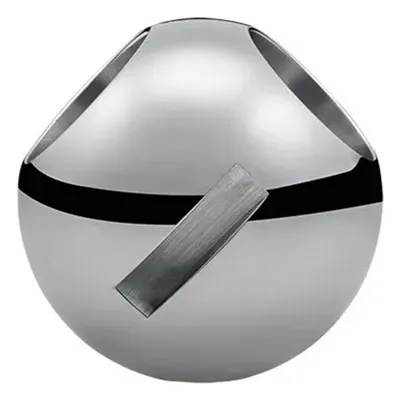
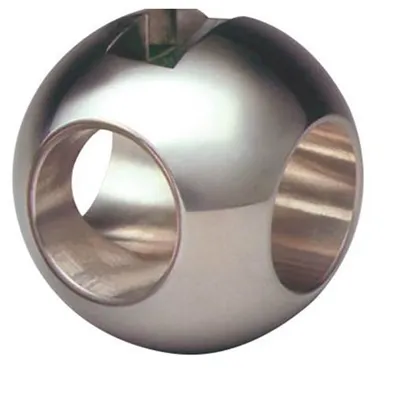
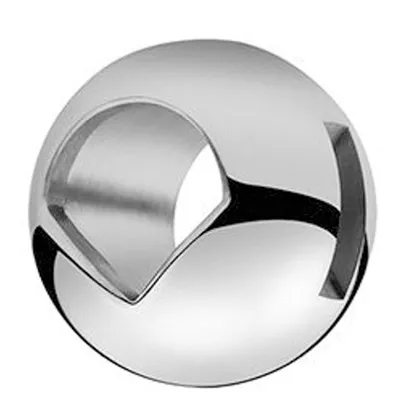
Hey there! As a valve body supplier, I've seen my fair share of issues in high - flow systems. High - flow systems are designed to move large volumes of fluid quickly, and the valve body plays a crucial role in controlling this flow. But, like any component, it can run into a bunch of potential problems. Let's dive into some of them.
Wear and Tear
One of the most common problems with valve bodies in high - flow systems is wear and tear. When fluid moves at high speeds through the valve body, it can cause abrasion on the internal surfaces. The constant flow of fluid, especially if it contains particles or debris, can gradually erode the valve body. This wear can lead to a decrease in the valve's performance. For example, if the valve is supposed to control the flow precisely, the worn surfaces may cause leakage. You might end up with a situation where the valve doesn't close properly, and fluid continues to flow even when it's supposed to be shut off.
The Valve Body is made of different materials, and some are more resistant to wear than others. For instance, stainless steel is often a good choice because it's relatively hard and can withstand the abrasive forces better than softer metals. However, even stainless steel isn't immune to wear over time, especially in extremely high - flow situations.
Cavitation
Cavitation is another big problem in high - flow systems. When the fluid velocity increases in the valve body, the pressure can drop significantly. If the pressure drops below the vapor pressure of the fluid, vapor bubbles form. These bubbles then collapse when they move to a region of higher pressure. The collapse of these bubbles creates shockwaves that can damage the valve body.
The damage from cavitation can be quite severe. It can cause pitting on the valve surfaces, which not only affects the appearance but also the functionality of the valve. Over time, the pitting can lead to larger holes and cracks in the valve body. This not only reduces the lifespan of the valve but can also cause leaks and other performance issues. To prevent cavitation, proper valve sizing and design are crucial. The valve needs to be able to handle the high - flow conditions without causing excessive pressure drops.
Corrosion
Corrosion is a major concern, especially in high - flow systems where the fluid may be corrosive. If the valve body is made of a material that isn't resistant to the fluid, it can start to corrode. Corrosion can weaken the valve body, making it more prone to failure. It can also cause the valve to stick or not operate smoothly.
For example, if the fluid is acidic, a valve body made of a metal that isn't acid - resistant will start to corrode. The corrosion products can build up inside the valve, blocking the flow passages and affecting the valve's performance. To combat corrosion, you can choose a valve body made of a corrosion - resistant material, such as a special alloy or coated with a protective layer.
Improper Sealing
The Valve Seat is an important part of the valve body, and improper sealing can be a significant problem. In high - flow systems, the pressure and flow can put a lot of stress on the valve seat. If the valve seat isn't properly installed or maintained, it can lead to leaks.
A leaky valve seat can cause a loss of fluid, which can be a safety hazard in some applications. It can also lead to a decrease in the efficiency of the system. For example, if the valve is supposed to control the flow of a high - pressure fluid, a leaky seat can cause the pressure to drop, affecting the overall performance of the system. To ensure proper sealing, the valve seat needs to be inspected regularly and replaced if necessary.
Flow - Induced Vibration
High - flow systems can generate a lot of vibration. The rapid movement of fluid through the valve body can cause the valve to vibrate. This vibration can be a problem for several reasons. First, it can cause fatigue in the valve body. Over time, the constant vibration can lead to cracks in the valve body, which can eventually cause it to fail.
Second, the vibration can affect the valve's performance. It can cause the valve to open or close at the wrong time, leading to inconsistent flow control. To reduce flow - induced vibration, you can use dampers or other vibration - reducing devices. You can also design the valve body to be more resistant to vibration.
Contamination
Contamination in the fluid can also cause problems for the valve body. If the fluid contains dirt, debris, or other particles, these can get stuck in the valve body. This can block the flow passages, causing the valve to malfunction.
For example, a small piece of debris can get lodged in the valve seat, preventing it from sealing properly. Contamination can also cause abrasion and wear on the valve surfaces. To prevent contamination, it's important to have proper filtration in the system. You should also regularly clean and maintain the valve body to remove any accumulated debris.
Compatibility Issues
Sometimes, the valve body may not be compatible with the fluid or the system it's installed in. For example, if the valve body is made of a material that reacts with the fluid, it can cause problems. This could lead to corrosion, as mentioned earlier, or other chemical reactions that can damage the valve.
Also, the valve body needs to be compatible with the other components in the system. If it doesn't fit properly or if the flow characteristics don't match, it can cause performance issues. When selecting a valve body, it's important to consider the fluid properties, the system requirements, and the overall compatibility.
Over - Pressure Situations
In high - flow systems, there's always a risk of over - pressure situations. If the pressure in the system exceeds the design limits of the valve body, it can cause serious damage. The valve body may rupture or fail, leading to a loss of fluid and potentially dangerous situations.
To prevent over - pressure, you can install pressure relief valves in the system. These valves are designed to open when the pressure reaches a certain level, allowing the excess fluid to escape and protecting the valve body and the rest of the system.


Maintenance and Service
Lack of proper maintenance and service can also lead to problems with the valve body. If the valve isn't inspected regularly, small issues can turn into big problems. For example, a small leak or a minor wear issue may not seem like a big deal at first, but if left untreated, it can lead to a complete failure of the valve.
Regular maintenance should include cleaning, lubrication, and inspection of the valve body and its components. You should also replace any worn or damaged parts as soon as possible.
If you're facing any of these problems with your high - flow system's valve body, or if you're in the market for a new valve body, don't hesitate to reach out. As a trusted valve body supplier, we have the expertise and the products to meet your needs. Whether you need a valve body that's resistant to wear, corrosion, or cavitation, we've got you covered. Contact us to start a discussion about your requirements and let's find the perfect solution for your high - flow system.
References
- Fluid Mechanics Handbook
- Valve Technology and Applications Manual