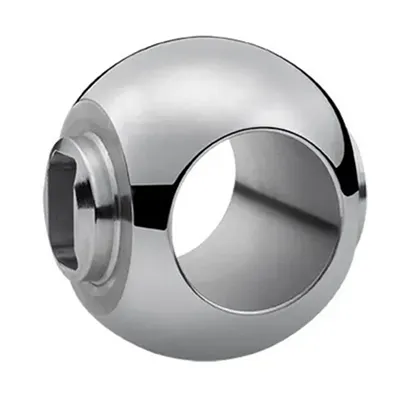
Yo, folks! As a valve body supplier, I've seen my fair share of valve body failures. It's a real headache for everyone involved, from the end-users to us suppliers. So, I thought I'd share some tips on how to prevent these pesky failures.
First off, let's talk about what a valve body is. If you're not familiar, you can check out Valve Body. It's a crucial part of a valve system, controlling the flow of fluids or gases. When it fails, it can lead to all sorts of problems, like leaks, reduced efficiency, and even system shutdowns.
Regular Maintenance
One of the most important things you can do to prevent valve body failures is regular maintenance. Just like you take your car in for an oil change, your valve bodies need some TLC too.
- Inspection: Regularly inspect the valve body for any signs of wear and tear. Look for cracks, corrosion, or any other damage. If you notice anything suspicious, it's better to address it right away. For example, if you see a small crack in the valve body, it might seem insignificant at first, but it could lead to a major leak down the road.
- Cleaning: Keep the valve body clean. Dirt, debris, and other contaminants can build up over time and cause problems. Use a suitable cleaning solution to remove any buildup. Make sure to follow the manufacturer's instructions when cleaning.
- Lubrication: Proper lubrication is key. It helps reduce friction and wear on the moving parts of the valve body. Use the right type of lubricant for your specific valve body. Check the lubrication levels regularly and top them up as needed.
Proper Installation
Another critical factor in preventing valve body failures is proper installation. A poorly installed valve body is more likely to fail.
- Follow the Manual: Always follow the manufacturer's installation instructions. They know their product best, and following their guidelines will ensure that the valve body is installed correctly.
- Use the Right Tools: Make sure you have the right tools for the job. Using the wrong tools can damage the valve body during installation.
- Check for Alignment: Ensure that the valve body is properly aligned. Misalignment can cause stress on the valve body and lead to premature failure.
Quality Components
Using high-quality components is essential for preventing valve body failures. Cheaper, low-quality parts may save you some money upfront, but they can end up costing you more in the long run.
- Valve Seat: The Valve Seat is an important part of the valve body. A good quality valve seat will provide a tight seal and prevent leaks. Make sure to choose a valve seat that is compatible with your valve body.
- Other Components: Don't skimp on other components like gaskets, O-rings, and seals. These small parts can make a big difference in the performance and longevity of your valve body.
Operating Conditions
The operating conditions of the valve body can also have a significant impact on its lifespan.
- Temperature and Pressure: Make sure the valve body is designed to handle the temperature and pressure conditions of your application. If the valve body is exposed to extreme temperatures or pressures that it's not rated for, it can fail.
- Fluid Compatibility: Ensure that the fluid or gas flowing through the valve body is compatible with the materials of the valve body. Some fluids can cause corrosion or other damage to the valve body.
Training and Education
Proper training and education for the people who operate and maintain the valve bodies are crucial.


- Operator Training: Make sure the operators know how to use the valve bodies correctly. They should be aware of the operating limits and procedures.
- Maintenance Training: The maintenance staff should be trained on how to perform regular maintenance and inspections. They should also know how to troubleshoot common problems.
Monitoring and Analytics
Implementing a monitoring and analytics system can help you detect potential problems before they turn into major failures.
- Sensor Technology: Use sensors to monitor the performance of the valve body. Sensors can measure things like temperature, pressure, and flow rate. If there are any abnormal readings, it could be a sign of a problem.
- Data Analysis: Analyze the data collected from the sensors to identify trends and patterns. This can help you predict when a valve body might fail and take preventive action.
Spare Parts Management
Having a proper spare parts management system in place can also help prevent valve body failures.
- Inventory: Keep an inventory of essential spare parts for your valve bodies. This way, if a part fails, you can quickly replace it and minimize downtime.
- Quality Control: Make sure the spare parts you purchase are of high quality. Poor-quality spare parts can cause more problems than they solve.
In conclusion, preventing valve body failures requires a combination of regular maintenance, proper installation, high-quality components, attention to operating conditions, training, monitoring, and spare parts management. By following these tips, you can significantly reduce the risk of valve body failures and keep your valve systems running smoothly.
If you're in the market for high-quality valve bodies or need more information on preventing valve body failures, feel free to reach out. We're here to help you find the right solutions for your needs.
References
- Industry best practices in valve body maintenance
- Manufacturer's guidelines for valve body installation and operation
- Research on the impact of operating conditions on valve body performance