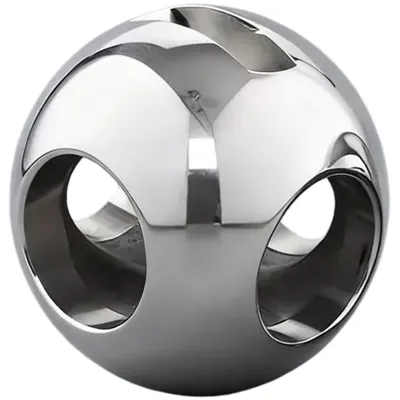
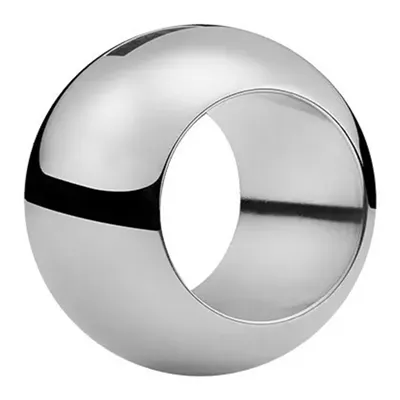
A valve ball carries the full pressure of the medium and maintains sealing contact on every cycle, so it wears faster than almost any other component in a ball valve. Yet in most plants, valve balls are replaced - not maintained - and the replacement is triggered by a leak rather than a schedule. For industrial buyers and valve manufacturers, understanding how to maintain and extend valve ball service life turns an unpredictable maintenance cost into a managed one. This guide covers the six practical steps that keep industrial valve balls in service longer, from storage and installation through inspection and reconditioning.
Contents
- Step 1: Store and Handle Balls Correctly Before Installation
- Step 2: Install with the Right Seating and Torque
- Step 3: Operate Within the Design Envelope
- Step 4: Inspect Surface Condition on a Fixed Schedule
- Step 5: Recondition or Replace Based on Measured Wear
- Step 6: Record Data to Shorten the Next Cycle
- Maintenance Interval Reference
- Frequently Asked Questions
Step 1: Store and Handle Balls Correctly Before Installation
A precision valve ball can be damaged before it ever sees service. Balls are ground and polished to roundness within 0.0025 mm and surface roughness as low as Ra 0.05 micrometers, and a single impact or careless storage can introduce a flat spot or scratch that becomes a leak path. Spare balls should be kept in their protective packaging, separated from each other, and stored away from moisture, vibration, and heavy objects that could fall on them.
Material matters here too. Stainless steel and duplex balls are resistant to atmospheric corrosion, but carbon and low-alloy steel balls are typically protected with oil or VCI film and must not be allowed to rust in storage. Before installation, wipe the ball with a clean, lint-free cloth and inspect it under good light for handling marks. Never set a polished ball directly on a bare metal bench - use a soft pad or the original cradle.
Step 2: Install with the Right Seating and Torque
Most premature valve ball failures trace back to installation. The ball must be seated concentrically with the seat, the stem slot must engage the stem without backlash, and the seat preload must be set to the manufacturer's specification. An over-torqued seat compresses the sealing element beyond its elastic range and increases operating torque, while an under-torqued seat allows the ball to float and vibrate, causing fretting wear on the sealing surface.
For trunnion mounted balls, confirm that the upper and lower bearings are correctly seated and that the ball rotates freely through its full 90-degree travel before the actuator is coupled. For floating balls, check that the ball can move axially to seat under pressure but returns freely when pressure is removed. Any binding at this stage will show up as accelerated wear within the first few thousand cycles.
Step 3: Operate Within the Design Envelope
Valve balls wear fastest when operated outside the conditions they were specified for. Three operating factors drive most of the wear: pressure differential, cycling frequency, and medium cleanliness. A ball rated for a 200-cycle-per-year isolation duty will wear rapidly if used for throttling at 20 cycles per hour, because every partial rotation drags the sealing surface across the seat under load.
Throttling is the single most damaging practice for a standard ball valve. The ball is designed to be fully open or fully closed; using it as a control element exposes the sealing surface to high-velocity flow and erosion. Where flow control is required, specify a V-port or segmented ball designed for throttling, or install a separate control valve upstream. Equally important is keeping the medium clean: abrasive particles such as sand or scale act as lapping compound between the ball and seat and will destroy a polished surface in weeks.
Step 4: Inspect Surface Condition on a Fixed Schedule
Reactive maintenance - waiting for a leak - is the most expensive way to manage valve balls. A fixed inspection schedule catches wear while the ball is still serviceable. The inspection itself is straightforward: isolate and drain the valve, remove the ball, clean it, and examine the sealing band under magnification.
Look for four specific conditions. Scratches and scoring in the sealing band indicate abrasive particles in the medium. Pitting points to a corrosion problem, often a sign that the material grade is marginal for the media. Discoloration or coating loss suggests the surface treatment has worn through and the base material is now exposed. Out-of-round measurement, checked with a micrometer at several points around the ball, confirms geometric wear. Recording these findings against operating hours builds a wear trend that predicts remaining life.
Step 5: Recondition or Replace Based on Measured Wear
Not every worn ball needs to be scrapped. Where wear is limited to the sealing band and the ball remains within roundness tolerance, a valve ball manufacturer can often re-grind and re-polish the sphere, restoring surface finish and geometry at a fraction of the cost of a new component. Reconditioning is most economical for large-diameter and high-value balls in special materials such as duplex, super duplex, and nickel alloys.
Replacement is the right choice when wear has exceeded the re-grind allowance - typically when the diameter has been reduced beyond the minimum specified for the seat, or when the wear pattern is irregular and cannot be corrected by uniform material removal. Coating loss on a hard chrome or tungsten carbide surface usually also means replacement, since re-coating a ball that is already out of round will not restore sealing performance. The decision should always be based on measured dimensions, not visual impression.
Step 6: Record Data to Shorten the Next Cycle
The final step is the one most plants skip: documentation. For each valve ball, record the installation date, operating cycle count, media and temperature, inspection findings, and the action taken. Over two or three maintenance cycles, this data reveals which valves wear fastest and why.
Patterns matter more than individual records. If three balls in the same pipeline all show pitting after six months, the material grade is wrong for the fluid. If a single ball wears out while its neighbors do not, the problem is local - a partially closed valve downstream, a misaligned pipe, or an actuator that is not achieving full stroke. Feed these findings back to the valve ball supplier so that the next order specifies the right material, coating, and precision level for the actual service conditions.
Maintenance Interval Reference
The table below gives indicative inspection intervals by service severity. Intervals should be tightened where the medium is abrasive or the cycling rate is high.
| Service Severity | Typical Conditions | Suggested Inspection Interval |
|---|---|---|
| Light | Clean water, infrequent cycling, ambient temperature | 24-36 months |
| Moderate | General industrial fluids, routine cycling | 12-18 months |
| Severe | Oil & gas, chemical media, high pressure | 6-12 months |
| Extreme | Abrasive slurry, cryogenic LNG, frequent cycling | 3-6 months |
Frequently Asked Questions
How often should industrial valve balls be inspected?
Inspection frequency depends on service severity. Light duty valves in clean water may run 24-36 months between inspections, while severe service in oil and gas, chemical media, or abrasive slurry warrants inspection every 3-12 months. High cycling rates and abrasive media should always push the interval shorter.
Can a worn valve ball be repaired instead of replaced?
Yes, if wear is limited to the sealing band and the ball remains within roundness tolerance. Reconditioning by re-grinding and re-polishing restores geometry and surface finish at a fraction of the cost of a new ball, and is most economical for large-diameter or special-material balls. Balls worn beyond the re-grind allowance, or with irregular wear, must be replaced.
Why do valve balls fail faster when used for throttling?
A standard ball valve is designed for on/off isolation with the ball fully open or fully closed. Using it to throttle exposes the sealing surface to high-velocity flow and erosion, and every partial rotation drags the ball across the seat under load. Where flow control is needed, a V-port or segmented ball designed for throttling, or a dedicated control valve, should be used instead.
What is the single biggest cause of premature valve ball wear?
Contamination of the medium is the most common cause. Abrasive particles such as sand, scale, or weld slag act as lapping compound between the ball and seat, destroying a polished surface far faster than normal cycling. Correct installation torque, filtration upstream, and periodic inspection together address the majority of premature wear cases.
Need Valve Balls Specified for Long Service Life?
As highlighted in this guide, valve ball life is decided by material grade, precision, and surface treatment - all of which must match the real service conditions. Zhejiang Jigong Valve Co., Ltd. manufactures precision valve balls in a 4,000 m² facility with 200+ pieces of production and inspection equipment and a team of over 70 engineers and technicians. Capabilities include floating and trunnion valve balls with CNC tolerance of 0.001 mm, materials from -196°C to 500°C, ISO 9001 certified quality management, and hard chrome, ENP, and tungsten carbide surface treatments suited to abrasive and corrosive service.
Whether you need standard production supply, application-specific engineering support, or custom valve balls for oil and gas, LNG, chemical, power, or water treatment projects, our team is available to discuss your requirements and provide a detailed quotation.
Request a Quote