Valve stem balls are crucial components in various valve systems, and their usage offers a multitude of advantages across different industries. As a dedicated valve stem ball supplier, I have witnessed firsthand how these small yet powerful parts enhance the performance and functionality of valves. In this blog post, I will delve into the numerous benefits of using a valve stem ball and explore why it is an essential choice for many applications.
1. Precise Flow Control
One of the primary advantages of using a valve stem ball is its ability to provide precise flow control. The spherical shape of the ball allows for smooth and accurate regulation of fluid or gas flow through the valve. By rotating the ball, the opening in the valve can be adjusted to control the amount of media passing through. This level of precision is particularly important in industries where accurate flow rates are critical, such as chemical processing, oil and gas, and water treatment.
For example, in a chemical plant, precise flow control is necessary to ensure the correct mixing of chemicals and to prevent over - or under - dosing. A valve stem ball can be adjusted to maintain a consistent flow rate, which helps in achieving the desired chemical reactions and product quality.
2. Excellent Sealing Performance
Valve stem balls offer excellent sealing capabilities. When the ball is in the closed position, it forms a tight seal against the valve seat, preventing any leakage of the fluid or gas. This is due to the spherical shape of the ball, which provides a large contact area with the seat, ensuring a reliable seal.
In high - pressure applications, such as in oil pipelines, a good seal is essential to prevent leaks that could lead to environmental hazards and significant financial losses. Valve stem balls are designed to withstand high pressures and maintain a tight seal, even under extreme conditions.
3. Durability and Longevity
Valve stem balls are typically made from high - quality materials such as stainless steel, carbon steel, or ceramic. These materials are chosen for their strength, corrosion resistance, and wear resistance. As a result, valve stem balls can withstand harsh operating environments, including high temperatures, high pressures, and corrosive substances.
For instance, in the marine industry, where valves are exposed to saltwater, a valve stem ball made of stainless steel can resist corrosion and last for a long time. This durability reduces the need for frequent replacements, saving both time and money in the long run.
4. Low Friction and Smooth Operation
The spherical design of the valve stem ball reduces friction between the ball and the valve seat. This low friction allows for smooth operation of the valve, requiring less force to open and close. As a result, the valve can be operated more easily, and the wear and tear on the valve components are minimized.
In automated valve systems, smooth operation is crucial for efficient control. A valve stem ball with low friction ensures that the valve can be opened and closed quickly and accurately, enhancing the overall performance of the system.
5. Versatility
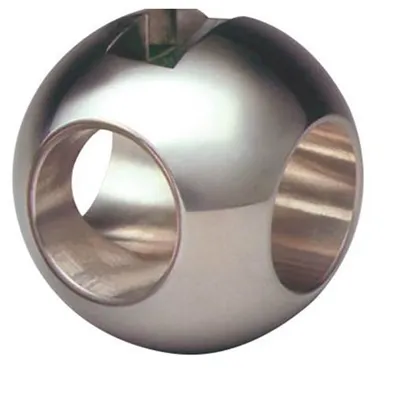
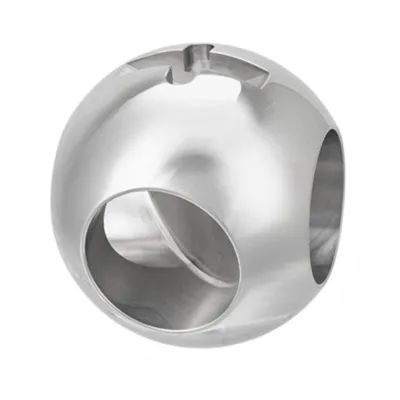
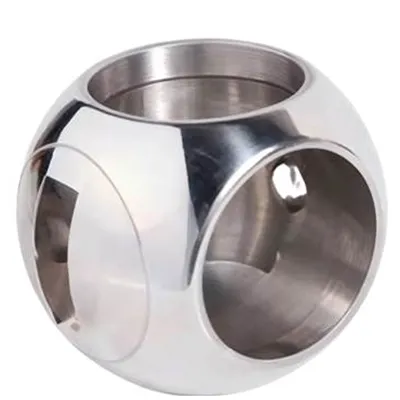
Valve stem balls come in a variety of types and configurations to suit different applications. There are Floating Valve Ball, which are designed to float freely in the valve body and provide a tight seal under pressure. Fixed Valve Ball are held in place by a shaft and are suitable for high - pressure applications. Hollow Valve Ball are lighter in weight and can be used in applications where weight is a concern. Four - way Valve Ball and Three - way Valve Ball allow for more complex flow control, such as diverting the flow in different directions.
This versatility makes valve stem balls suitable for a wide range of industries, including automotive, aerospace, and food and beverage. For example, in the food and beverage industry, a valve stem ball can be used to control the flow of liquids and gases in processing equipment, ensuring hygienic and efficient operation.
6. Cost - Effectiveness
Considering their durability, long - term performance, and versatility, valve stem balls are a cost - effective solution for many applications. Although the initial cost of a high - quality valve stem ball may be higher than some other valve components, the reduced need for maintenance and replacement over time offsets the initial investment.


In addition, the precise flow control provided by valve stem balls can lead to cost savings in terms of energy consumption and product quality. For example, in a heating system, accurate flow control can reduce energy waste and lower operating costs.
7. Ease of Installation and Maintenance
Valve stem balls are relatively easy to install and maintain. They can be easily integrated into existing valve systems, and their simple design makes them accessible for inspection and repair. In most cases, basic tools are sufficient for installation and maintenance, which reduces the need for specialized technicians.
This ease of installation and maintenance is particularly beneficial for industries where downtime needs to be minimized. For example, in a manufacturing plant, quick installation and maintenance of valve stem balls can ensure that the production process is not interrupted for long periods.
Contact for Purchase and Consultation
If you are in need of high - quality valve stem balls for your applications, I invite you to reach out to me. As a trusted valve stem ball supplier, I can provide you with detailed information about our products, including specifications, materials, and pricing. We can also offer customized solutions to meet your specific requirements. Whether you are working on a small - scale project or a large - scale industrial application, our valve stem balls are designed to deliver reliable performance and long - term value.
References
- Smith, J. (2018). Valve Technology Handbook. New York: Industrial Press.
- Johnson, A. (2020). Principles of Fluid Flow Control. London: Elsevier.
- Brown, C. (2019). Valves and Actuators in the Oil and Gas Industry. Houston: Gulf Publishing.