

Selecting the appropriate valve ball material is essential for achieving reliable sealing performance, long service life, and stable operation in industrial valve systems. Different operating environments expose valve balls to varying levels of pressure, temperature, corrosion, and wear, making material selection one of the most important engineering decisions for valve manufacturers and end users alike.
From standard water treatment systems to offshore platforms, LNG terminals, chemical processing plants, and high-pressure oil & gas pipelines, each application requires materials with specific mechanical properties and corrosion resistance. Understanding the characteristics of different valve ball materials helps improve valve reliability while reducing maintenance costs and unexpected downtime.
Contents
Why Valve Ball Material Selection Matters
Valve balls serve as the primary sealing component inside ball valves, directly influencing flow control performance and operational safety. Their material properties determine how well the valve withstands corrosion, abrasion, high pressure, elevated temperatures, and continuous opening and closing cycles throughout its service life.
Selecting the wrong material may result in premature wear, leakage, surface damage, or costly production downtime. Conversely, choosing the appropriate alloy improves valve reliability while extending maintenance intervals and reducing lifecycle costs.
- Corrosion resistance
- Mechanical strength
- Operating temperature
- Pressure rating
- Compatibility with process media
- Manufacturing cost and service life
Stainless Steel Valve Balls
Stainless steel remains the most widely used material for industrial valve balls due to its excellent balance between corrosion resistance, machinability, strength, and cost. Grades such as 304, 316, and 316L are commonly selected for general industrial applications where reliable performance and long-term durability are required.

Among stainless steel grades, 316 stainless steel is particularly popular because its molybdenum content provides improved resistance against chlorides and chemical corrosion. It is widely used in water treatment systems, chemical plants, food processing equipment, and general industrial ball valves.
Key Benefits
- Excellent corrosion resistance
- Good machining performance
- Cost-effective for general applications
- Reliable sealing performance
- Suitable for medium-pressure systems
316 stainless steel generally offers better corrosion resistance than 304, making it the preferred choice for industrial valves exposed to chloride-containing media or marine environments.
Duplex & Super Duplex Valve Balls
For demanding industrial environments where standard stainless steel may not provide sufficient corrosion resistance or mechanical strength, Duplex and Super Duplex stainless steels offer an excellent alternative. Their unique dual-phase microstructure combines high strength with exceptional resistance to pitting, crevice corrosion, and stress corrosion cracking.

Materials such as Duplex 2205 and Super Duplex 2507 are frequently specified for offshore platforms, subsea valves, desalination facilities, and high-pressure pipeline systems where reliability is critical under aggressive operating conditions.
Key Benefits
- Outstanding corrosion resistance
- Higher mechanical strength
- Excellent resistance to seawater
- Longer service life in harsh environments
- Reduced maintenance requirements
Although Duplex materials have a higher initial cost than conventional stainless steel, their superior corrosion resistance and extended operating life often result in lower overall lifecycle costs for critical valve applications.
High-Performance Nickel Alloy Valve Balls
When ball valves operate under extremely corrosive media, elevated temperatures, or severe pressure conditions, conventional stainless steel may no longer provide sufficient performance. Nickel-based alloys offer superior corrosion resistance, excellent mechanical stability, and long-term reliability for the most demanding industrial applications.
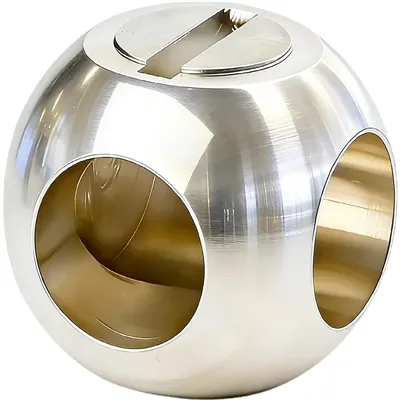
Materials including Inconel 625, Monel 400, and Hastelloy C276 are widely selected for aggressive chemical processing, LNG facilities, offshore production equipment, and power generation systems where corrosion resistance and temperature stability are essential.
Key Benefits
- Exceptional corrosion resistance
- Excellent high-temperature performance
- Superior oxidation resistance
- Outstanding durability in aggressive media
- Long service life under severe operating conditions
Nickel alloy valve balls are generally reserved for applications where maximum corrosion resistance and operational reliability outweigh material cost considerations.
Surface Treatments for Enhanced Valve Ball Performance
Material selection is only one part of valve ball performance. Advanced surface treatments can significantly improve wear resistance, hardness, corrosion protection, and sealing performance without changing the base material. Many industrial valve manufacturers combine stainless steel or alloy valve balls with specialized coatings to extend service life under demanding operating conditions.
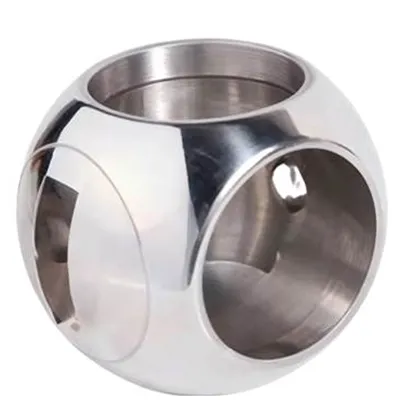
Common surface treatments include Electroless Nickel Plating (ENP), Hard Chrome Plating, Tungsten Carbide HVOF coating, and Stellite overlay. The appropriate treatment depends on operating media, abrasion level, and service requirements.
Common Surface Options
- Electroless Nickel Plating (ENP)
- Hard Chrome Plating
- Tungsten Carbide HVOF
- Stellite Overlay
- Custom engineered coatings
Selecting an appropriate coating together with the correct base material often provides the best balance between performance, durability, and overall project cost.
Valve Ball Material Comparison
The following comparison provides a general overview of the most commonly used valve ball materials and their typical performance characteristics. Actual material selection should always consider operating pressure, temperature, media compatibility, and project specifications.
| Material | Corrosion Resistance | Strength | Typical Applications |
|---|---|---|---|
| 304 Stainless Steel | Good | Medium | General industrial valves |
| 316 Stainless Steel | Excellent | High | Chemical, marine, water treatment |
| Duplex 2205 | Outstanding | Very High | Offshore & pipeline systems |
| Inconel 625 | Exceptional | Excellent | LNG & high-temperature service |
Frequently Asked Questions
Which valve ball material is most commonly used?
316 stainless steel is one of the most popular materials because it offers an excellent balance of corrosion resistance, mechanical strength, machinability, and cost for a wide range of industrial valve applications.
When should Duplex valve balls be selected?
Duplex and Super Duplex materials are recommended for offshore platforms, seawater systems, high-pressure pipelines, and other environments where superior corrosion resistance and mechanical strength are required.
Are nickel alloy valve balls necessary for every project?
No. Nickel alloys are generally selected for severe service applications involving aggressive chemicals, extremely high temperatures, or highly corrosive operating media where conventional stainless steels may not perform adequately.
Can surface treatments improve valve ball performance?
Yes. Surface treatments such as ENP, Hard Chrome, HVOF Tungsten Carbide, and Stellite overlay significantly improve hardness, wear resistance, corrosion protection, and overall valve service life.
Need Help Selecting the Right Valve Ball Material?
Every valve application presents unique challenges, from corrosive chemicals and seawater exposure to high-pressure pipelines and cryogenic environments. Selecting the appropriate valve ball material and surface treatment can significantly improve equipment reliability, reduce maintenance costs, and extend operational life.
Our engineering team works closely with OEM valve manufacturers, industrial distributors, and project contractors to recommend suitable materials based on pressure ratings, operating media, temperature requirements, and industry standards. Whether you require stainless steel, Duplex, nickel alloys, or customized surface treatments, we provide precision-manufactured valve balls designed for long-term performance.
Request Material Consultation


