The material chosen for a valve ball directly determines its corrosion resistance, mechanical strength, temperature capability, and service life. In industrial flow-control applications, selecting the right valve ball material is one of the most critical decisions for ensuring long-term reliability and performance. This guide explores the top valve ball materials used across industries, their key properties, typical applications, and practical selection considerations for industrial buyers.
Contents
Why Valve Ball Material Matters
The valve ball is the core sealing component inside a ball valve. Its material must withstand the combined effects of internal fluid pressure, temperature cycling, corrosive media, and repeated mechanical operation. A mismatch between material selection and operating conditions can lead to corrosion, leakage, dimensional instability, and premature failure.
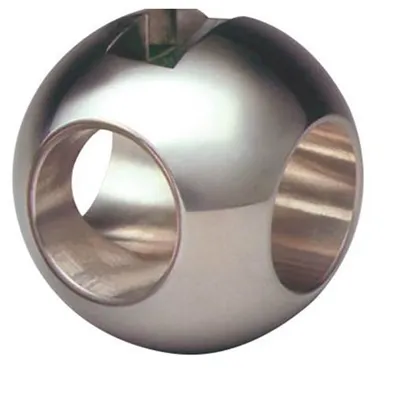
Carbon Steel
Carbon steel is one of the most widely used valve ball materials for general industrial applications. It offers good mechanical strength and machinability at an economical price point, making it suitable for a broad range of flow-control requirements.
| Grade | Key Characteristics | Typical Applications |
|---|---|---|
| ASTM A105 | Forged carbon steel, good strength | Oil & gas pipelines, general industrial |
| ASTM A350 LF2 | Low-temperature carbon steel | Cryogenic and low-temperature services |
| 4140 / 42CrMo | Alloy steel, high strength | High-pressure hydraulic systems |
Carbon steel valve balls are commonly used with surface treatments such as hard chrome plating or electroless nickel plating to improve corrosion resistance when operating in mildly corrosive environments.
Stainless Steel
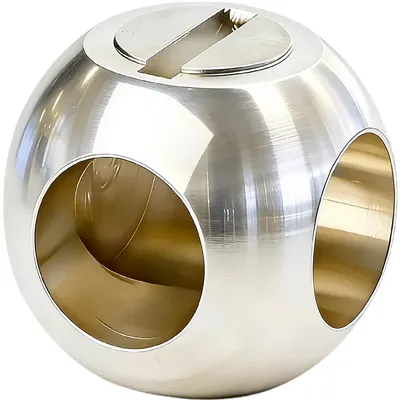
Stainless steel is the most popular material for valve balls across industrial applications. It combines good corrosion resistance, mechanical strength, and excellent machinability, making it suitable for a wide range of process industries.
Duplex & Super Duplex Stainless Steel
Duplex stainless steels combine the advantages of both ferritic and austenitic stainless steels, offering higher strength and superior corrosion resistance compared to standard austenitic grades. These materials are increasingly used in challenging industrial environments.
| Grade | Key Characteristics | Typical Applications |
|---|---|---|
| Duplex 2205 | High strength, excellent corrosion resistance, stress corrosion cracking resistance | Oil & gas, offshore platforms, chemical tankers |
| Super Duplex 2507 | Highest corrosion resistance in the duplex family, premium alloy content | Seawater systems, aggressive chemical processing, hot chloride environments |
Duplex valve balls are typically more expensive than standard stainless steel grades but offer significantly longer service life in corrosive and high-stress applications, making them cost-effective choices for critical projects.
Nickel-Based Alloys
Nickel-based alloys represent the premium tier of valve ball materials, offering exceptional corrosion resistance, high-temperature stability, and mechanical strength. These alloys are specified for the most demanding industrial applications where standard materials cannot perform reliably.
Common Nickel-Based Alloy Materials
| Alloy | Key Properties | Applications |
|---|---|---|
| Inconel 625 | High-temperature strength, excellent oxidation and corrosion resistance | Power generation, gas turbines, high-temperature process systems |
| Inconel 718 | Age-hardenable, high strength at elevated temperatures | Aerospace, gas turbine engines, high-pressure systems |
| Monel 400 | Excellent resistance to hydrofluoric acid and seawater | Marine engineering, HF acid processing, saltwater systems |
| Hastelloy C276 | Superior resistance to a wide range of corrosive chemicals | Chemical processing, pharmaceutical, pulp and paper |
Nickel-based alloy valve balls are significantly more expensive than stainless steel alternatives, but they are indispensable in applications where corrosive media, extreme temperatures, or high pressures would cause standard materials to fail prematurely.
Copper & Brass Alloys
Copper and brass alloys offer excellent machinability, good corrosion resistance in specific environments, and antimicrobial properties. While not suitable for high-pressure or high-temperature applications, they serve well in specialized industries.
| Material | Key Characteristics | Typical Applications |
|---|---|---|
| C36000 Brass | Excellent machinability, good corrosion resistance | Plumbing, water distribution, low-pressure systems |
| C36500 Lead-Free Brass | Lead-free for potable water applications | Drinking water systems, food and beverage |
| Copper UNS C11000 | Excellent electrical and thermal conductivity | Cryogenic systems, heat exchangers |
Titanium & Specialty Alloys
Titanium and other specialty alloys are specified for highly specialized applications where the combination of light weight, high strength, and exceptional corrosion resistance is required.
| Material | Key Characteristics | Typical Applications |
|---|---|---|
| Titanium Gr. 2 | Excellent corrosion resistance, light weight, good biocompatibility | Marine, chemical processing, medical equipment |
| Titanium Gr. 5 (TC4) | High strength titanium alloy, heat treatable | Aerospace, high-performance industrial applications |
| Alloy 20 | Nickel-iron-chromium, excellent sulfuric acid resistance | Chemical processing, sulfuric acid service |
| Haynes 282 | Advanced nickel-based superalloy | Ultra-high-temperature applications, aerospace |
Material Comparison Table
The following table provides a quick reference for comparing the key performance characteristics of common valve ball material families.
| Material Family | Corrosion Resistance | Temperature Range | Relative Cost | Common Industries |
|---|---|---|---|---|
| Carbon Steel | Low (with coating) | -40°C to 425°C | Baseline | Oil & Gas, General Industrial |
| Stainless Steel 304/316 | Good to Excellent | -196°C to 600°C | 2x – 3x | Chemical, Marine, Pharmaceutical |
| Duplex 2205 | Excellent | -40°C to 300°C | 4x – 6x | Offshore, Petrochemical |
| Super Duplex 2507 | Superior | -40°C to 300°C | 6x – 10x | Seawater, Aggressive Chemicals |
| Nickel Alloys | Exceptional | -253°C to 1000°C+ | 10x – 30x+ | Power Generation, Aerospace, Chemical |
| Copper & Brass | Moderate | -50°C to 260°C | 2x – 4x | Plumbing, Water, Food & Beverage |
| Titanium | Excellent | -253°C to 600°C | 8x – 15x | Marine, Medical, Aerospace |
How to Select the Right Valve Ball Material
Material selection should follow a systematic approach that balances performance requirements with cost considerations. The following framework helps industrial buyers evaluate valve ball materials methodically.
Conclusion
Selecting the right valve ball material is a critical decision that affects valve performance, reliability, and total cost of ownership across the product lifecycle. Carbon steel offers an economical solution for general applications, while stainless steel provides the versatility needed across a broad range of industries. Duplex and super duplex grades step up to the challenges of corrosive and high-stress environments, and nickel-based alloys deliver the ultimate performance for extreme operating conditions.
By systematically evaluating operating conditions, media compatibility, mechanical requirements, and supply chain considerations, industrial buyers can choose the optimal valve ball material for each application. When in doubt, consulting with an experienced valve ball manufacturer can help refine material selection and avoid costly material mismatches.
Need Technical Advice for Your Valve Ball Project?
Every application has different requirements for material selection, pressure rating, sealing performance, machining accuracy and surface treatment.
If you are evaluating a new project or comparing manufacturing options, discussing your technical requirements with an experienced engineering team can help reduce design risks and improve product reliability before production begins.
Discuss Your ProjectFrequently Asked Questions
What is the most common valve ball material?
Stainless steel, particularly SS316 and SS316L, is the most widely used valve ball material across industrial applications. Its combination of good corrosion resistance, mechanical strength, machinability, and competitive pricing makes it the default choice for chemical processing, marine, pharmaceutical, and general industrial flow-control systems.
How do I determine the right material for corrosive applications?
Start by identifying the specific corrosive media (acids, bases, solvents, salts) and their concentration levels. Cross-reference these with material compatibility charts. For mildly corrosive environments, SS316 or Duplex 2205 may be sufficient. For highly corrosive media such as concentrated sulfuric acid or hydrofluoric acid, consider Hastelloy C276 or Monel 400. Always consult with your valve ball manufacturer about specific media compatibility.
Are nickel-based alloys always the best choice for high-temperature applications?
Not necessarily. While nickel-based alloys like Inconel 625 offer excellent high-temperature performance, stainless steel grades like SS321 can handle temperatures up to 600°C at a fraction of the cost. The optimal material depends on the specific temperature range, the corrosive environment, and the required service life. For temperatures above 600°C or in highly corrosive high-temperature environments, nickel-based alloys become the practical choice.
Do I need a coating if I select a corrosion-resistant material?
In many cases, a high-grade material such as SS316 or Duplex 2205 provides sufficient corrosion resistance without additional coating. However, coatings like ENP or hard chrome plating can improve surface hardness, reduce friction, and extend service life in applications with high cyclic operation or abrasive media. The decision should be based on the combination of material, operating conditions, and expected service life.